

10 Houseplants Joanna Gaines Loves Using For A Fixer Upper-Inspired Home
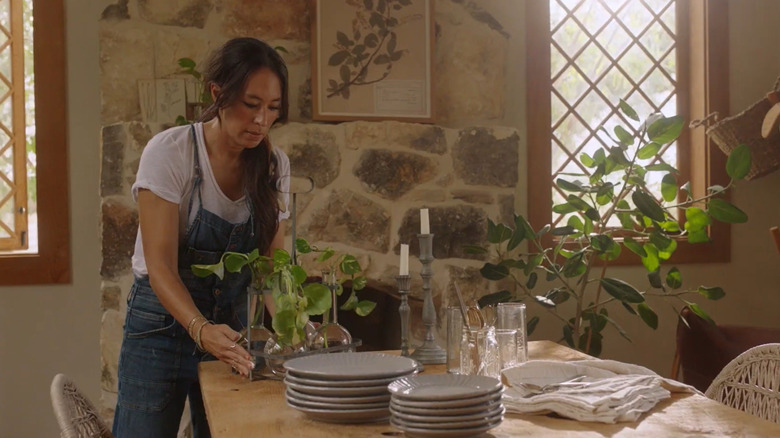
Magnolia brand founder and designer Joanna Gaines makes no secret of her love of houseplants. She adds tons of greenery both to her own home and to her Magnolia offices as well. The former host of the HGTV show "Fixer Upper" is self-professed "plant lady." We've compiled a list of her favorite indoor plants that might help give your home an inspired "Fixer Upper" vibe.
One reason Gaines likes houseplants so much is that they're an easy and relatively low-cost investment when it comes to home decor. The key is to pick the ones that work best for your space. When choosing houseplants, you should also double-check the lighting needs of each plant, making sure to put shade-averse plants near bright, sunny windows. While there are certain houseplants you can grow without a lot of natural light – others, like Swiss cheese plants, prefer sun.
Light isn't the only consideration, either. Gaines says you also should take stock of the real estate inside you may actually have for plants. Even potted plants need room to grow. Do you have space on windowsills or shelves? Then maybe you want to buy a string of bananas plant, whose unique, crescent-shaped leaves can cascade downward. Maybe you have more floorspace that would be better suited for a taller plant that sits on the ground, like another one of her favorites, an olive tree. Keep on reading for her top 10 picks.
Fiddle-leaf fig plant or tree can brighten your home
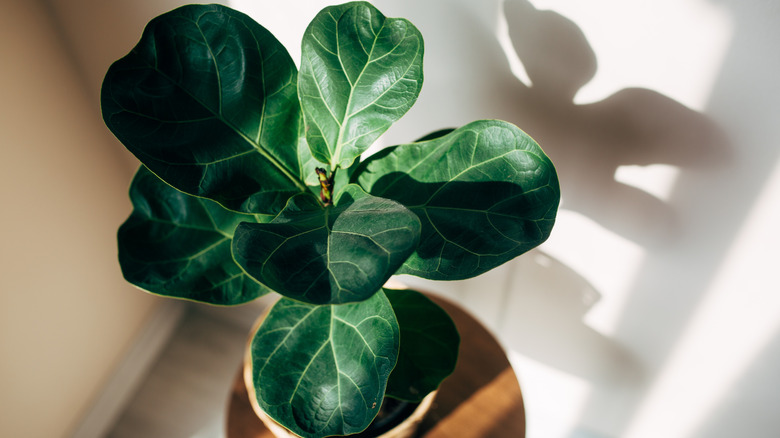
It's no surprise that the fiddle-leaf fig tree (Ficus lyrata) tops her list of best indoor plants. Gaines owns a large fiddle-leaf tree she's nicknamed "Norm", which gets banished to the utility room during the holidays so she has room to put up her Christmas tree. Gaines says this broadleaf evergreen can make a statement most anywhere in the house. Just make sure it's got a lot of indirect light, preferably by a north-facing window.
Gaines swears by the low-maintenance snake plant
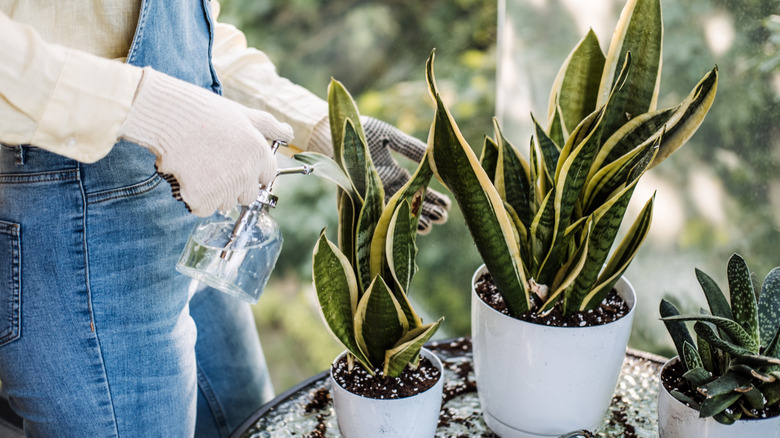
Snake plants (Dracaena trifasciata) bring broad, upright evergreen leaves that can enhance most any space. This relative of asparagus needs little attention, which can be a plus if you get busy and occasionally forget to water this plant. In fact, during the winter season, Gaines suggests watering this plant just once a month. It's one way to keep your snake plant healthy all winter. Snake plants also don't mind low light, so if you don't have room on your windowsill for this one, don't worry.
Add the unique succulent string of bananas to your home
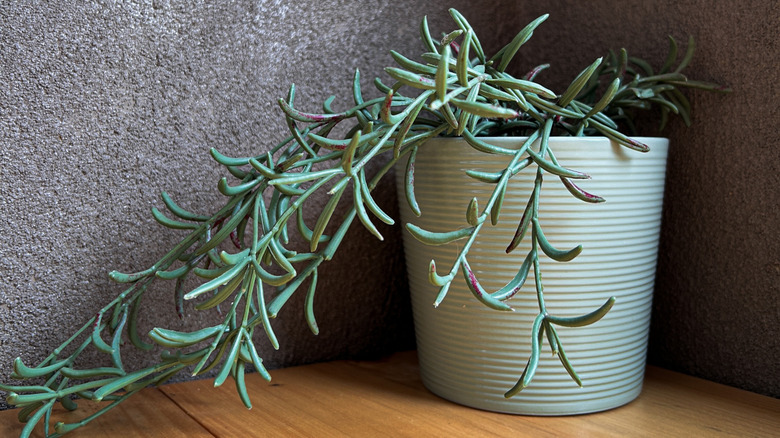
For a modern look, Gaines suggests the string of bananas (Curio radicans) plant. This trailing succulent's thick banana-shaped, green foliage doesn't mind low light. Just make sure not to go overboard with watering. It likes well-draining soil that's coarse or sandy. Try string of bananas in a hanging basket or placed on a high shelf where its foliage can spill out and trail downward.
Gaines loves the simplicity of the olive tree
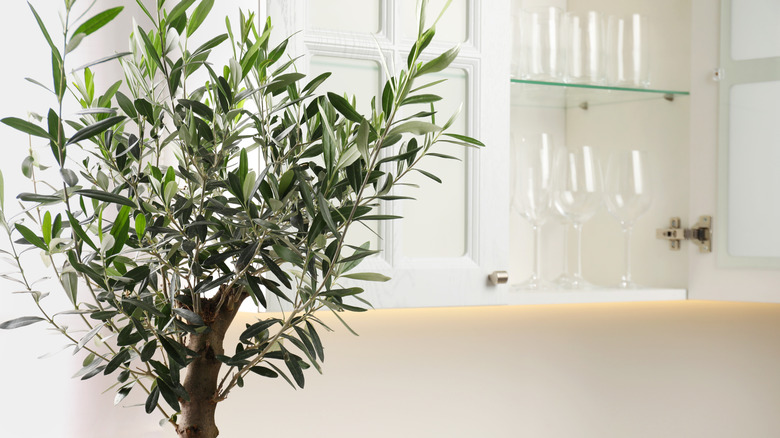
Gaines says she loves the simplicity of the olive tree (Olea europaea), which comes up again and again as one of her favorite container plants. She warns that these plants can be sensitive, so it might be best not to move them around too much, especially if you've found a sunny spot they like. Olive trees don't mind dry soil once they're mature, but they still need to be watered regularly – probably once a week. The best strategy for any plant is consistent care.
Hoya will be the low-maintenance plant you need right now
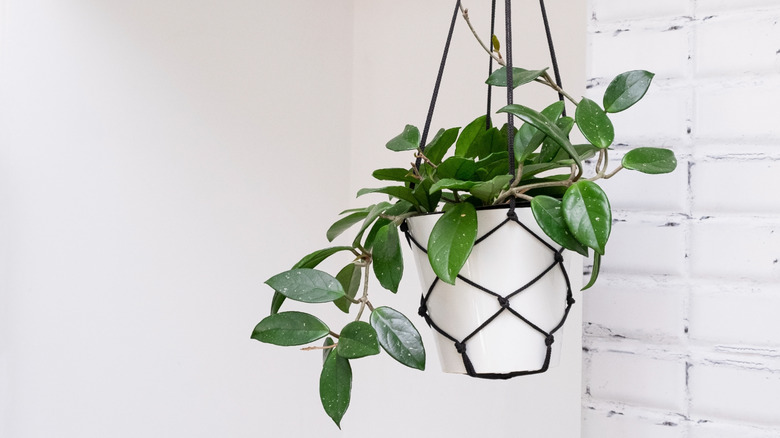
Hoyas, also known as wax plants, can be an indoor gardener's dream. Gaines recommends the houseplant for its low-maintenance, no-fuss attitude and the pretty clusters of small pink flowers that will grow once it's mature. This member of the milkweed family prefers bright, but indirect light. Hoya carnosa is the traditional variety, but if you want twisty, rope-shaped vines, try 'Crispa' or 'Regalis'. For sweet, heart-shaped leaves, pick Hoya kerrii.
Swiss cheese plant will brighten any space
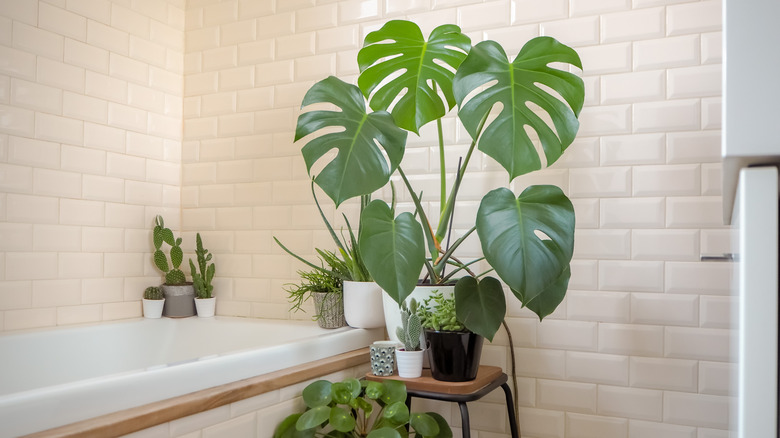
The big-leafed Swiss cheese plant (Monstera deliciosa) will make a bold statement in any room, though Gaines suggests tucking this beauty near a window in your bathroom, since this tropical plant loves light and humidity. It's no wonder, since it's native to the rainforests of Mexico. These plants can grow leaves that are 18 inches long. If you're limited on indoor space and want a variety that grows slightly smaller leaves, try the cultivars 'Albovariegata' or 'Variegata'.
Go for cascading green with variegated vinca major
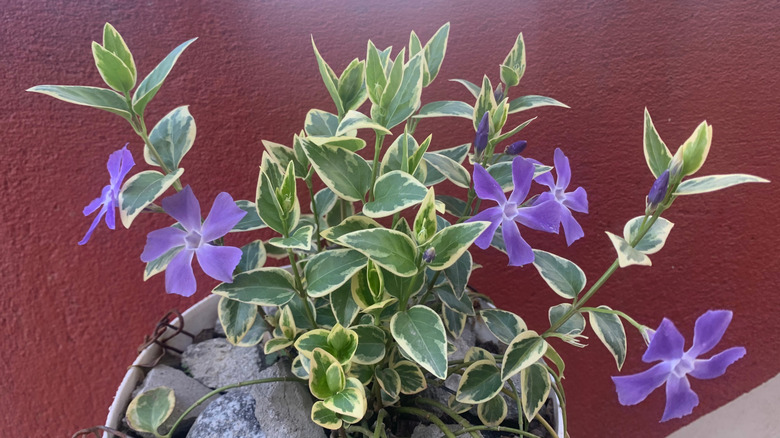
Variegated vinca major can sometimes be an invasive groundcover when planted outside in certain states, but indoors, it's one of Gaines' favorite plants. It will also grow blue or violet flowers in spring or summer. This plant likes well-draining soil and doesn't like to be overwatered, only water it when the top 2 inches of soil feel dry.
Staghorn fern has a special place in Gaines' heart
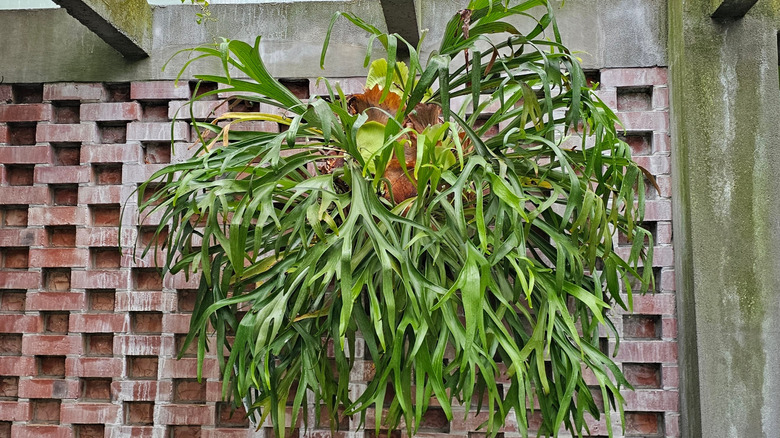
Gaines loves the staghorn fern (Platycerium bifurcatum). If you follow her on social media, you might have seen her post about "Earle," her now 30-year-old staghorn fern. The massive plant made the trip all the way from Florida to Magnolia headquarters four years ago. This common houseplant does well in shade or dappled sunlight, which makes it perfect for the darker corners of your den. Just make sure to put it in a container with holes, because it prefers well-draining soil.
Pick 'Red Congo' philodendron for its deep hues
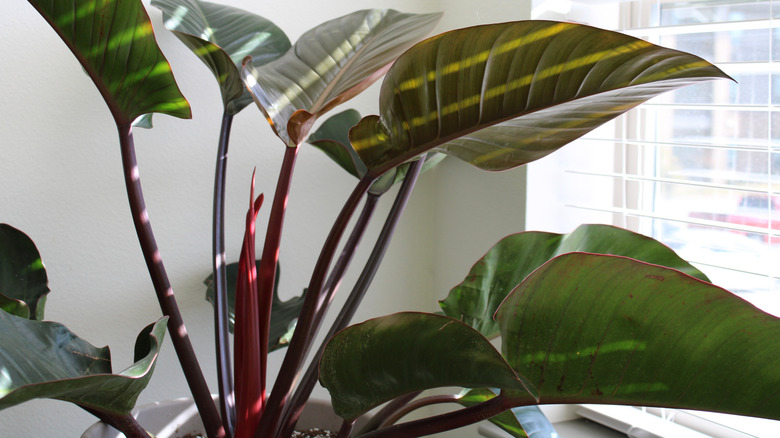
The 'Red Congo' philodendron is another plant Gaines keeps in her own home, near her fireplace. Philodendron includes more than 600 species, but 'Red Congo' is known for its vibrant reddish burgundy-tinged green fronds. It belongs to the Arum family, and is a cousin of the Swiss cheese plant. Red Congo grows upright and you can expect it to reach between 2 and 3 feet tall. It'll need lots of indirect light if you want to make sure it stays vibrant and colorful.
Rubber plant make for a versatile addition to your indoor garden
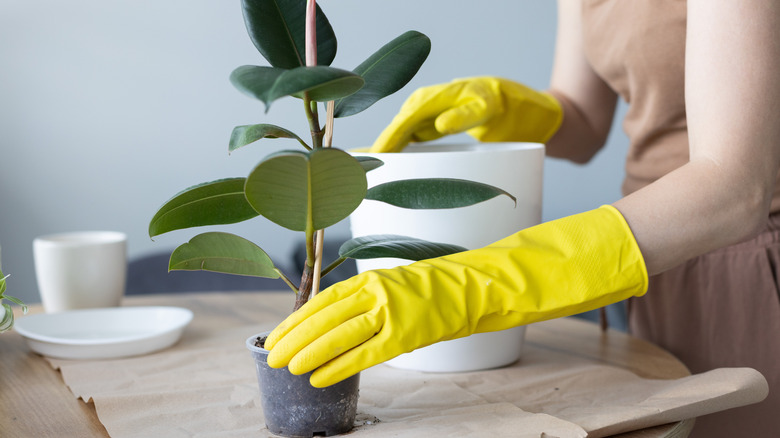
If you want to fill some vertical space indoors, grab one of Gaines' favorite space fillers, the rubber plant (Ficus elastica). Left in ideal conditions in the wild, this evergreen can grow up to 100 feet tall. Indoors, however, it can be kept between 2 and 10 feet tall. The designer likes the look of these broad, waxy leaves so much, she's even used rubber plant leaves in flower arrangements. Rubber plants don't like to be moved, so keep them in one spot, preferably away from drafty doors or windows.