

How To Winterize A Fruit Tree For Optimal Health Come Spring
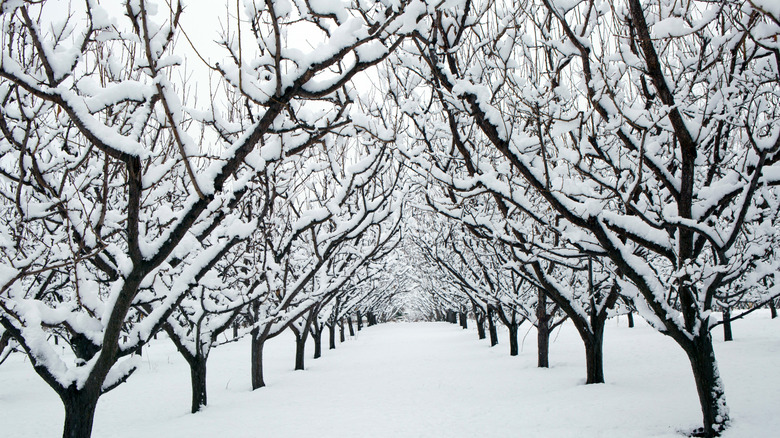
There's nothing like a fruit tree to bring your yard to life. Not only do many of them have beautiful flowers that benefit local pollinators, but they also, of course, provide you with delicious desserts and snacks. While winter can be a quiet and peaceful time in the backyard orchard, that doesn't necessarily mean that it's an easy time for your trees. Young fruit trees often have a difficult time surviving cold winters.
Of course, any fruit trees that aren't hardy for your zone should be grown in pots and moved inside well before winter weather arrives. This is an especially common practice for citrus trees grown in USDA hardiness zones 7 and lower. Growing these popular fruit trees indoors during winter protects them from the elements and allows them to add beauty to your home. But even trees grown in the ground need some help to survive winter sometimes. Luckily, as cold weather looms, there are plenty of steps you can take to help your beautiful fruit trees stay healthy through the winter.
Put down the fertilizer as winter approaches
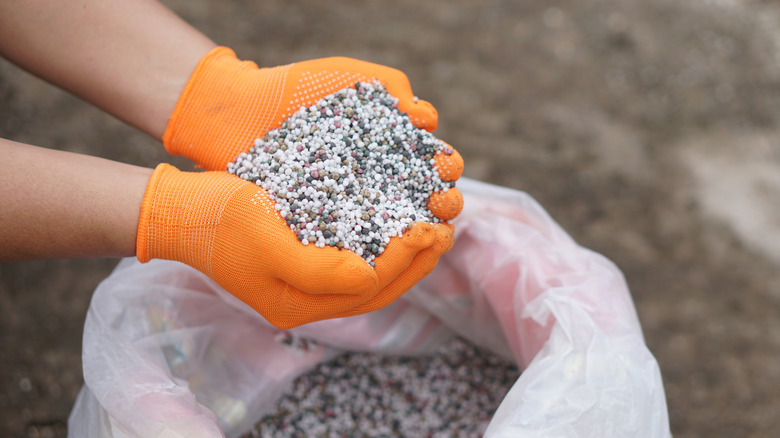
While you might think that providing your trees with some extra nutrients could be helpful as winter approaches, fertilizing at this time can actually have the opposite effect and be harmful. Adding fertilizer in the fall can encourage the fruit trees to put on new growth, which could be too tender to survive the winter. Many fruit trees don't need to be fertilized at all as long as they are growing well, but if you do opt to use fertilizer, make sure it's only in spring or early summer.
Take the time to clean up your orchard and your trees
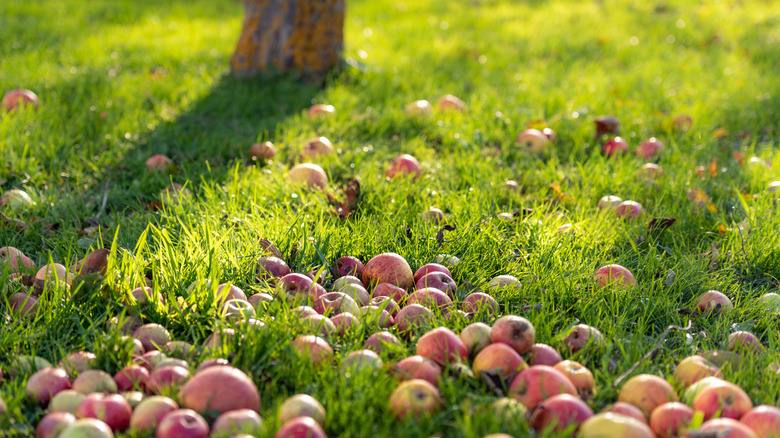
Rotting fruit can attract pests, so rake or pick up any spoiled fruits that have dropped to the ground around your tree. In the case of apple trees, you should also rake up the leaves, as they can otherwise provide an opportunity for fungal diseases to survive the winter. This will likely cause problems for your trees in spring. You can always use these fall leaves to make compost or leaf mold.
Protect your fruit tree from rabbits and other wildlife
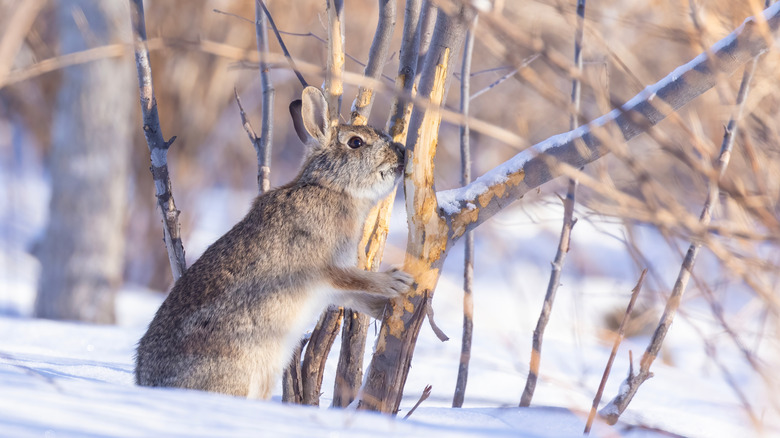
Rodents like voles and rabbits often nibble the bark of fruit trees, especially young ones. This can be a particular issue in snowy winters, where little other food is available. While this may not seem like a major issue at first, if the rodent eats enough of the fruit tree's bark, it could hurt, or even kill, the tree. Luckily, tree guards can easily prevent this damage. A wire cage or fence going all the way around the trunk can easily prevent pesky rodents from accessing your precious fruit trees.
Paint or wrap your trees to protect them from winter sun
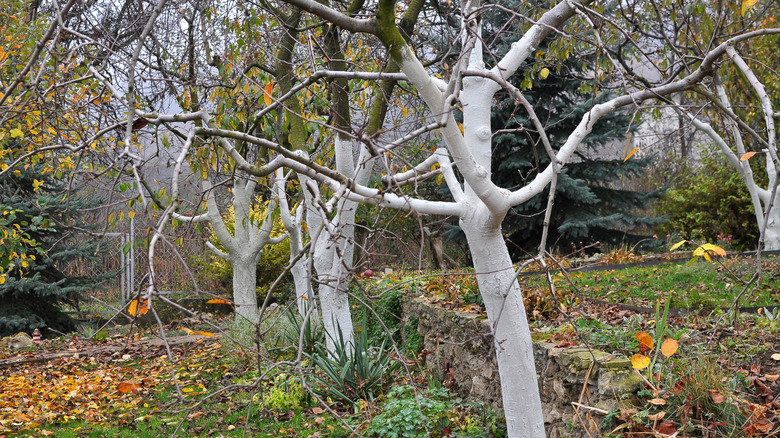
It can be easy to forget about how damaging the sun can be during the winter. Even though it's lower in the sky and the days are shorter, any direct sunlight still has the potential to damage your bare fruit trees, especially if there is a lot of snow for the sunlight to reflect off of. To protect your trees from damaging sun, you can either paint them white or another light color using a latex interior paint or wrap the trees using burlap.
Winterizing fruit trees is another great use for mulch
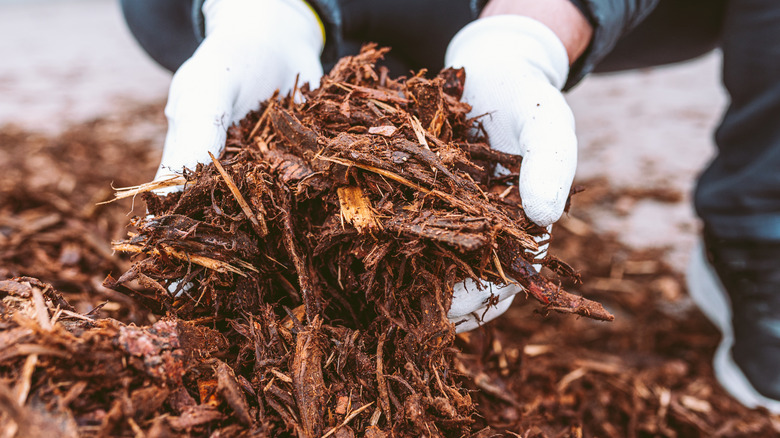
You may already be using mulch for weed control and its many other amazing benefits in the garden, but it can also be an essential part of winterizing your fruit trees. The mulch helps to keep the temperature of the soil and the tree's roots more stable. Mulch out from the tree about as far as the canopy goes (to the drip line) and avoid creating mulch volcanoes around your trees as it can be damaging for the mulch to be against the tree's bark.
Careful watering can help your fruit trees through winter
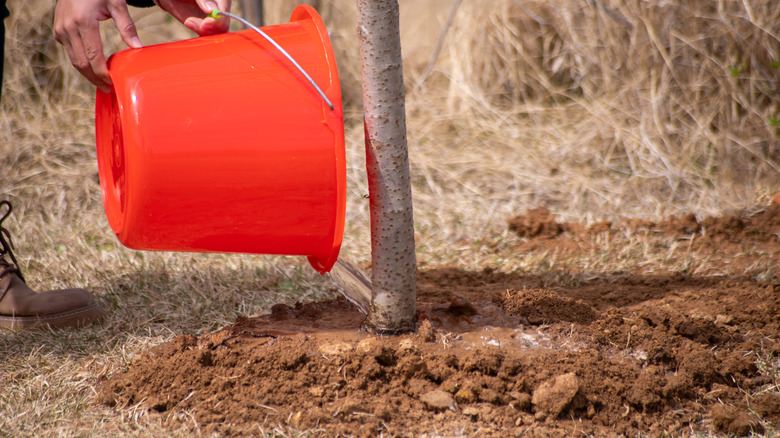
Watering usually seems like a summer chore, but that doesn't necessarily mean your trees don't need it in fall and maybe even early winter too. While you may not need to water as often once temperatures cool, make sure to water deeply. Even if your tree has lost its leaves, it may still need continued water to help prepare the roots for the winter to come. Keep watering until the ground freezes and your tree is fully dormant.
Hold off of pruning fruit trees during fall and early winter
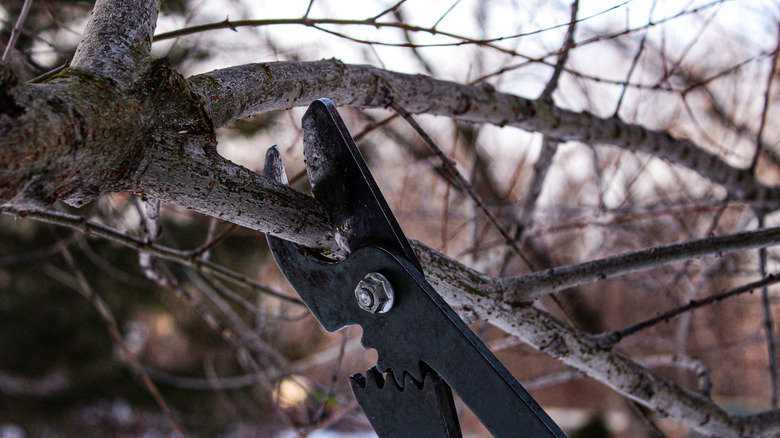
As tempting as it may be to get in with pruning shears and start cleaning up your tree as soon as the leaves have dropped, fall isn't the time for most pruning, as it can make the tree less prepared for winter. Instead, wait until late winter or early spring. Of course, branches that are damaged, dead, or diseased can and should still be removed in fall or whenever you first notice them.