

7 Ways To Amend The Soil In Winter For A Healthy Garden Next Spring

There are few things that determine the health of your garden quite like the health of your soil. Rich and fertile soil is far more likely to result in juicy fruits and veggies or stunning flowers and landscape plants. It can be challenging trying to care for your soil once your garden is already planted out, though. One way around this is to take advantage of winter — the perfect season to work in some amendments since there won't be any annual plants in your way and the perennials will be dormant. Plus, you'll be getting the soil ready before the spring growing season.
A good first step is to test your soil and check if it's missing any essential nutrients. Even if your soil doesn't have any major nutrient deficiencies, you still may want to do some work amending it to help improve drainage or fix other issues like pH. Just make sure you pay attention to the ground you're working with. Either add the amendments before the ground freezes or after it thaws for the season if you live in an especially cold area. Also, remember that mulch, while an essential addition to gardens, isn't really considered an amendment because it isn't mixed in with the soil and instead remains on the surface.
Leaf mold doesn't just amend your soil, it also cleans your yard
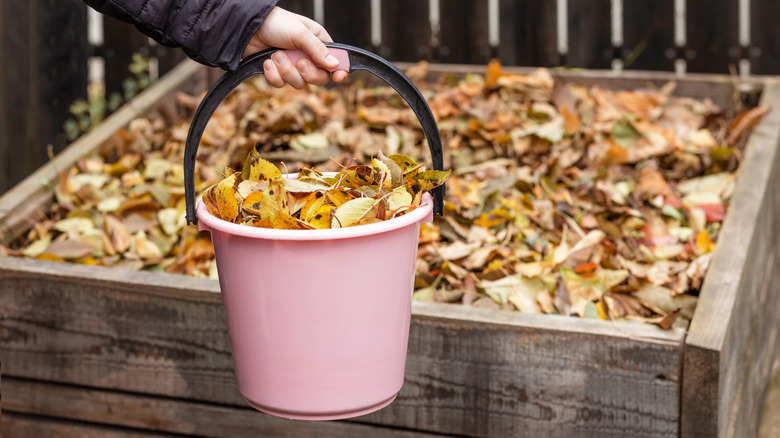
Leaf mold is a classic soil amendment made of leaves that have been broken down by fungi. These leaf remains are a perfect way to improve your soil structure. And while leaf mold can be purchased in garden centers, you can also simply use your own fall leaves to make it and create a healthier garden. Just be aware that leaf mold can take some time to make, so you may need to wait a year or two before your leaf pile transforms into an amazing amendment.
Compost can still be added after your garden is done for the season
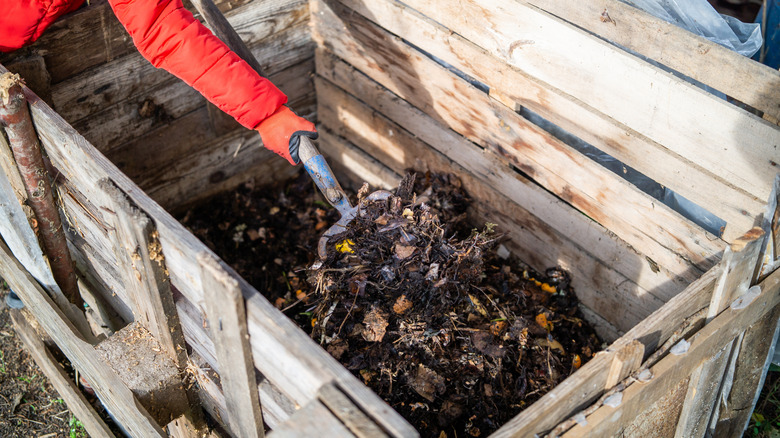
Winter can be a great time to add compost to your garden. These decomposed food scraps and plant waste add nutrients back to the soil and also help with beneficial bacteria. If you're setting up a new garden bed to use in spring, you'll likely need to add 3 or 4 inches of compost. Existing garden beds only need about an inch or less of compost, but adding this thin layer in the winter will help ensure healthy plants in spring.
Sulfur needs time to acidify the soil in your garden
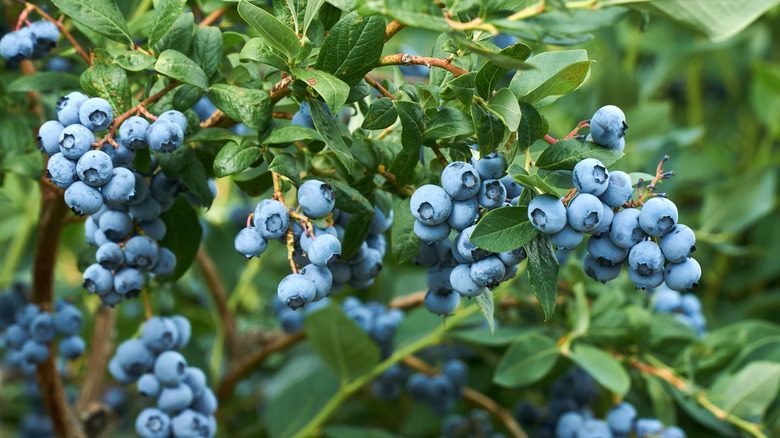
Many plants, including blueberries, hydrangeas, and azaleas, need acidic soil to flourish. One way to lower the pH of soil is by adding elemental sulfur. Unfortunately, it can take several months for sulfur to begin its work. So, in order to have happy plants in spring and summer, consider adding your sulfur during winter, as long as you live in a region where winter soil temperatures are generally above 55 degrees Fahrenheit. If the soil is too cold, the bacteria that break down the sulfur won't be active.
Worm castings provide slowly released nutrients
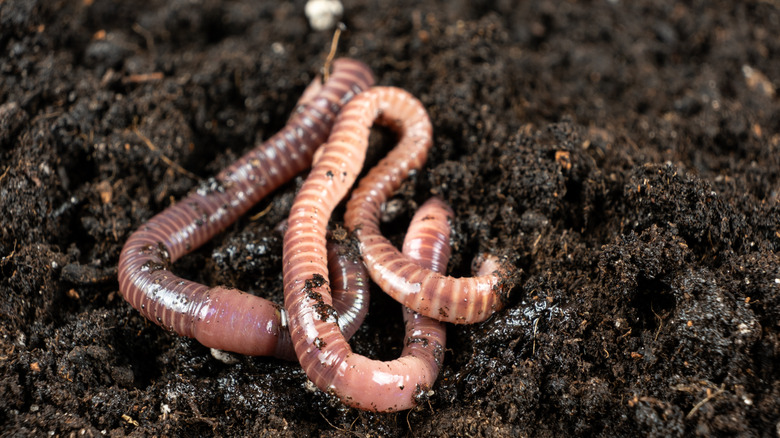
Worm castings, essentially worm manure, are fantastic amendments to add to your garden. Not only are they extremely nutrient-rich, but they're also slow to break down, acting a bit like a slow-release fertilizer. Just make sure to mix this amendment in well, as its salt content can sometimes damage plants otherwise. Even if you don't have your own worm farm, you can still purchase worm castings from garden centers. Though considering how fun and easy it is, you may be tempted to just make your own homemade worm farm bin.
Coconut coir can help your soil hold water
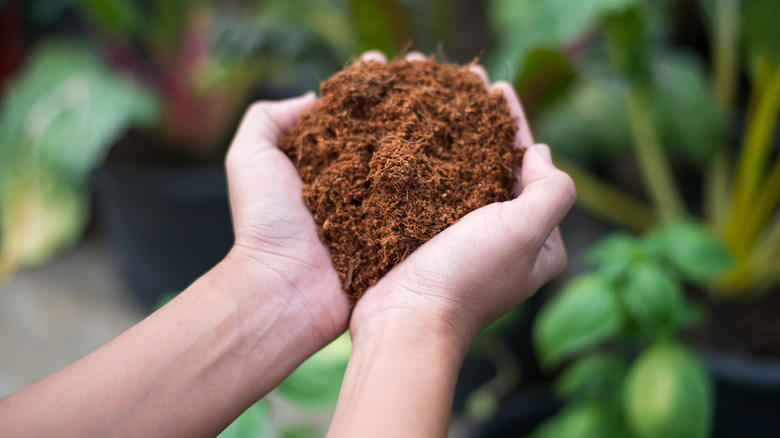
If you had sandy soil that struggled to hold water or became too compacted last season, then adding coconut coir over winter could be your answer for a better garden in spring. This outer husk of coconuts is considered a byproduct of preparing the fruits and is generally seen as more sustainable than peat moss, which has similar properties in the garden. Coconut coir is usually sold dry and then rehydrated before it is added. It doesn't contain any nutrients though, so it can't be used in place of fertilizers.
Composted manure helps to fertilize your plants
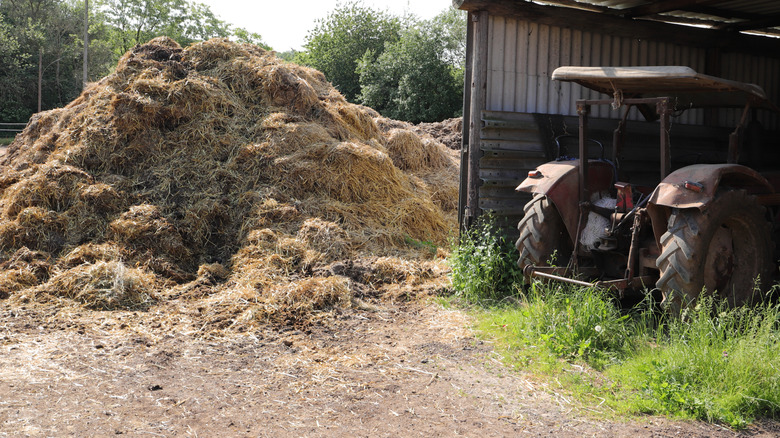
While you should never add "fresh" manure to your garden because it could contain diseases, manure that has been properly composted can be a great way to add nutrients to your garden and even improve your soil's structure. Just mix 2 or 3 inches. Winter applications are perfect, as manure should be applied before planting and at least 100 days before harvesting. Make sure to find out what, if any, herbicides the cows or horses that produced the manure may have been exposed to, as some herbicides can persist even in manure.
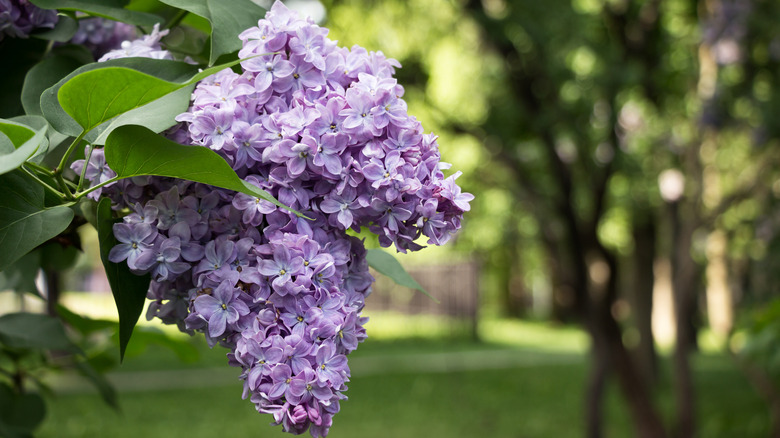
Lime can help make your soil more alkaline
Having the right pH is important for plants to be able to take up nutrients. If your soil pH test shows that your soil is too acidic for many of your favorite plants and trees to thrive, you may need to use lime to raise your soil pH and make it more alkaline. Much like with sulfur, it can take time for lime to have an impact on pH, so winter could be the ideal time to add it.