

7 Flowers You Should Be Planting In January For A Lovely Spring
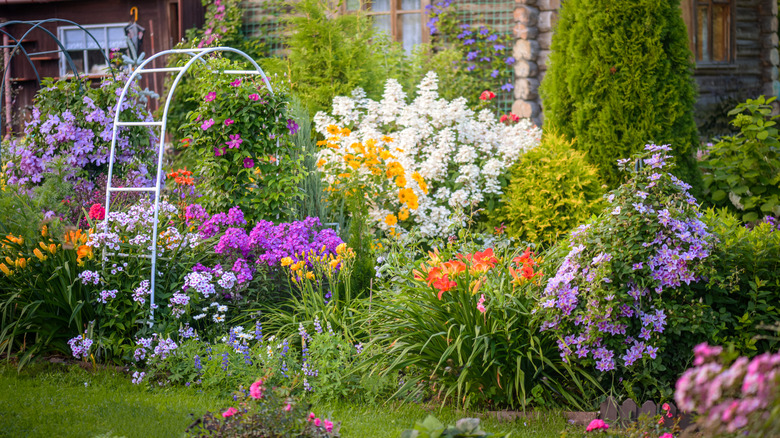
January might be one of the coldest months of the year in much of the United States, but that doesn't mean you can't start dreaming about spring and summer. And one of the best ways to put those dreams into action is by starting flower seeds for your garden. Whether you're direct sowing your seeds outdoors or starting them inside, beginning work on your flowers during winter doesn't just let you stay connected to your garden when the temperatures are low — in some cases, it can also be beneficial for your plants.
Whether it's for giving slow-growing flowers time to mature before spring or helping to stratify seeds, the long cold winter can actually be your hero in disguise where some flowers are concerned. There are a lot of different ways to start seeds and not every method is right for every plant. While some tender species may need to be started in an indoor growing station, others are perfect for scattering out in the garden. Others can still be started outside if they're protected by a greenhouse or even a homemade miniature greenhouse made out of a milk jug. Paying attention to the instructions on your seed packet and keeping the last average frost day in mind (the Old Farmer's Almanac offers a frost calendar by zip code) should help you take advantage of an early start to turn your garden into a stunning field of flowers come spring and summer.
January is the ideal time to start slow for a mature lisianthus
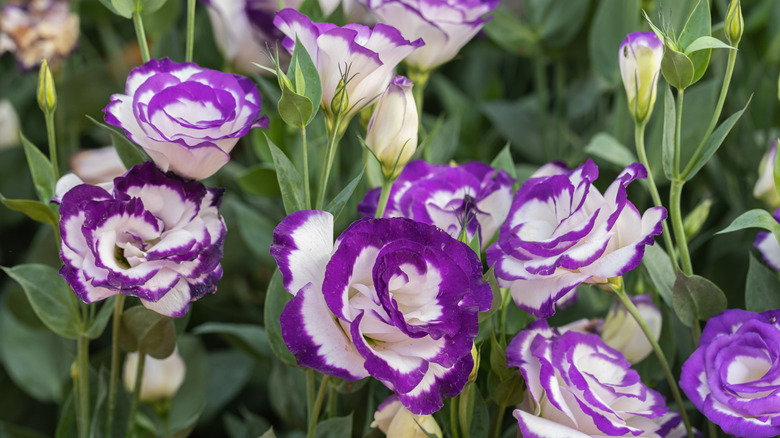
Lisianthus (Eustoma grandiflorum) are beautiful, but they're notoriously slow-growing flowers. And because they are only hardy in USDA Zones 8 through 10, much of that growing will need to happen indoors. Plan to start germinating your lisianthus about six months before you want it to flower. You'll need to provide the seeds with light, moisture, and temperatures around 70 degrees Fahrenheit for successful germination. Then, about six weeks before your last frost, you can harden the seedlings off and transplant them to the garden.
Geraniums require plenty of time to grow from seed
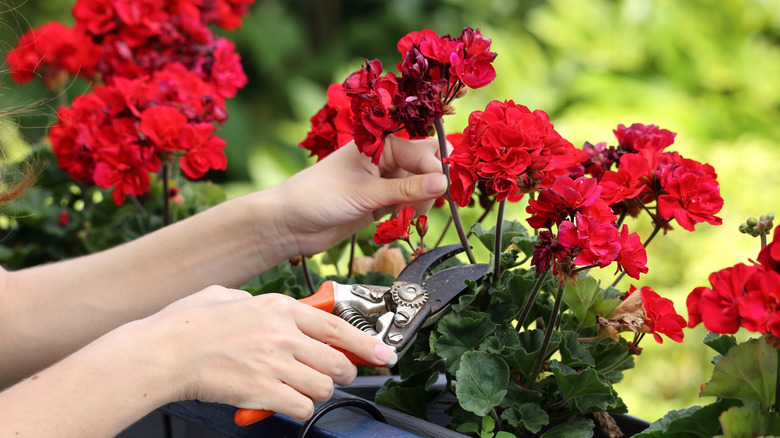
If you opt to grow your own geraniums from seed instead of buying young plants, you'll need to start around January, as it usually takes about 15 weeks before you'll be rewarded with flowers. Some people even start this plant in December since the seeds may take up to three weeks before they germinate. Make sure to provide your seedlings with plenty of light, moisture, fertilizer, and temperatures in the mid-70s Fahrenheit, and they should grow well. You can transplant your geraniums outside after your last frost.
Start preparing a gift for your local pollinators with bee balm
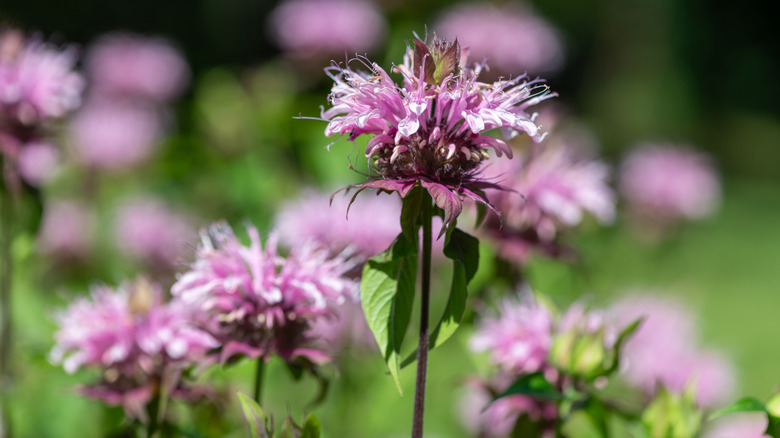
Plants that take a long time to mature aren't the only ones to consider starting in January. You can also sow seeds for native plants outdoors. Make sure to plant these in protected flower pots or milk jugs with holes in the bottom so your seeds aren't washed away. Bee balm (Monarda spp.) is a perfect plant for this method because it needs cold stratification to germinate well, meaning it needs some exposure to cold temperatures. Bee balm is even a perennial if grown in zones 4 through 9.
Coneflowers are perfect for planting outside in January
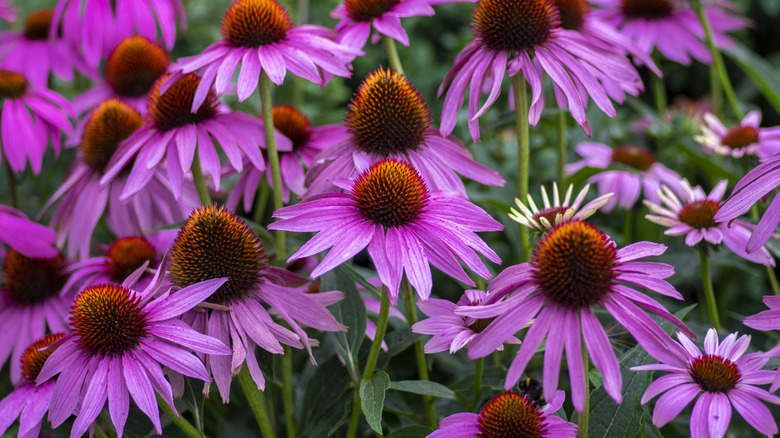
Another native seed that benefits from cold stratification is the charming purple coneflower (Echinacea purpurea). This, much like bee balm, can be sowed it pots outdoors, even in mid-winter. You don't even have to use a pot if you don't want to. Some people opt to simply sprinkle the seeds on top of the cold soil or a slight dusting of snow. As perennials, coneflowers are hardy in zones 3 through 8, making them great options for gardens in wide range of climates.
In warmer regions you can even start planting pansies
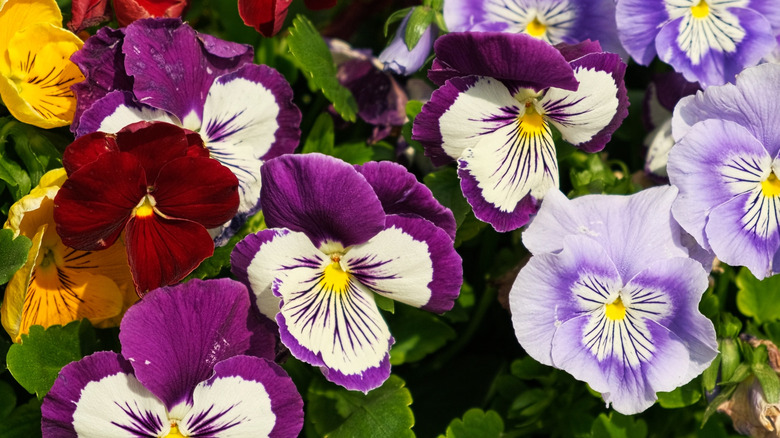
Pansies (Viola x wittrockiana) are cool-season classics. While they can thrive in soil temperatures as low as 45 degrees Fahrenheit, they generally require temperatures around 70 degrees Fahrenheit to germinate. Starting your pansies from seed indoors and then transplanting them out is a great way to ensure you'll have these flowers to brighten your spring. Plan to start them about two months before you're ready to transplant them outside. As long as you harden them off, they can be moved well before the last frost.
Stock can add a unique flower and spicy smell to your garden
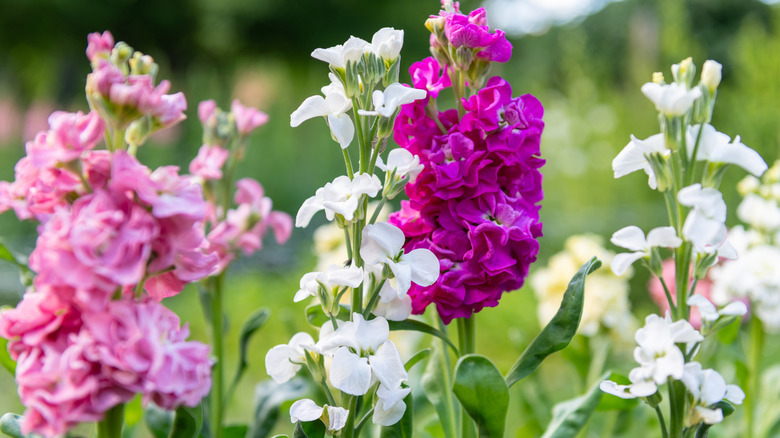
Stunning stock (Matthiola incana) is a great addition to cool spring gardens, but since it requires about 100 days to mature, you'll want to start early. The seeds germinate at temperatures around 70 degrees Fahrenheit, but the plants don't generally flower unless temperatures are in the 50s. So that makes stock a perfect flower to start inside and transplant out as soon as your temperature is warm enough. To care for your stock flowers outside, be sure to provide them with plenty of sun and well-draining soil.
Starting your own snapdragons from seed is a snap
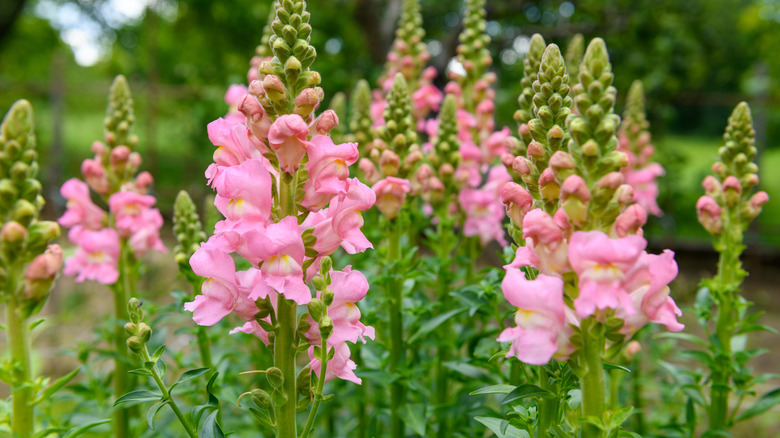
Another great flower to start inside early is the snapdragon (Antirrhinum majus). Whether you grow your snaps from seeds you purchased or snapdragon seeds you harvest yourself, the seeds need temperatures around 65 degrees Fahrenheit to germinate well and can't germinate without light. The plants can handle a little frost though, so you don't have to wait too long to transplant them outside. Another cool season classic, snapdragons can be grown all winter in some parts of the United States and are perennial in zones 5 through 7.