

7 Flowers The Old Farmer's Almanac Suggests Growing From Seed For A Gorgeous Garden
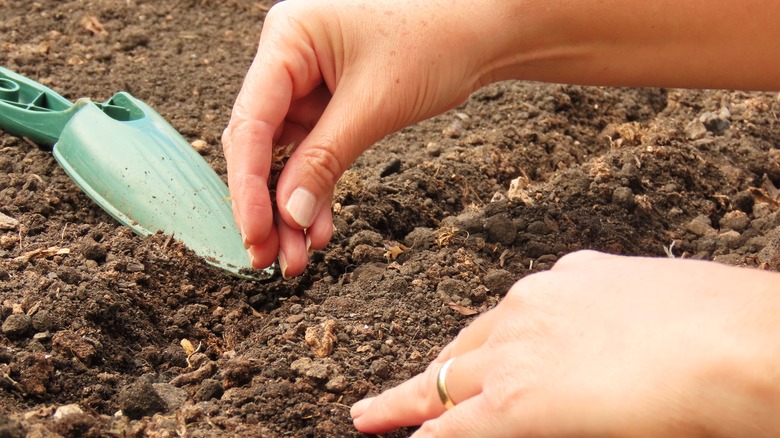
If you've been dreaming about a charming, classic flower garden but haven't really been sure how to go about planning and planting one, the Old Farmer's Almanac has your back. This long-beloved resource, which has been trusted by many gardeners since the days of George Washington, boasts an online library of free garden plans that you can peruse and implement, complete with plant lists, step-by-step instructions, and tips and tricks on how to succeed in your green endeavors. The Almanac's Cut Flower Garden Layout in particular is designed to deliver beauty both outdoors and indoors, offering a visually pleasing plan with plentiful blooms and greenery that can be cut for fresh flower bouquets all season long. Better yet, the Almanac says many of these flowers — including stunning zinnias and cosmos — are easy to grow from seed.
Some of the flowers in this cut flower garden are best directly sown, meaning the seeds are planted right in the ground outdoors. Others are better started indoors in containers or plug trays and transplanted later. Direct sowing has the benefit of being the simplest and quickest way to plant seeds, while seeds started indoors can get a head-start on the growing season. Try exploring both planting methods with some of the flowers on this list!
Mexican sunflower
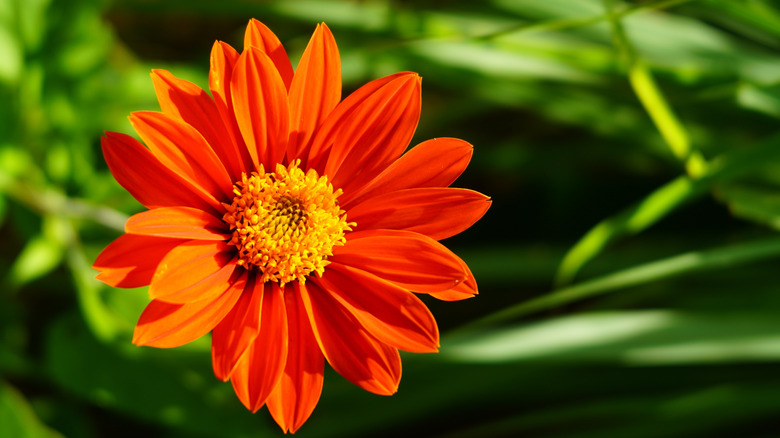
Also known as tithonia, Mexican sunflower (Tithonia rotundifolia) delivers brilliantly hued blooms on tall stems perfect for cutting and using in a cheery bouquet. This fast grower is easily grown from directly sown seeds. You can sow Mexican sunflower seeds in a sunny spot in your garden after all threat of frost has passed, or give them a head start of about six to eight weeks indoors. Best of all, for any blooms you didn't cut, you can collect the flat, triangle-shaped seeds from the spent flowers to save for next year's planting.
Yarrow
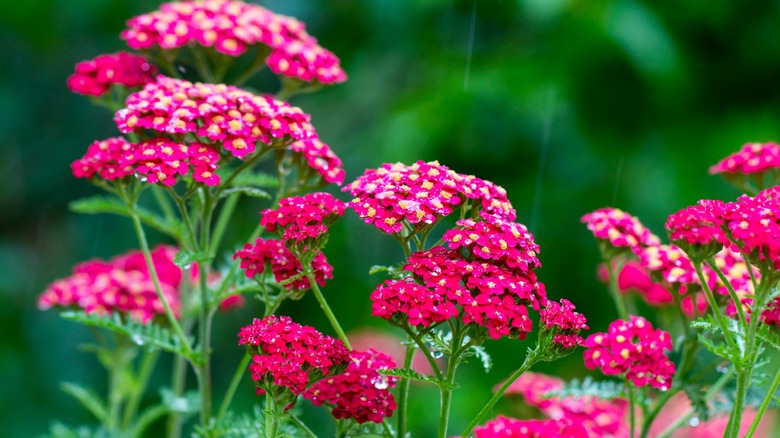
A tough yet lovely North American native, yarrow (Achillea millefolium) is best started from seed indoors rather than directly sown. Just give them about an eight to ten-week head start before the last frost! This sun-loving, drought-resistant perennial is winter hardy in USDA Zones 3 through 9, and you'll probably see it spread (maybe a little aggressively) on its own via rhizomes or self-seeding as time goes by. Although the natural presentation of yarrow blooms is white, cultivars are available in a wide variety of shades, from the pinky-red 'Apricot Delight' to the mixed hues of 'Summer Pastels.'
Zinnia
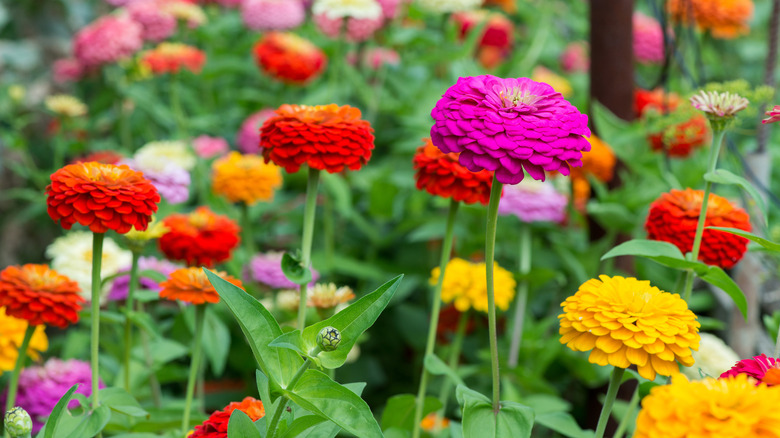
Bursting with spectacular color, zinnias (Zinnia elegans) look fabulous either in your garden or in a vase. They're also some of the easiest flowers to grow from seed. Just plant them a ¼ inch deep and a few inches apart (this may vary, depending on the cultivar), and you'll start to see signs of life in less than a week. Well-suited to zones 2 through 11, zinnias favor full sun and rich, well-draining soil. At the end of the blooming season, you can collect the tiny seeds from the last flowers to dry and store them for replanting next year.
Scabiosa
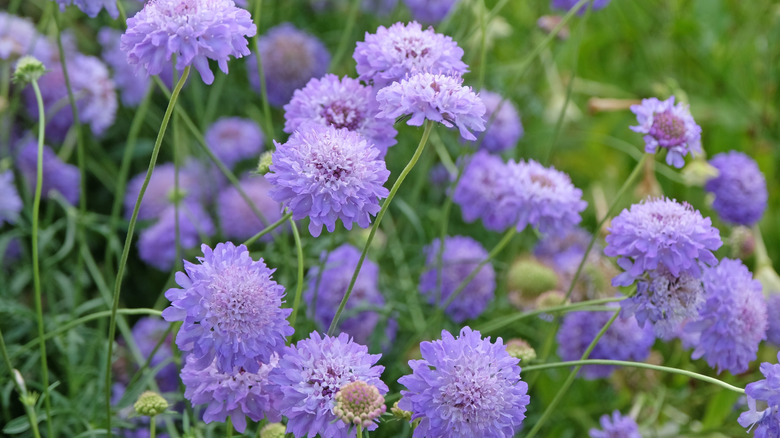
Due to its flower's likeness to a seamstress's cushion stuck full of pins, scabiosa (Scabiosa atropurpurea) is also commonly called pincushion flower. Ideal for zones 4 through 11, these flowers are typically grown as annuals in cooler climates, but they are perennial in warmer sites. Although they're easy enough to grow from seeds — directly sown after the first frost — they do take about 90 days to mature, so you may want to start them indoors if you have a short growing window to work with. Select a full sun site with ample drainage, or you may risk root rot from wet feet.
Love-in-a-mist
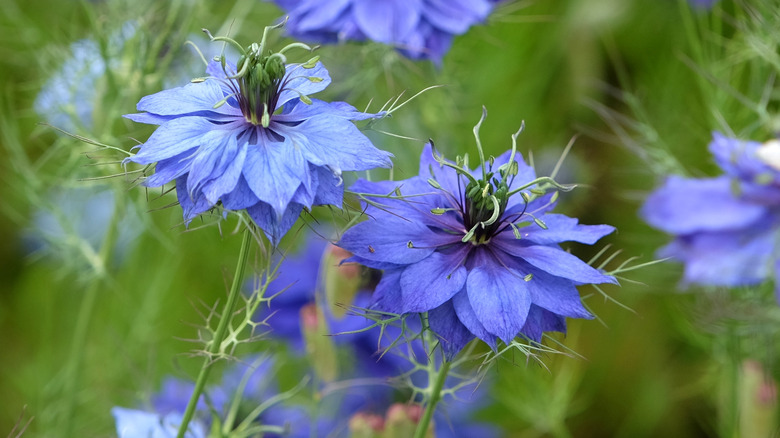
Due to its taproot, love-in-a-mist (Nigella damascena) actually responds poorly to transplanting, so you're better off sowing this striking blue flower directly. Although it's an annual, love-in-a-mist will readily reseed itself if you leave the seed pods. Besides the beauty of its blooms, love-in-a-mist has additional visual benefits in its fennel-like leaves and its intriguing, burgundy-colored seed pods. You can plant this sun-loving flower in zones 2 through 11 quite early in the spring — as soon as you can possibly work the soil. Although its blooming period is relatively short, you can stagger your plantings for multiple blooms, especially if the summer is cool.
Dill
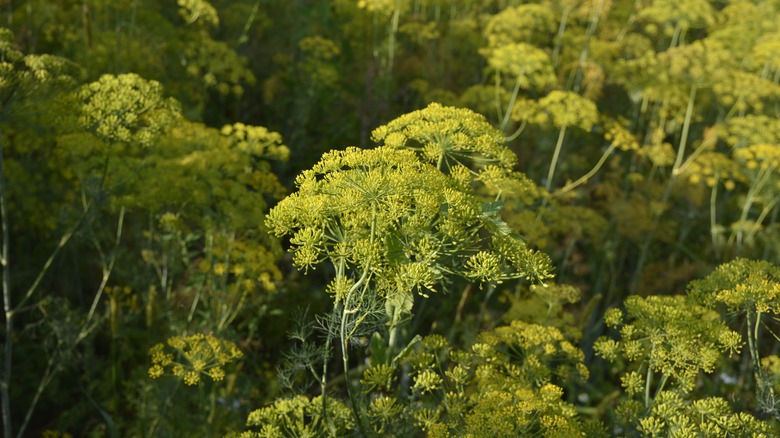
Yes, the dill you love in pickles and on salmon can absolutely make a lovely addition to a flower garden — just ask your local bird and insect pollinators! With its lacy foliage and sweet-smelling yellow flowers, dill can also be a unique and welcome element of a bouquet of cut flowers, lending fragrance and layers of visual texture. Another plant with a taproot that doesn't enjoy being transplanted, dill is best sown directly after the frosts have passed. Plant this herb in either full or partial sun in zones 2 through 11, preferably in soil that's a bit acidic.
Cosmos
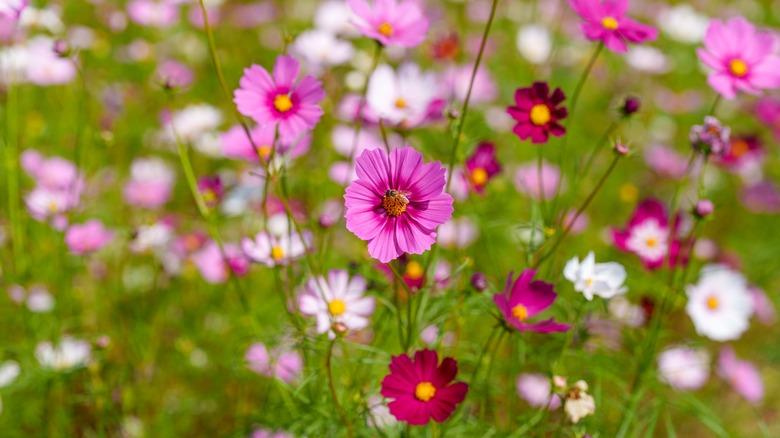
Another charming member of the daisy or aster family, cosmos (Cosmos bipinnatus) is amenable to sowing either directly after the last frost or indoors four to six weeks beforehand. You should only sow cosmos seeds shallowly, pressing the seeds no more than ¼ inch deep into the soil. In fact, just raking the seeds loosely into the soil can be enough. As long as the planting site receives a half-day or more of sunlight and you keep the soil moist for a while, you should start to see seedlings in 7 to 21 days. Left to their own devices, cosmos flowers will readily reseed.