

This Ancient Spice Of Life Is The 2026 Herb Of The Year
While there are many herbs worthy of recognition, only one could win the International Herb Association's 2026 Herb of the Year title, and turmeric, an ancient herb dubbed the "golden spice of life," has claimed the prize! This star of both the pantry and the medicine cabinet has been prized by humans for thousands of years. While readily available in the tea and spice aisles, growing it seems less common in the U.S., so here's what you need to know.
The International Herb Association, a group of professionals dedicated to connecting people who love to grow herbs, has picked an herb to highlight annually since 1995. To win the prize, the plant must get high marks in at least two of three categories: Medicinal, culinary, or decorative. The organization says this year's herb is "relevant to today's world in the kitchen, apothecary, and dye pot". While traditionally used in Indian cuisine, turmeric is a versatile spice with a number of benefits, including anti-inflammatory properties. Some people take it in supplement form to ease osteoarthritis. Others swear it treats hay fever. Some find its antioxidants are good for the skin, while others prefer to use it to dye yarn yellow.
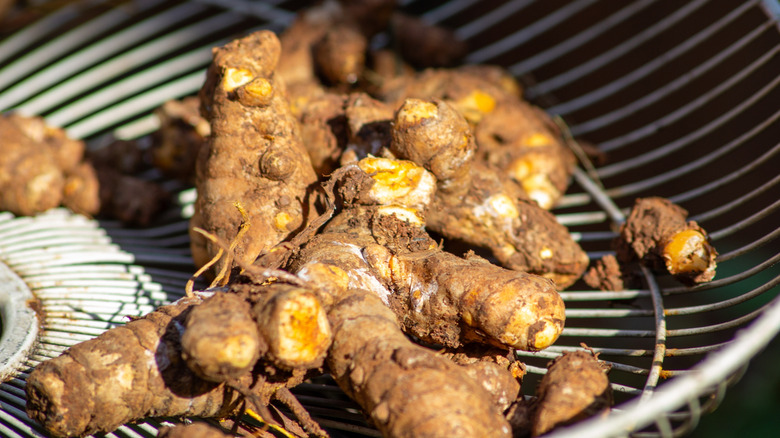
Turmeric (related to the ginger plant) is valued for its rhizomes, the root-like stems that grow horizontally underground. Rhizomes are where plants store some of the protein and nutrients they need. To use the herb in recipes or dyes, you need to harvest mature shoots that can then be dried and crushed into a powder.
How to grow turmeric, the 2026 Herb of the Year
This herb thrives in USDA Plant Hardiness Zones 8 to 11, so it doesn't like cold winters. If you live in a zone lower than 8, the International Herb Association tells you not to fret. You can always grow this perennial as an annual. Or, you can tuck it into a container that you can bring inside, adding it to the list of tropical plants that are better off overwintering indoors in cold climates.
To grow turmeric, head to the garden center to buy rhizomes, or you can grab them from your local grocery store. Look for rhizomes that already have some "buds," which are knobby, pale nubs or new growth. Let them dry out for a couple of days before planting to lower your chances of rot. After it's dried, tuck the rhizome into slightly acidic soil with the buds facing up. Plant them at least 15 inches apart and about 2 to 4 inches deep. If you're using a container, pick a pot at least a foot wide.
Turmeric likes full sun but will tolerate partial shade. It's native to India, where it grows during the monsoon season, so this herb expects a regular dousing. Rhizomes will be ready to harvest in the fall or winter, and then you can take advantage of all the many benefits of the 2026 herb of the year in your own herb garden.