

The Essential Task That Makes Erin Napier's Winter Garden Successful
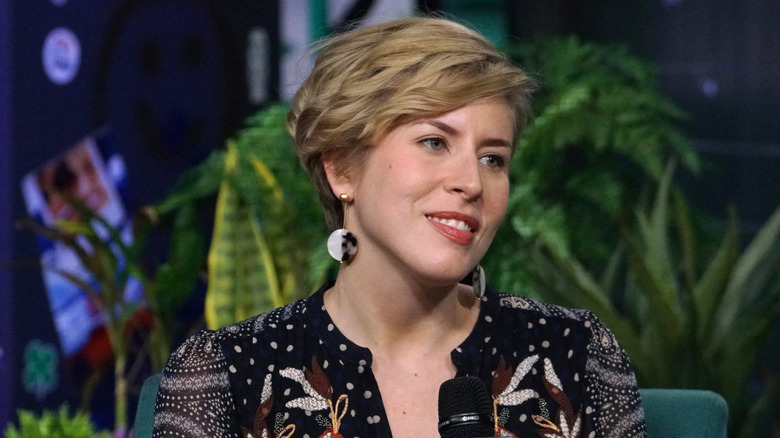
Anyone who's followed designer Erin Napier, host of "Home Town," knows she's an avid gardener. We all might have experienced a little envy watching her harvest impressively large vegetables from her backyard garden well into late December. But unless you want to move your vegetables indoors for an abundant winter harvest, the key is one critical gardening task: Planning ahead.
On the HGTV star's Instagram account, she proudly showed off giant heads of cabbage with a circular leaf span larger than her partner's chest and impressive broccoli crowns bigger than her daughter's face. She also harvests carrots in winter, not just before or after. To get this bounty of veggies in December, the HGTV star got started well in advance, executing a planting plan in the garden in the summer and fall to make sure these impressive specimens appeared after cold weather arrived.
For a successful winter garden, Napier followed a detailed plan for planting vegetables in Mississippi, where her show and garden are based. Her garden happens to fall into USDA Plant Hardiness Zone 8, which is a little more forgiving than winters in the Midwest. Zones there sometimes dip down to 4 or even 3. But Napier says her lush winter garden is all about good planning, and she credits Cedar Hill Garden Consulting with helping her come up with the best planting calendar for her region. No matter what zone you live in, however, you can use a vegetable planting calendar to help you reap the benefits of fresh produce well into the cold months.
Here's how to use a vegetable planting plan for winter harvests
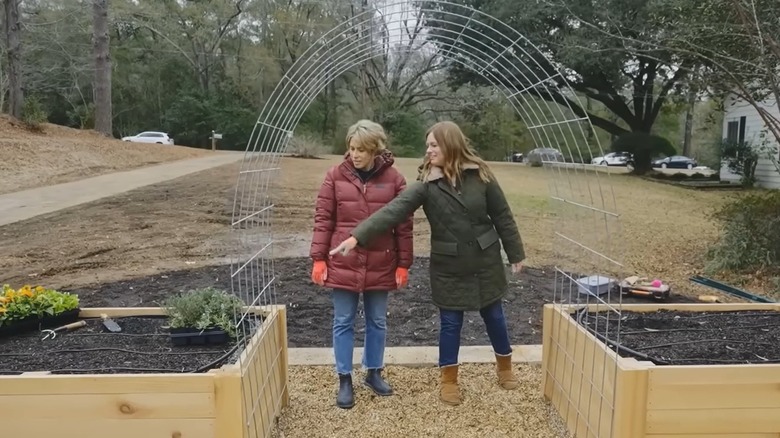
To design a planting calendar, first do some research about your hardiness zone, because this will inform your approximate first and last frost dates. Don't be afraid to reach out to your state's extension or agriculture office, as they'll probably have worksheets available. The second thing to consider for any healthy winter vegetable garden is choosing the right cold-weather plants to weather (pun intended) the change in season, like broccoli or turnips.
For each crop you decide to plant, follow the days to harvest estimate back from the first frost date. The goal here is to have the veggies be mature and ready to harvest after the cold hits, while vegetables are no longer growing as fast. The lower temperatures of winter become a refrigerator for you to pull produce from, but the seeds or transplants need to be in the ground well before this time.
Once you've created your unique planting calendar, follow it diligently so you don't miss important planting windows. In Napier's zone 8, broccoli can be tucked into the ground through September 3, and turnips can be planted into October, but your zone will have different planting windows. If you happen to live in a zone colder than 8, consider using a row cover. This doesn't just extend your growing season by protecting crops from actually freezing; it'll also help you prevent pests, like loopers that eat your cabbage.