

11 Cool-Season Vegetables You Can Grow For A Lush Garden Through Winter
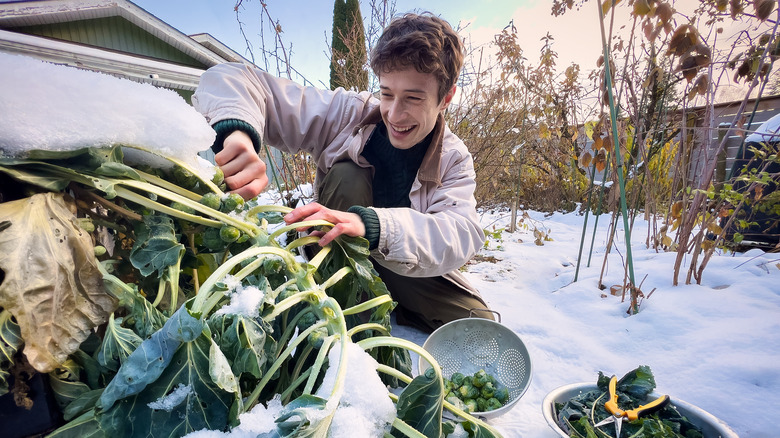
You don't have to live on the West Coast or another mild climate to grow your own winter vegetable garden (although that makes it much easier). Some vegetables not only survive cooler temperatures, but they actually need them to thrive. Root vegetables, like carrots or radishes, love them. So do leafy greens such as kale and arugula. We've gathered 12 of the best vegetables you can grow straight through winter.
It's no wonder some vegetables love the colder part of the year. There are fewer bugs and other pests to bother them, and there isn't as much plant disease to worry about. There are some drawbacks, of course, like less sunlight due to the shorter days of fall and winter, as well as the ever-present threat of plant-killing frost. Keep in mind, though, many of these vegetables can withstand frost and do just fine.
Before you grab a trowel and seeds, always check your hardiness zone and the vegetable variety you want to plant first to make sure it grows in the winter in your yard. Not all winters, after all, are created equal. Your local cooperative extension may have detailed planting calendars to give you specific information for your area to help you. By planning ahead, you could produce an impressive harvest even in December or January.
Carrots are cold champs
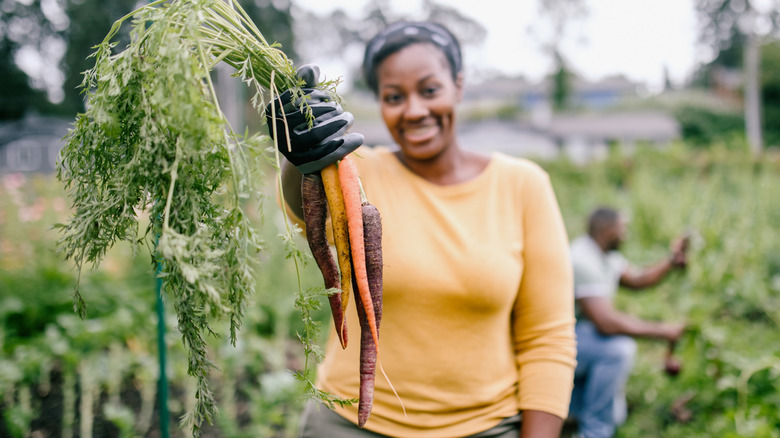
It's not just rabbits that love carrots, with each American eating an average of about 8 pounds every year. That's a lot of carrots! They grow well in cooler weather, though, since they're hardy down to the impressively chilly USDA Plant Hardiness Zone 2. Just make sure to plant them in full sun and well-draining soil. They like their feet moist, but never soaked. Another pro tip: Go easy on the fertilizer when it comes to carrots. Otherwise, the plant might grow big, leafy tops but small and spindly veggies.
Kale won't mind a little chill
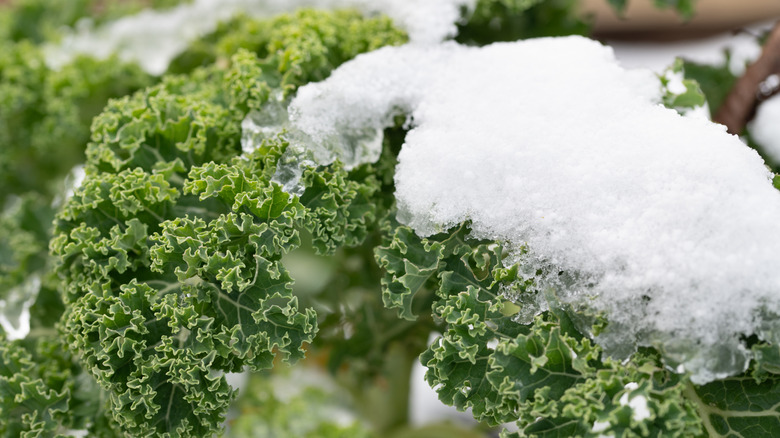
A little cold won't hurt kale. Hardy in zones 2 to 11, this cabbage relative's best growing season is fall. While you can plant it in spring, it won't do well in the blistering summer heat. In fact, it'll need a fair amount of shade to make it to harvest. But if you plant kale later, you'll be harvesting through December. Kale needs lots of light and prefers soil to be neutral to slightly acidic. Plant it once, and it'll last for 2 years, since it's technically a biennial, and not a perennial.
Beat the cold by planting beets
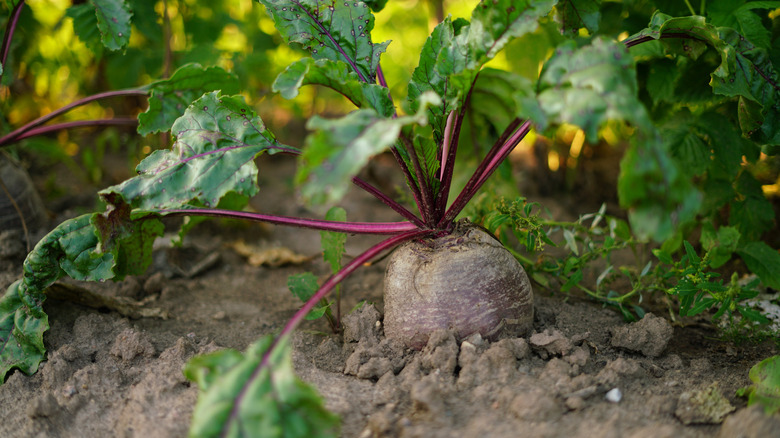
Also hardy in zones 2 to 11, beets do enjoy cool weather for growing, as well as rich, sandy soil, and sun. These root vegetables will tolerate partial shade, though less sun means that they will grow at a slower pace. If you plan to grow these in the fall and harvest them in winter, it's probably best if you live in zones 8-11. You can start thinking about harvesting beets starting at 50 days after germination. Just wait until the root vegetable is at least an inch and a half in diameter.
Plant hardy winter onions in your cold vegetable garden
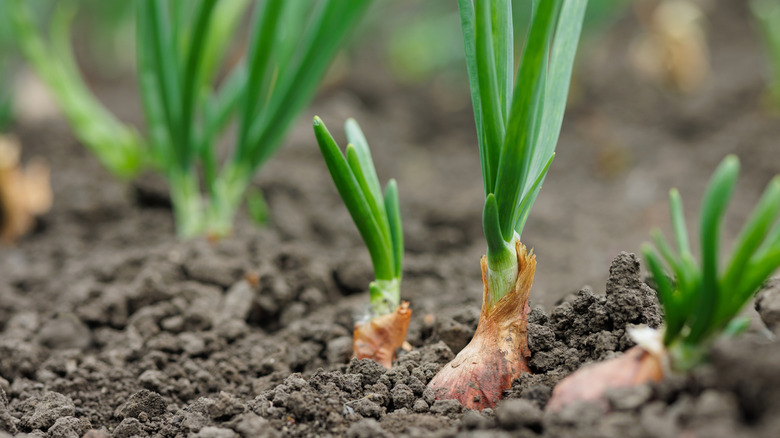
Certain kinds of onions do exceptionally well in cooler temperatures. Winter onion cultivars such as 'Evergreen Hardy White,' 'Desert Sunrise,' and 'Talon' onions are particularly cold-hardy. One of the benefits of growing onions in the winter is that you don't have to do a lot. Since weeds aren't as active, you don't have that much heavy lifting to do. Frequent autumn rains couldmean less watering, too. When you plant onions will depend on your zone, since they are hardy in zones 4 through 9.
Grow bok choy all winter

A delicious addition to many recipes, such as stir-fry or salads, bok choy loves growing in colder weather. This member of the cabbage family doesn't form heads, but grows more like celery, where both the stems and leaves are edible. It does well in partial shade, which is good news for gardens where sunny spots are in short supply. Don't be afraid to plant in the fall because this robust vegetable can survive a light frost.
Broccoli loves the cold
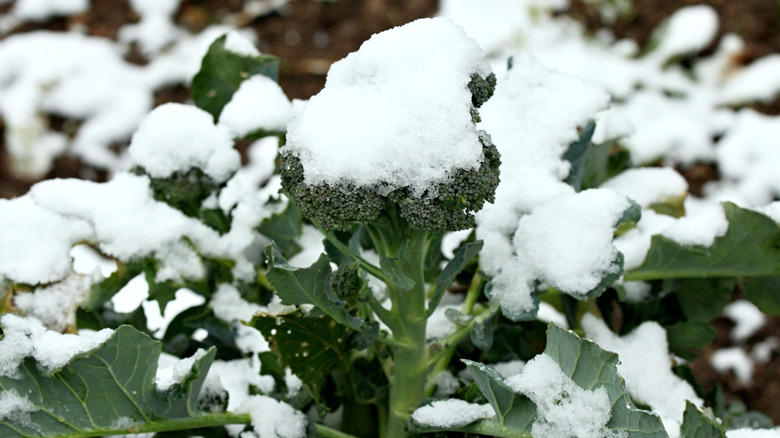
Another tried-and-true cool-weather vegetable, broccoli loves the cold. It actually can suffer during the peak heat of summer, especially when temperatures hover at 80 degrees or higher, so it's best to plant it in cooler temperatures. Hardy in zones 2 to 11, broccoli has some cultivars that are even more tolerant of frigid weather. 'Eastern Magic' was designed specifically for cold winters in the U.S. and Canada. 'Marathon' and 'Purple Sprouting' are exceptionally hardy as well.
Swiss chard doesn't mind shorter winter days
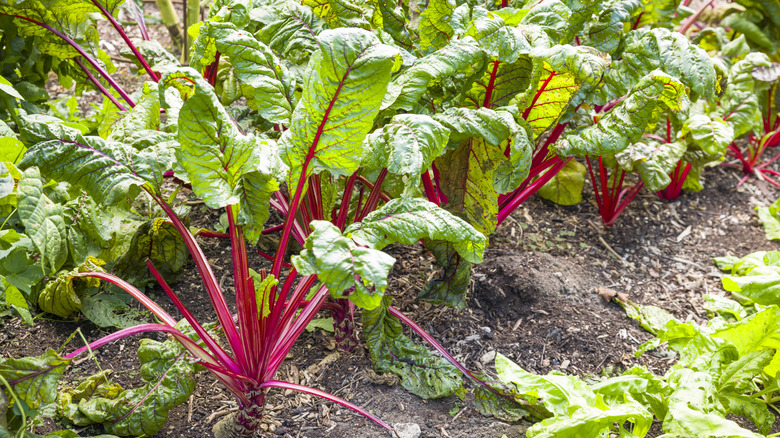
Swiss chard thrives in winter, and can even continue to grow when the mercury dips below freezing to the mid-20s. It's such a cool weather plant, in fact, that it's historically savored as part of a special Christmas Eve meal in France. While it's a type of beet, you don't eat the rootbut the leafy greens that grow above ground. When planting Swiss chard, you don't need to worry about crowding them, as they'll thrive even in tight conditions. They just compensate by growing smaller leaves.
Grow Brussels sprouts in winter for a sweeter taste
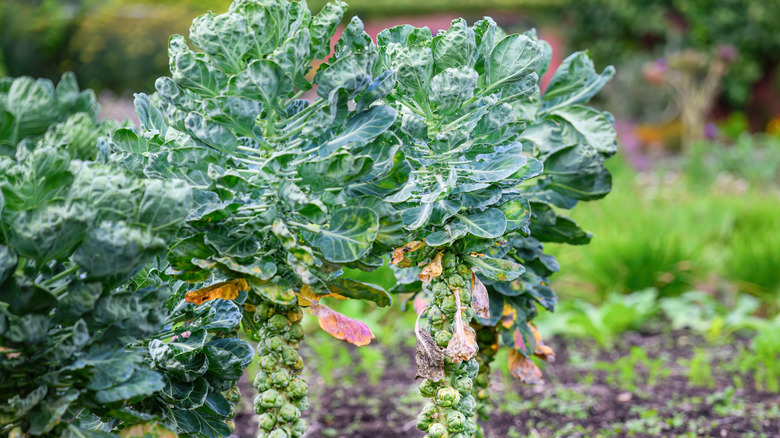
Brussels sprouts aren't just cold-tolerant, but they actually need frost to grow sweeter and better tasting. While hardy in zones 2 to 11, if you happen to live in zones 4 to 7, then you'll probably want to protect these plants from serious freezes in a greenhouse or with a row cover. It's a good rule of thumb to harvest before temperatures drop to 10 degrees. Brussels sprouts take 85 to 110 days to mature from seed, so be sure to plan way ahead for even a winter crop.
Make winter salads with arugula
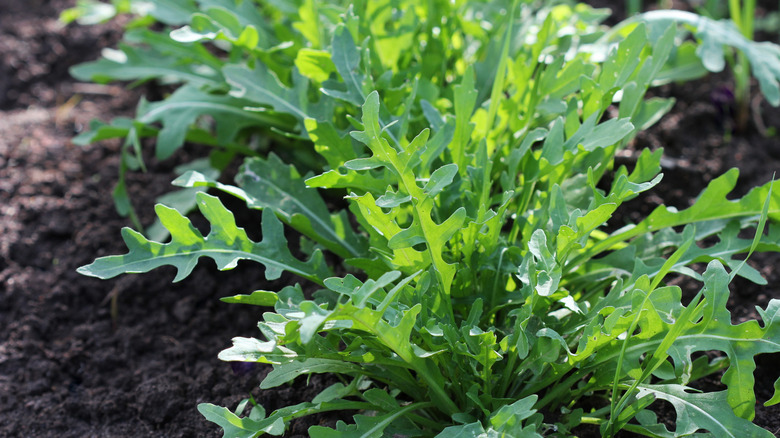
If one of your New Year's resolutions is to eat more salad, why not grow your own arugula for a bit of spice in your winter salad? You can plant this member of the mustard family in the fall and then harvest young leaves in just 6 to 8 weeks. If you want to keep harvesting over winter, you'll have to protect it from freezing. Arugula is fairly flexible about where it's planted, though it prefers nutrient-rich soil and a place with lots of sun.
Plant cauliflower in milder zones for a winter harvest
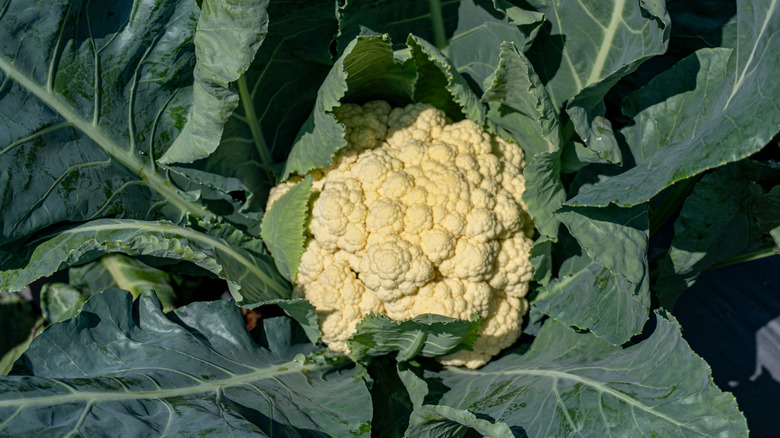
While cauliflower is a cool-weather plant, it's a little more sensitive to cold than other members of the Brassicaceae family, so be intentional about the cultivar you pick. 'Prestige' and 'Chester' are two tougher varieties that hold up to cold better. Regardless of the cultivar, the best way to grow cauliflower is by transplanting seedlings. Sowing seeds directly outdoors could spell trouble. This plant has shallow roots, so be sure to apply mulch if you're at all worried about temperature fluctuations.
Snow peas won't mind the snow
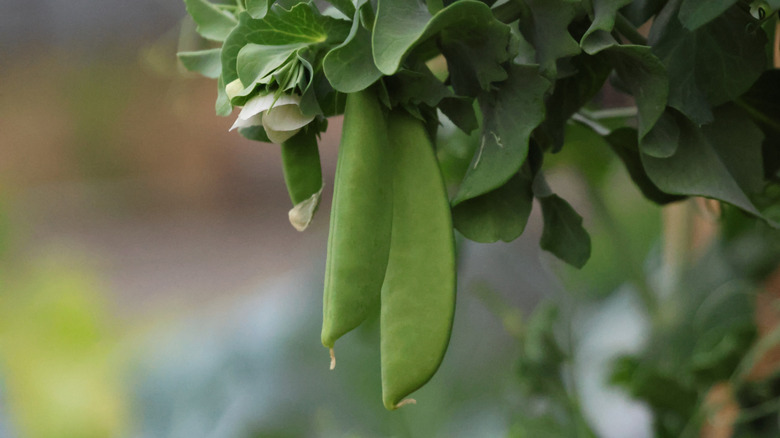
As evident from their name, snow peas don't mind cold weather. Like all peas, they can grow pretty much anytime the temperature gets to or remains above 40 degrees. These flat peas actually hate the heat, though, and will stop growing when temperatures hit 85 degrees. Hardy in zones 2 to 11, they tend to prefer soil acidity in the neighborhood of 6.0 to 7.5. You'll want to rotate this crop to a new location every year to prevent fungal disease.