

6 Vegetables You Can Plant In January For A Head Start On The Garden
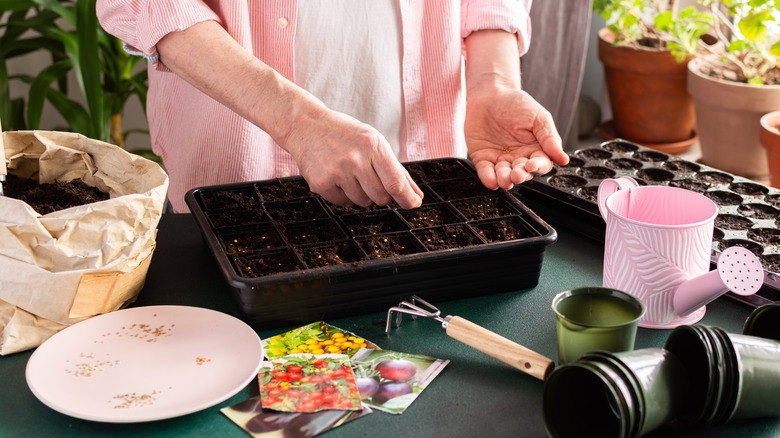
While January can be a bit of a quiet month in the garden, there are still vegetables you can start growing. Of course, the exact date still depends on where you live, but generally speaking, the vegetables that can be started in January either take a very long time to mature (requiring them to be started early in the season) or are relatively cold-tolerant (allowing you to begin planting them out when there is still frost on the ground). So whether they like the crisp temperatures or they just like to take their time, these veggies should be on your mind way before the last frost date.
How and when to plant these seeds depends on a variety of factors, with the most important being your average last frost date. Often, our popular veggies should be planted after that date, but early starters will need to be planted before. Then you'll also have to consider whether you're protecting your crops or not. If you have row covers, a greenhouse, or any other type of frost protection for your plants, it can also help to extend your season, allowing you to start planting out earlier than you would otherwise. Finally, it's very important to pay attention to which seeds can be direct sown outdoors during the winter months, and which you need to start indoors.
Tatsoi brings cold tolerance and flavor to your garden
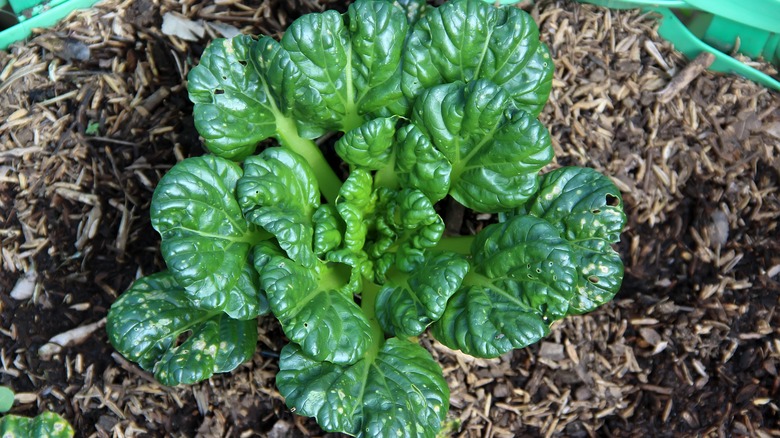
Tatsoi is a classic for the flavor it brings to dishes like stir fries and salads. It is quite cold-tolerant as well, often tolerating temperatures down to 20 degrees Fahrenheit. Whether you start it indoors 8 to 10 weeks before planting it out, or direct sow it in the garden 3 to 4 weeks before your last frost, early in the year is a great time to get started on growing your delicious tatsoi.
Level up your stir-fries and soups with cold tolerant bok choi
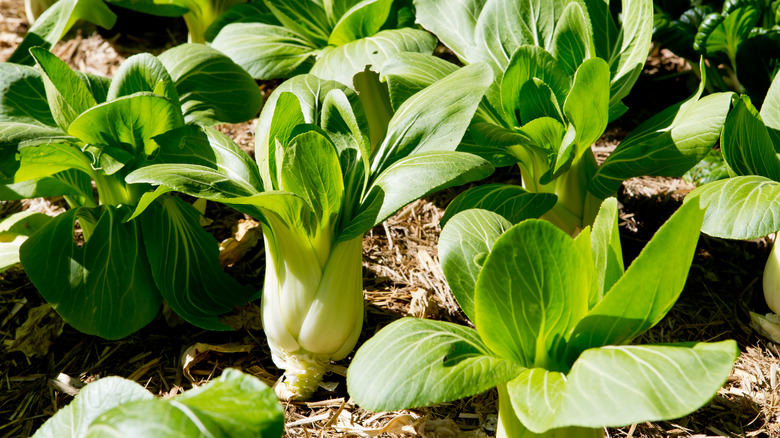
Another Chinese green to consider starting early is the delicious bok choi. Bok choi is perfect for adding to soups during winter or just enjoying as a side dish. Because bok choi can bolt if it's exposed to temperatures below 50 degrees, it's important not to rush this crop outside too early. Even if it's too cold to direct sow, you may want to start this veggie indoors as it benefits from around 6 weeks of indoor growing before hardening off for transplanting outdoors.
Spicy peppers require a long time to mature and ripen
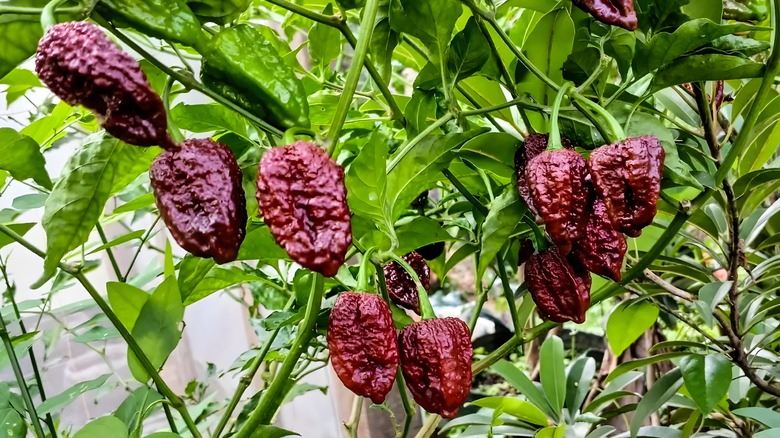
While peppers in general often take some time to mature, spicy peppers like those in the species Capsicum chinense are particularly known for their slow germination and slow growth. This can include classics like Scotch bonnet peppers and habaneros. Not only can they often take up to 5 weeks to germinate, but they may also take over 2 months to mature. Unless you have unusually long summers, it's best to give your hot peppers an early start indoors so they have as much time as possible to mature.
Sweet potatoes can be an amazing crop if you start early
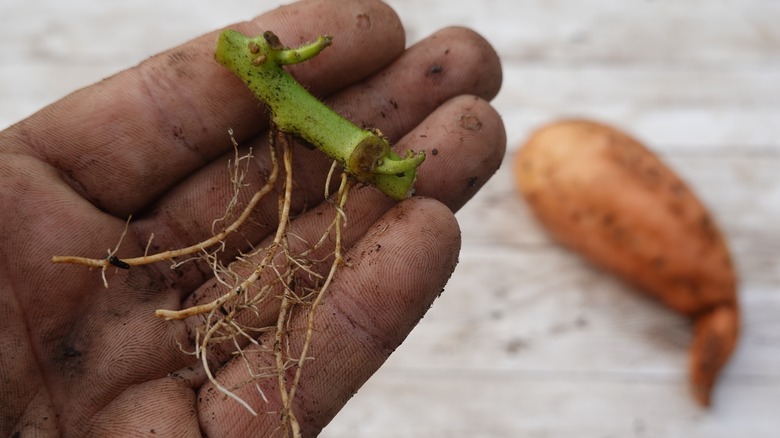
Sweet potatoes are a classic crop for fall harvesting. But because they can take around 5 months to be ready to harvest, it's important to start growing them early. Whether you buy your own slips to start your potatoes or take some from existing sweet potatoes that have started sprouting, you'll need to grow the slips indoors until soil temperatures are in the 70's. Then you can transplant the young plants outside. You may need to use row covers to extend your season in colder climates.
Colorful Swiss chard can brave the cold to provide tasty greens
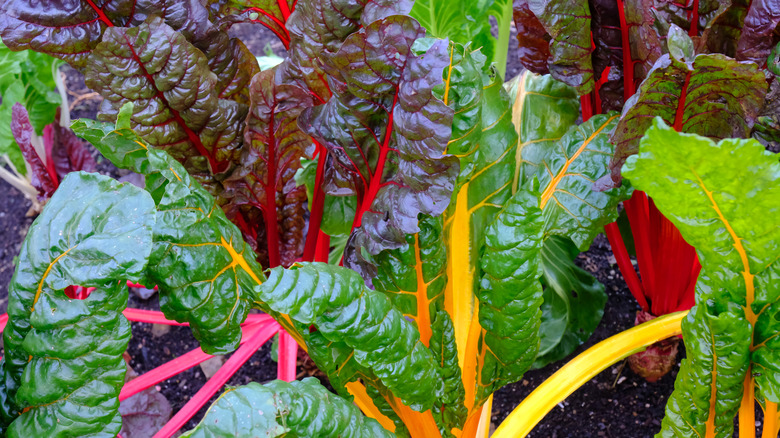
The beautiful and colorful Swiss chard is a perfect crop for starting early, either as a transplant or directly sown. If you opt to direct sow Swiss chard seeds, you can do so around 1 month before your last frost. Otherwise, start them indoors as transplants and move them out after about 6 weeks. Outdoors, your Swiss chard should thrive in full to part sun and appreciate moist and fertile soil. These beet relatives generally take about a month and a half to mature.
You can't beat a good beet for early harvests
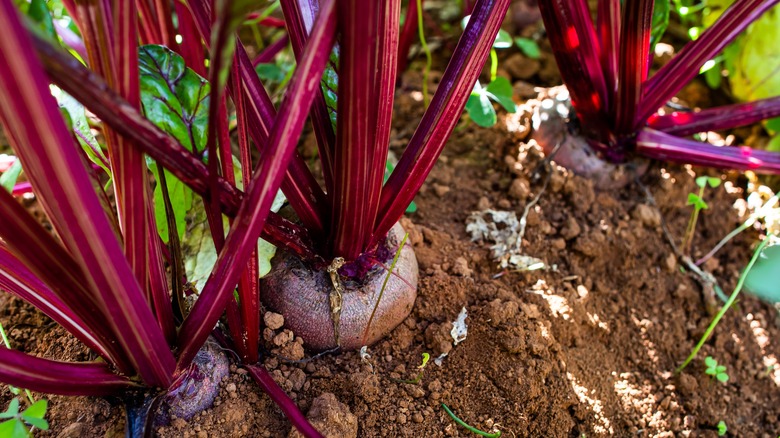
Beets are known for their cold tolerance. In areas where warm winters are the norm (like Southern Texas), they can be grown outdoors all winter long. For gardeners in northern areas, it's generally best to direct sow beet seeds once the soil has reached about 40 degrees Fahrenheit. They can also be started indoors and transplanted out into the garden. Regardless of how you start your beets, be sure to grow them in full to part sun.