

Top Gardening Trends You Need To Know For 2026
We may receive a commission on purchases made from links.
While some gardening go-tos and best practices see very little change year over year, others evolve with the times. Gardening trends can reflect not only changing design tastes, but the deeply-held values of gardeners and homeowners themselves. This is especially true of the drive toward prioritizing the health of the planet wherever possible in planning outdoor spaces in 2026, says Better Homes & Gardens. Furthermore, according to Sunset Magazine, people are also looking to their outdoor spaces to provide a sense of personal well-being for themselves and their families (including the fuzzy, four-legged members!).
On the aesthetic side of things, the look and feel of a garden can be deeply personal, and ways of expressing individuality through green and growing things may span a wide gamut in 2026. Some people may be opting to tone things down, embracing soothing neutrals, as reported by the Garden Media Group. Others are more at home in spaces that offer a lived-in sense of controlled chaos, notes the Pennsylvania Horticultural Society. While you plan your own garden in 2026, take a look at these trends and combine them however you like to reflect your own style and values.
Gardening with nature in mind
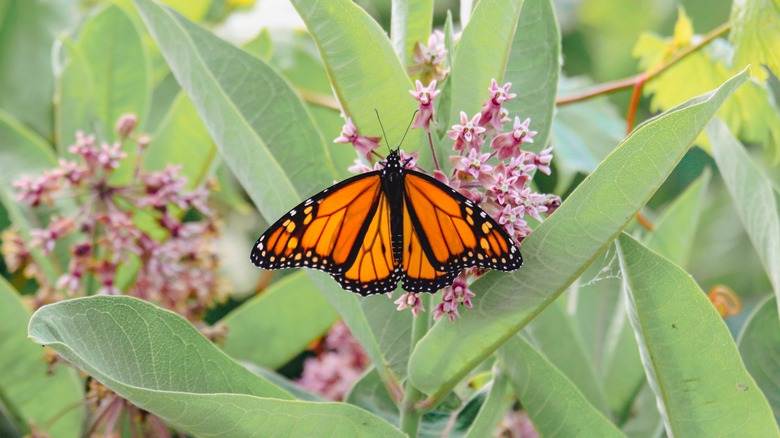
Increasingly, gardeners are leading the charge on tackling climate change, making choices that consider the health of their local ecosystem and their larger carbon footprint, says Better Homes and Gardens. Plants and flowers native to America that have lighter water and fertilizer demands are at the top of the list. With bird and insect populations in decline due to habitat loss, some gardeners are "rewilding" their yards, eschewing lawns and formal gardens in favor of native species that feed and shelter wildlife. Try creating a native garden in a side-yard or within one contained plot at first!
Go big with maximalism
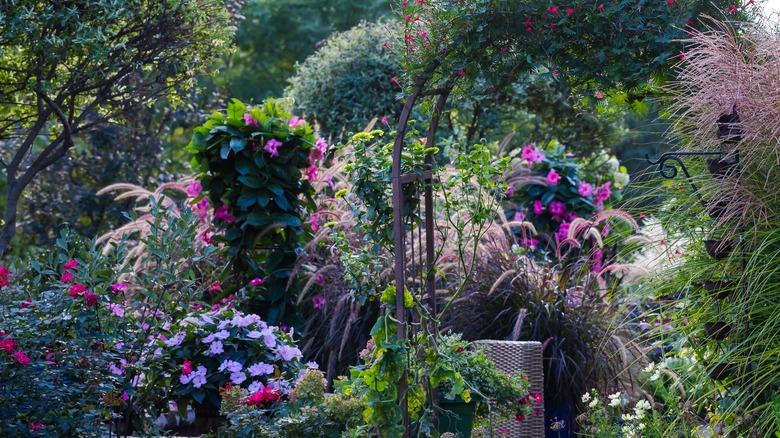
People are embracing the joy of lovingly curated maximalism, says the Pennsylvania Horticultural Society, adding that this trend toward bold personal expression is informed by Teresa Woodward's 2025 book, "Garden to the Max: Joyful, Visionary, Maximalist Design." Driven by the pursuit of joy and abundance, this design approach endorses an exuberant "more is more" philosophy, where mixing bold colors and textures creates dramatic, layered living art. Showy flowers and foliage, fun and funky potted plants, and thoughtfully selected accessories and decor are all potential elements of a maximalist garden. The only rules are go big and make it your own.
Grow your own bouquets with cut flower gardens
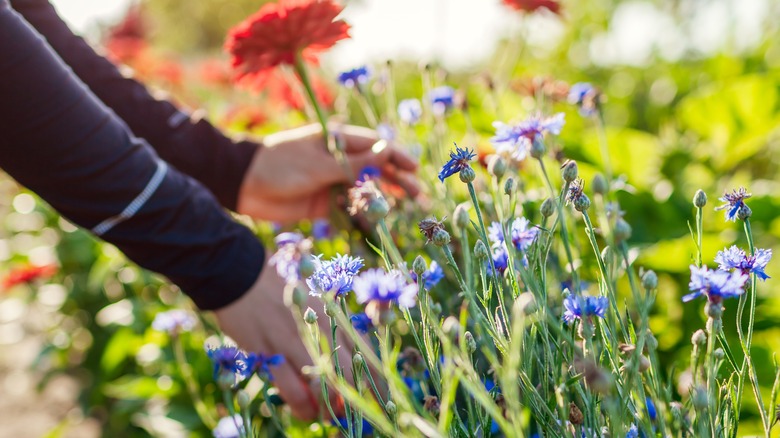
If your space just never feels complete without a vase or two of fresh flowers, but you're a bit bummed out by the short lifespan of cut flowers, you'll love the trend toward cut flower gardens, as reported by the PHS. Vibrant in a vase and blessed with a long blooming period, zinnias (Zinnia elegans) are an excellent choice for a cutting garden, as are bachelor's buttons (Centaurea cyanus). You can't go wrong with the classic sunflower (Helianthus spp.) either. A bouquet looks best with some greenery, so consider adding some interesting foliage for filler.
Kusumi
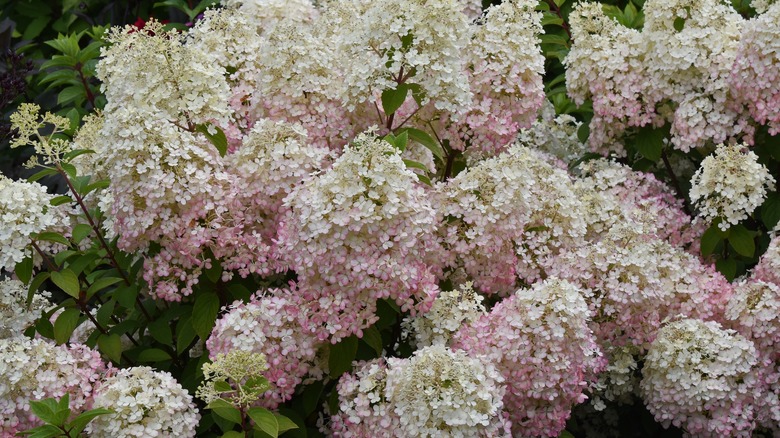
A Japanese word referring to muted, smoky colors, kusumi is a trending color philosophy that embraces a feeling of misty, romantic nostalgia, according to Garden Media Group. The organization declares a pale, dusty pink hue dubbed "Faded Petal" the color of the year for 2026, pointing to 'American Lace' pink hydrangea (Hydrangea arborescens) and 'Blush Pink' nandina (Nandina domestica 'AKA') as exemplary selections. Try browsing vintage shops and antique stores for decorations and hardscaping that have a time-worn patina that will highlight these wistful tones. You can also look for a pastel mix of elegant ranunculus.
Fruit growing
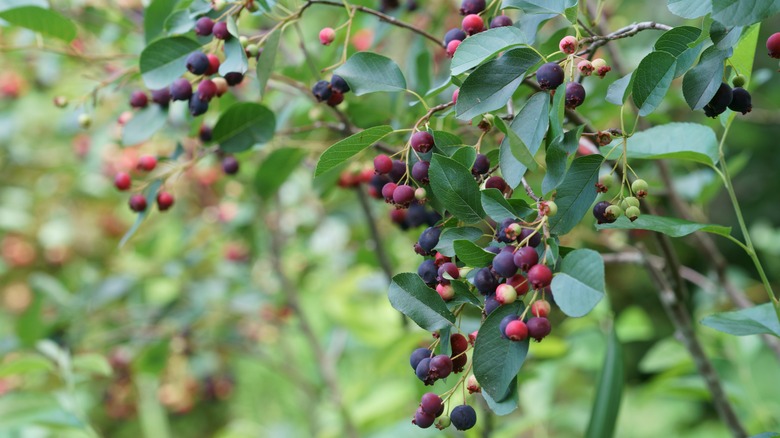
The PHS reports that people's interest in growing their own fruit is ramping up, and not just the usual suspects of apples and peaches. Previously under-appreciated native fruits such as pawpaws (Asimina triloba) and serviceberries (Amelanchier canadensis) are also having their day. Planting a serviceberry or other native fruit tree in your yard can provide your family with snacks fresh off the tree as well as jams, pies, and other culinary delights for years to come. In addition to that, your local birds, insects, and other wildlife will benefit from the food and shelter a backyard serviceberry tree can offer.
Designing around your pets

If pets are members of the family, it stands to reason that their wants and needs ought to be included when you're planning your garden! Sunset Magazine's 2026 Garden Trends says that pets' safety and enjoyment of outdoor spaces are driving garden design choices. Approach plant selection thoughtfully when designing around your furry friends. Avoid thorny plants that can prick tender paws, as well as toxic selections, such as azaleas and rhododendrons (Check out the ASPCA for a list). Make sure there are shady trees and bushes for hot days, and maybe even consider adding a small water feature.