

The Unsuspecting Place Termites May Be Growing In Your Garden
We may receive a commission on purchases made from links.
Bugs are just a part of gardening, good and bad. It's important to keep the really bad bugs out of your garden as much as possible, but you might be inadvertently attracting some. Creepy, destructive termites, for example, may move into your yard because of your raised garden bed. Termites, of course, love wood, and they can attack the framework of our raised beds. Filling the beds with twigs or old logs might have doubled their appeal, and may accidentally be laying out the welcome mat for these wood-eating bugs.
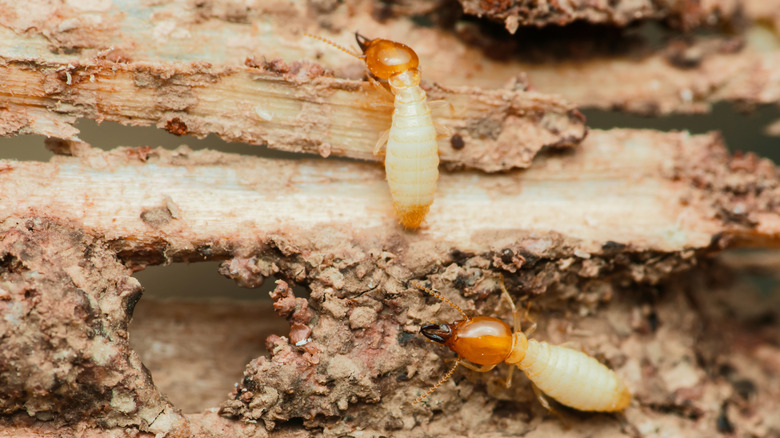
In nature, these pests seek out moist areas near a steady supply of food, such as a buried stump, but they can pop up in unexpected places, like your compost pile. They build colonies underground, where they communicate using chemicals and (at least most of them) live their entire lives. Workers tend to be white and about a quarter of an inch long. They aren't picky about their wood source, and they aren't opposed to nibbling on the roots of your garden bed flowers or vegetables, either. So if you spot them in the yard, it could only be a matter of time before the colony becomes a problem for your house and garden as well.
To determine whether you have a termite problem in your garden bed, look for signs of blistering on the surface of the wood paneling. Raised dirt tunnels the bugs leave behind can be an indicator as well. The most obvious sign is swarms of winged bugs, though. Usually, these adult scouts only appear in a large colony as they leave the original nest to find a new place to live.
How to get termites out of your raised garden beds
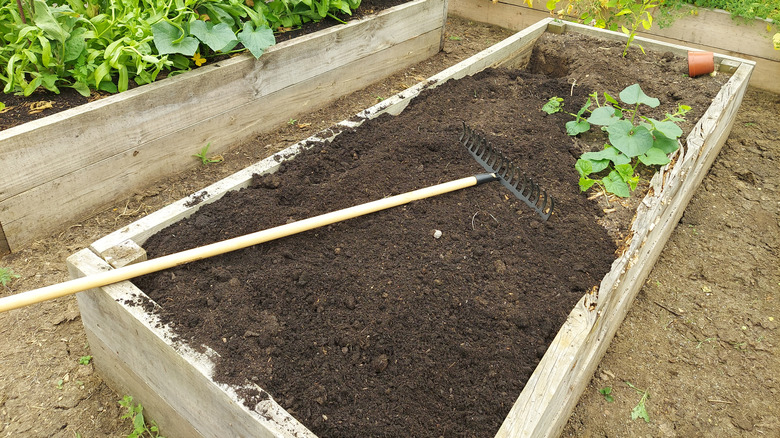
If you've determined you do have an issue with termites, then you'll need to be proactive to remove them, especially if your raised bed sits anywhere near your house. You can try using boric acid or borax (which are different products) to control the population outdoors. You might already have 20 Mule Team borax powder in your laundry room. Borax interferes with the bugs' ability to digest, which ultimately will kill them.
Borax, however, will work slowly, so you may want to take other strategies as well, such as using diatomaceous earth for termite removal. If you've got a very serious problem, take all the soil and plants out of your garden bed. Get rid of any wood that might be there. If you get rid of their feeding source, the pests may leave of their own accord. This might feel like a lot of work, but you'll be glad you did it if you prevent a serious infestation.
You can rebuild your raised garden bed with metal sheeting, or even give your container garden an upgrade with a clever pool noodle hack. Termites won't eat plastic or foam. You can also be more proactive by getting rid of rotting logs or other debris on your property that might be inviting them in. Remember that termites can always be a problem in warmer climates, where they thrive. Stay vigilant so they don't take up residence in your garden.