

9 Varieties Of Fruit Trees That Can Thrive In Cold Climates
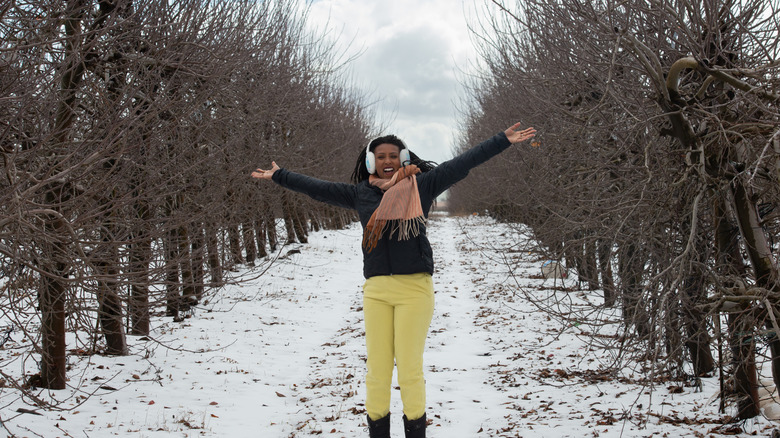
Tropical spots like Florida, with their bright oranges, are often first to come to mind when we think about fruit trees. But in reality, plenty of fruits thrive in colder climates. Many stone fruit trees (such as cherries and plums), apple trees, and more actually prefer chilly weather since they need a certain number of chill hours to produce good harvests in the summer. So many states with colder weather are large producers, too. For example, Michigan leads the nation in tart cherry production, and most of the state falls into USDA Plant Hardiness Zones 6 or below. And Washington and New York states happen to be among the top apple producers in the United States.
Even for cold-hardy varieties, you still have to prepare them for freezing weather. One particular threat is winter sunscald. This happens when the thin bark of fruit trees freezes overnight, and then the daylight sun thaws them too quickly, leading to split bark. That's why an essential gardening task to prep cherry trees for winter involves painting their trunks white to reflect light. General cold care, like mulching to insulate the roots, is helpful for all fruit trees.
Otherwise, cold-hardy fruit trees need the same space and care considerations as their more tropical counterparts. And if you want fruit, read up on which plants need help from other plants to be pollinated, and plant accordingly. Self-pollinators don't need buddies, but others need specific partners within a specific distance. As long as you keep these things in mind, you should be good to go with 10 of the best fruit trees to grow in colder climates.
Cherry trees don't mind the cold
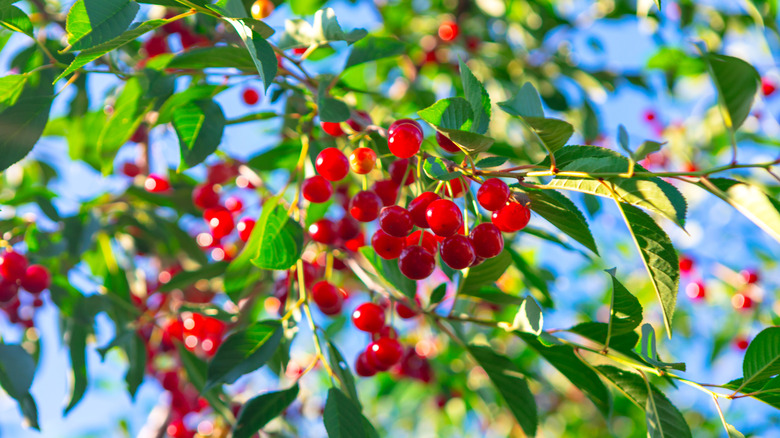
Either sour (Prunus cerasus) or sweet cherries (Prunus avium) can grow in some pretty chilly climates, but sour cherries tend to be even more cold-tolerant than sweet ones. That's often because they bloom later, so they're not as prone to the ill effects of a late season frost. Plus, many varieties are hardy down to zone 3. 'Romance' cultivars like 'Cupid' even survive in zone 2. If you live up north, this is the delicious tree you should be planting.
Pick a hardy snow apple tree to survive winter blizzards
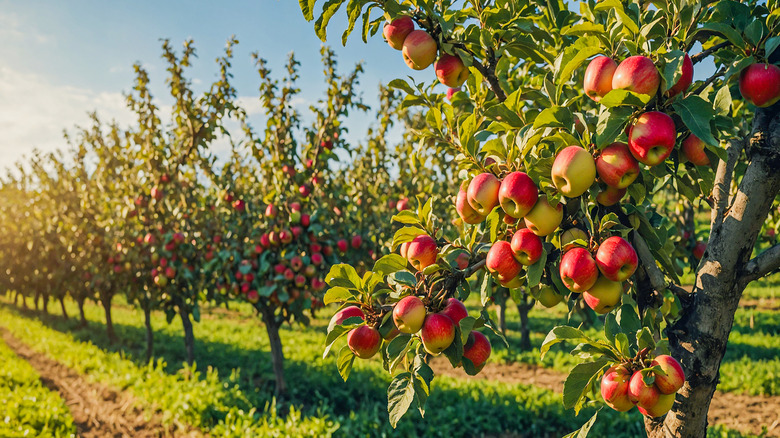
Cold weather can harm plants in any number of ways, like freezing roots or splitting bark. Specific varieties of apple (Malus) trees, however, can withstand temperatures well into the negative digits, including so-called snow apples, which have been around since the 1600s. These sweet apples get their name, not because they grow in snow, but technically because the inside of the fruit is white. But note that many apple trees benefit from neighbors that can cross-pollinate with them, so plan accordingly.
Sweet plums defy plunging temperatures
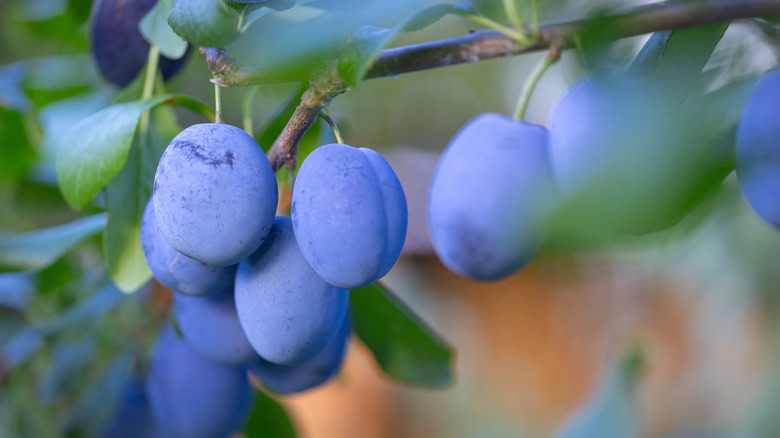
While not all varieties of plums (Prunus domestica) are cold-tolerant, there are several that can survive harsh winters. Stick to European or American plums, rather than Japanese cultivars, for varieites that can withstand the chilliest weather. Grab 'Yellow Egg,' 'Dietz,' or 'Reine Claude' plums, and they'll stand up to frigid temperatures in zone 5 with ease. American plum trees are even tougher and hardy down to zone 3.
Cool weather can be all right for apricots
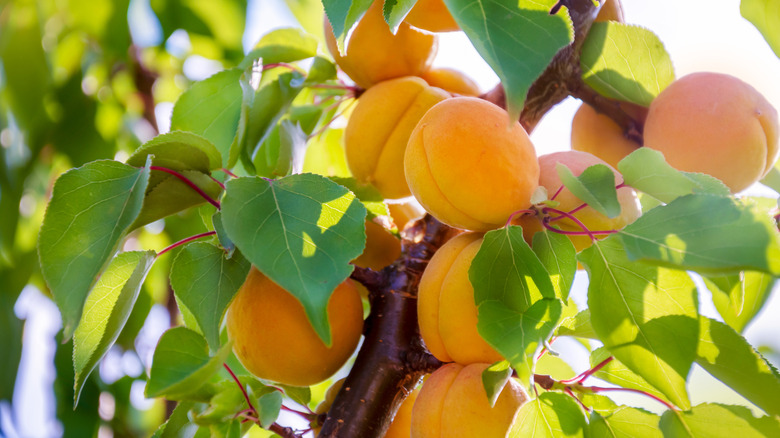
Hardy down to zone 5 and sometimes even 4, apricots (Prunus armeniaca) don't mind the occasional cold snap. 'Harglow' and 'Goldrich' are winter-hardy varieties that are also late bloomers, which can help you save crops from spring freezes. Late cold weather can still affect fruit yields, though. Pay attention to where you plant this tree, since it's not really good to put one in or near your lawn. Grass requires more frequent watering than apricots, and it might also siphon away nutrients apricots need to grow.
'Contender' peach trees will easily contend with a drop in temperatures
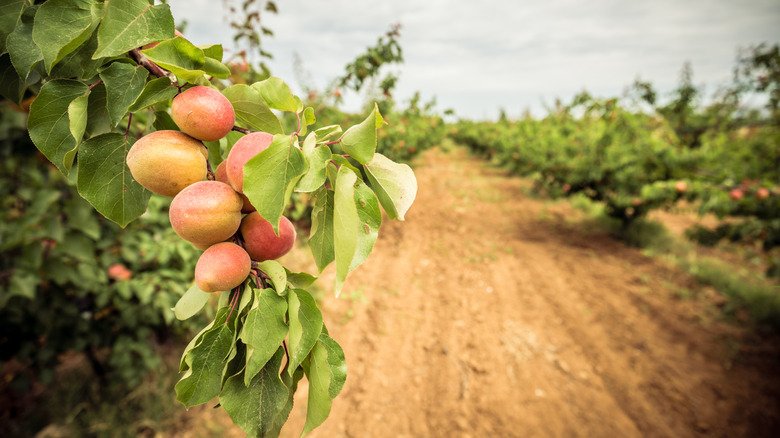
If you're craving some sweet peaches (Prunus persica) normally grown in warm climates like Georgia, but you happen to live in the Northeast or Midwest, try the 'Contender' peach tree. It's hardy to zone 4, and it requires at least 800 hours of chilling time. Chilling time is the cold period that helps the plant produce fruit, so it's a great way to gauge how happy the tree will be in your winters. It's also disease-resistant. For best results, give 'Contender' lots of sun.
Weather the cold with a hardy pear tree
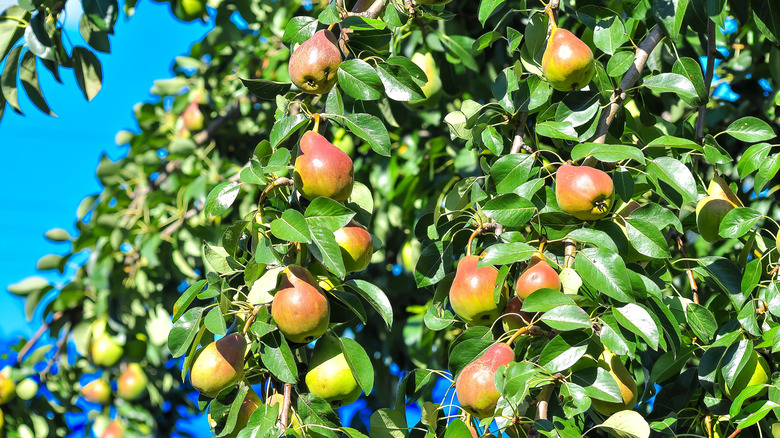
Pear trees (Pyrus communis) thrive in zones 4 through 8, and thanks to a breeding program at the University of Minnesota, a few cultivars are especially cold hardy. 'Juicy Jewel,' developed by the university in 2023, is one kind of cold-hardy pear tree, whose fruit resembles an Asian pear. Another cultivar, 'Summercrisp' might be the hardiest cultivar at the university. The fruit ripens in August, and can be picked when it's still crisp, as its name suggests.
Winter won't bother mulberry trees
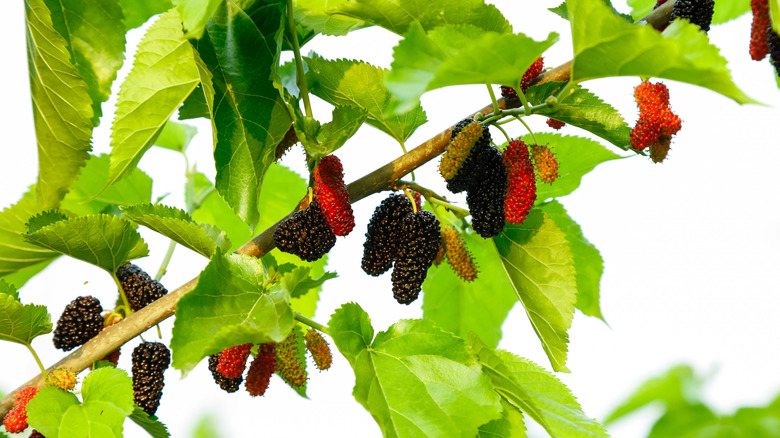
When it comes to surviving the cold, mulberry (Morus rubra) trees are the chilly champs, hardy in zones 3 to 6. This low-maintenance, no-fuss fruit can be a nice addition to any yard. The berries, much like blackberries, will brighten any jam and will keep the songbirds in your yard happy and full. This hardy fruit tree isn't too picky about soil texture or sun, as it'll grow almost anywhere. It does best in full-sun, however, and prefers well-draining soil that stays a little moist.
Persimmon aren't persnickety about cold weather
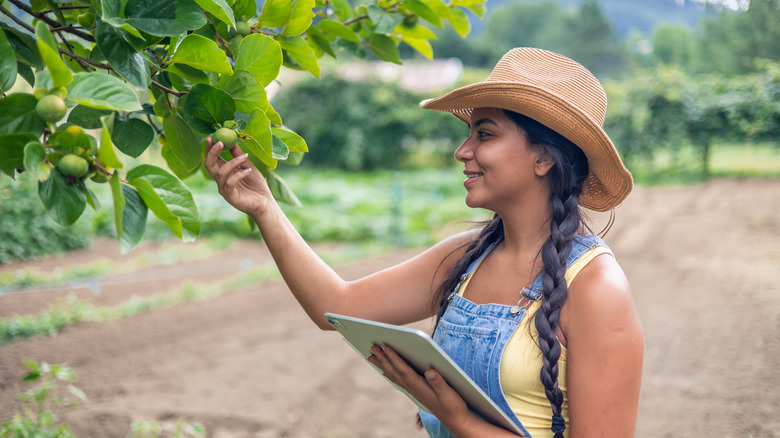
Hardy to zone 4, the American persimmon tree (Diospyros virginiana) doesn't mind the occasional chill in the air. This versatile plant, whose flowers can add flavor to honey and whose fruit can be eaten or used to make ink, is fairly easy to grow. Persimmons grow in full sun or partial shade and can take soil that's a little bit alkaline or acidic. If you want the cold-hardy persimmon winner, try the 'Deer Luscious' variety. This tree can withstand temperatures as low as -30 degrees.
Add hardy Russian pomegranate trees to your yard
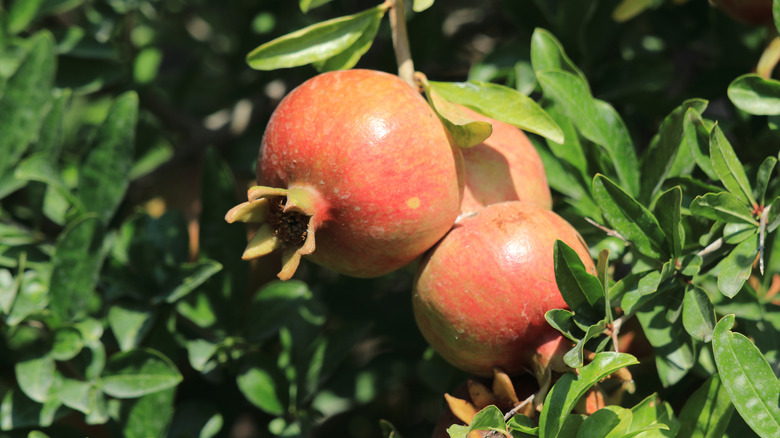
Sweet and tart pomegranates (Punica granatum) aren't only suited for mild climates like California. The cold-hardy Russian pomegranate tree can withstand the chill — thriving even in zone 5 while traditional pomegranates usually only tolerate winters down to zone 8. Tolerating temperatures down to zero, it also has the benefit of a late-blooming season, which means that it is less likely to get knocked off track by early spring frosts. And since it's self-fertile, you won't have to play matchmaker.