

North America Vs. Europe: Who Has The Colder Winter, And How Does It Affect Gardening?
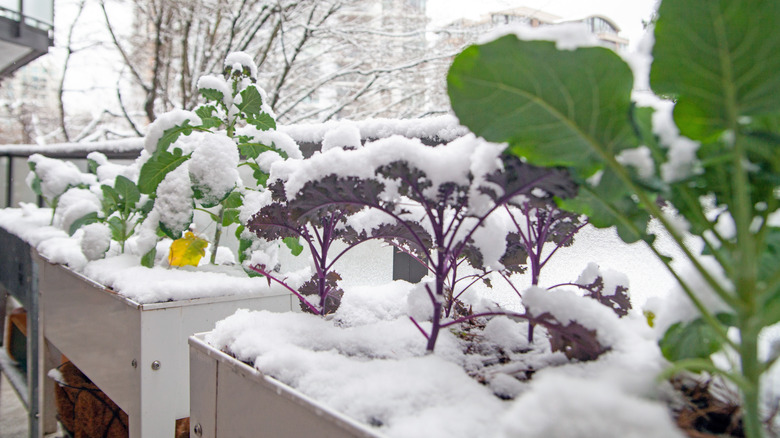
If you've ever traveled across North America or Europe, you know just how large these continents can be. North America stretches 9.54 million square miles while Europe is 3.931 square million miles. Despite its smaller size, Europe contains 50 different countries, as opposed to North America's 23 countries. And all of these countries have their own unique climates and history of gardening culture. Of course, that doesn't mean you can't take gardening advice from someone living in a different country — or even continent — from you. It just means you need to consider how your experiences may differ based on weather factors, including humidity, precipitation, and, of course, temperature.
Considering the size of these continents, it's no surprise that they have a wide range of weather conditions and temperature extremes. While both Europe and North America are in the Northern Hemisphere and experience winter during the same time, that doesn't mean their winters are necessarily similar. While the coldest winter temperature is found in Europe and the warmest in North America, there are plenty of areas of both continents with relatively mild winters, and North America actually has cooler winters overall.
There can be a lot of differences within and between regions, but there are plenty of similarities too. California is often described as having a Mediterranean climate, as it has weather similar to countries like Italy and Greece thanks to its rainier winters and drier, warmer summers. This means that many of the same plants, such as grapes and citrus, thrive in both regions despite how far apart they are. It's not just temperature that allows for this — it's also the amount of precipitation.
Comparing warm winters in Europe and North America
Just because it's winter, it doesn't mean that everyone has to stop gardening. Plenty of North Americans are taking advantage of the cool season. Montego Bay in Jamaica generally only cools to around 82 degrees Fahrenheit in winter — and many winter vegetables like cabbage and pumpkin are grown there. In Honolulu, which is the warmest U.S. city in winter, average temperatures remain around 74 degrees Fahrenheit. Miami isn't much colder at 70 degrees. These temperatures are perfect for planting cool-weather crops that only work for fall vegetable planting in other parts of the country, but would be overwhelmed by Florida's summer heat.
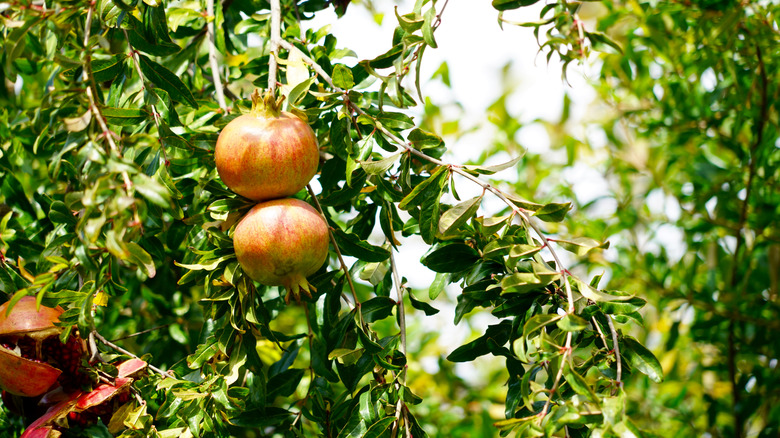
While the warmest winter temperatures in Europe are a bit cooler, they're far from cold. In the Canary Islands, Spain, you can still enjoy average temperatures of around 70 degrees Fahrenheit. Even with the cooler temperatures, crops like citrus, bananas, pomegranates, and even avocados can be widely grown and enjoyed. These tropical plants can thrive in the full sun and warm temperatures these regions provide. Notably, the Canary Islands tend to have less relative humidity than Jamaica, with an average relative humidity generally between 40 and 60 percent. Montego Bay, on the other hand, has an average relative humidity of 77 percent.
The coldest winter temperatures in North America and Europe
As delightful as the winter weather can be in some areas, that's far from being the case everywhere. In Canada's Yukon, temperatures have dipped down as low as -81 degrees Fahrenheit. North America as a whole tends to be colder on average than Europe during winter thanks to water and air currents like the Gulf Stream and the Atlantic Meridional Overturning Circulation. As frigid as parts of Canada can get, though, they're no competition for Europe's icy temperatures.
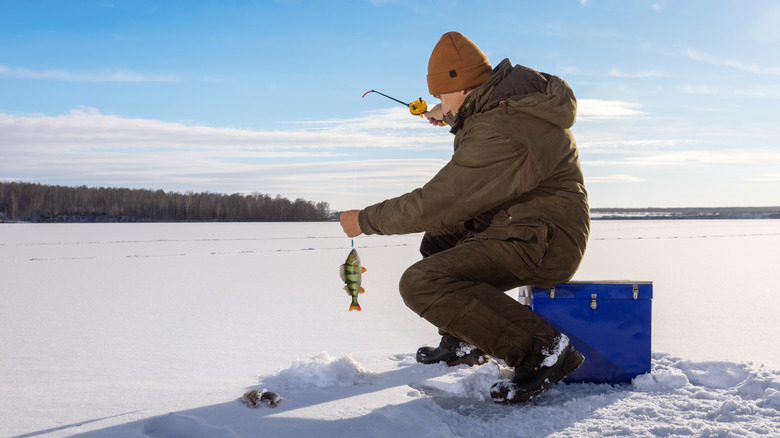
In the region around Yakutsk, Siberia in Russia, temperatures have dropped as far as -90 Fahrenheit and are regularly -50 Fahrenheit. While outdoor winter farming isn't a realistic option in Siberia or the Yukon during winter months, that doesn't stop locals and tourists from having fun. Ice fishing, dog sledding, and visits to steam rooms are all popular entertainment in both locations. These areas also know how to take advantage of their short growing seasons. They often grow cold-tolerant crops like turnips and warm the soil using manure or tarps. Similar strategies of gardening using black tarp are popular in other colder regions as well, which can help extend the growing season for your plants in the winter.