

18 Garden Pests The Old Farmer's Almanac Can Help You Identify
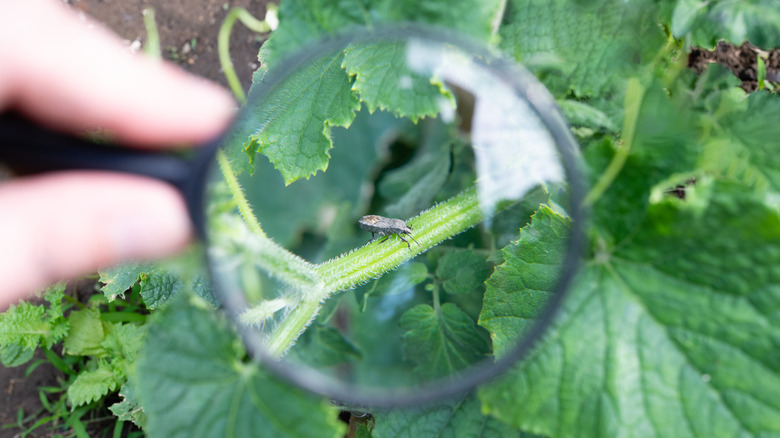
While insects like butterflies and bees play a vital role in the garden, helping to pollinate flowers, there are other small invaders, such as aphids or white flies, that do more harm than good. It's sometimes hard to know which pest might be eating your roses, tomatoes, or hydrangea. The Old Farmer's Almanac has a helpful guide on its website for identifying some of the most common problem insects in the garden.
There seems to be no end to the number of bugs that want to eat flowers and vegetables, including Japanese beetles, cutworms, and cabbage loopers. Some of them, like the Colorado potato beetle, might only target specific kinds of plants, while others, like stinkbugs, might not be picky at all about where they feast. Some of these annoying intruders do more than just damage your favorite plants. Sometimes, they even kill them, especially if you have the sneaky squash vine borer in your vegetable bed. So the stakes couldn't be higher.
Depending on the pest, you can try knocking or picking them off your plants by hand. You might also regularly prune away infected parts of the plant as a good defense strategy. Attracting predators like solitary wasps or ladybugs into the garden to eat unwanted bugs can also help. As a last resort, there are always chemical insecticides or even certain kinds of soap. Properly identifying the leaf-chewers will help you decide which technique might work best. We've gathered the Almanac's 18 most common garden pests.
Soft-bodied aphids suck the life out of many plants
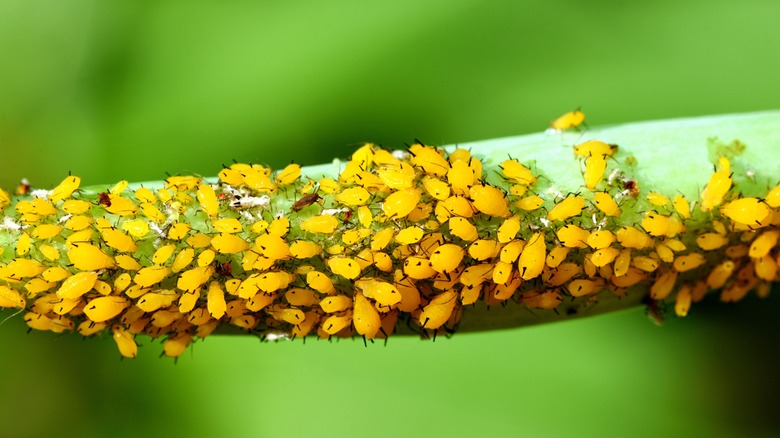
The soft-bodied aphid can be black, white, green, yellow, or pink and will attack almost any plant. Roses and sunflowers rank among their favorite plants, attracting aphids to your garden more than others. Aphids are small (less than a quarter of an inch long), so they can be hard to see. Look for signs of yellowed, misshapen leaves or a sticky residue. As they suck out the sap from stems, these bugs make a trail of "honeydew" waste.
Green cabbage worms live up to their name
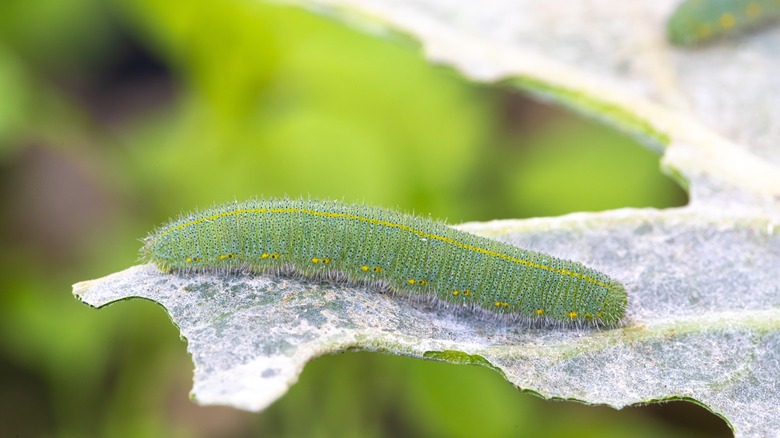
Nobody wants to find big holes in vegetable leaves left by the green cabbage worm. They often eat cabbage or broccoli, and they're more dangerous when they feast on young sprouts than on mature plants. Cabbage worms can be identified by their green coloring (thus, their name) and often a faint yellow stripe. Don't confuse them with cabbage loopers that look similar, though. Watch how it moves to tell the difference. If it raises up its body to inch forward, that's a looper. If it doesn't, it's a worm.
Beware the not-so-friendly neighborhood spider mites
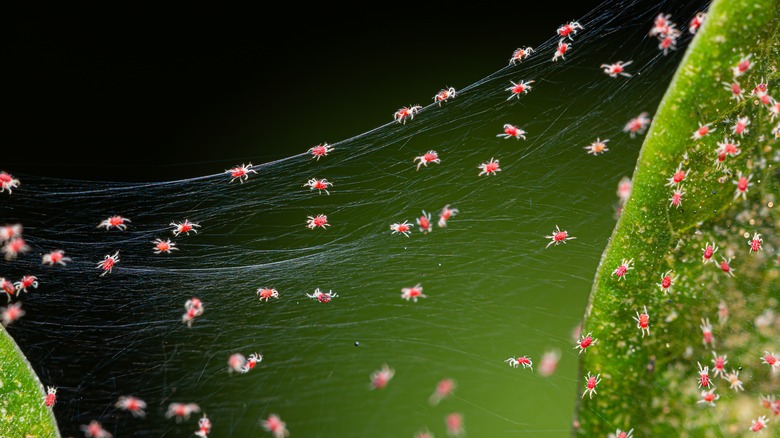
Spider mites are tiny arachnids, often less than ¹⁄₅₀ of an inch long, that come uninvited into the garden. They don't eat flies like spiders, but they do munch on plants. Often, you'll know they're in your garden when webs appear on foliage, making it look dusty, especially underneath leaves near stems. They're so tiny, you might think they're flecks of pollen. To know for sure, try shaking some off on a piece of paper and then watching to see if any of them move.
Don't let leaf miners dig into your plants

Leaf miners are a broad category of pests, but most of them look mostly the same as larvae. These little worms dig into leaves and eat a path through the middle. You'll know you have them when you see the telltale white, translucent trail or tunnels they make through leaves. Getting rid of leaf miners is no easy task, but early detection can be key, so make sure to get rid of any damaged leaves early in spring. You might also consider removing any weeds nearby that attract the pests.
Iridescent Japanese beetles make quick work of roses
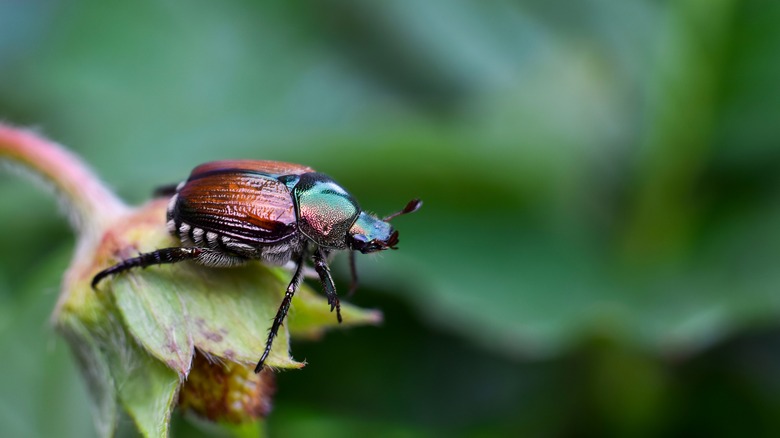
Anyone who's battled Japanese beetles on their roses knows that these bugs can be a serious pest. The half-inch insects have unmistakable, shiny, light brown backs and iridescent, metallic blue or green heads. They start as grubs in spring, and soon mature into adult beetles by June. This bug's small white grub often damages grass roots and lawns, and the adults have special eating patterns. Look for skeleton leaves, where only the veins of the leaves remain, but keep an eye out for the beetles themselves, too.
Know slugs by their slime trails
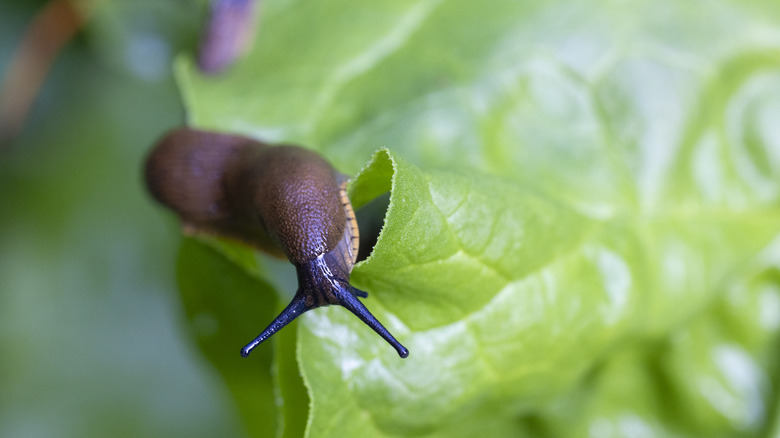
Every gardener deals with slugs at some point or another. It's no wonder, since the typical garden might have 15,000 of them at any given time, according to the Almanac. This relative of the ocean mollusk loves to dine on the broad leaves of beans, lettuce, choy, or tomatoes. Since they feed at night, they might be hard to catch in the act. Slugs also leave a slime trail along the plant or even in the soil beneath as they drag themselves across, so look for goo on leaves for a sure sign.
Earwigs are found in the garden, not your ear
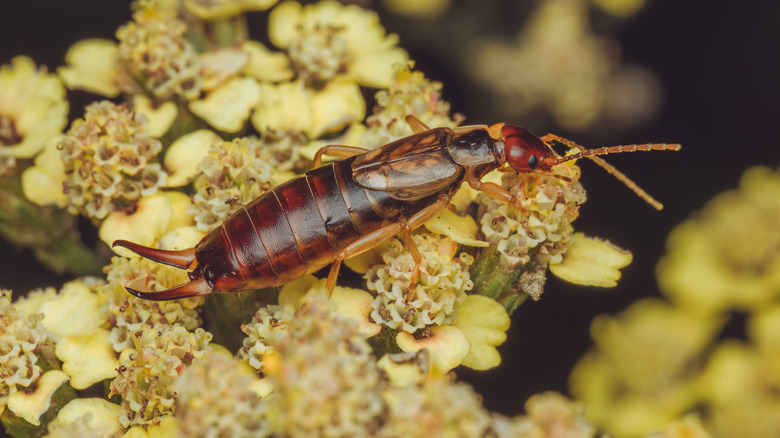
Earwigs look fierce, with their big rear-end pinchers, but these reddish-brown insects don't bite humans. They're mostly foragers who will eat dead leaves or bugs. They're fast-movers who actually have two sets of wings but will rarely fly. They do eat a variety of plants, which can sometimes be mistaken for slug damage, minus the slime trail. If you want these creepy bugs out of your yard, try the newspaper trick that can help keep the pests from eating your garden.
Watch for signs of the striped Colorado potato beetle
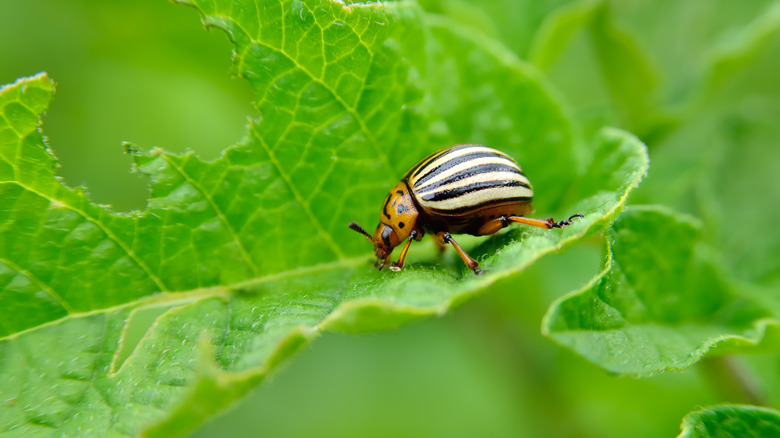
Holes gnawed into the leaves of your potato plant may be the fault of the Colorado potato beetle. The good news is that this unique-looking bug is easy to identify. Just look for black spots on an orange head and yellow stripes on its back. While these bugs prefer potatoes (thus their name), they go for any plant in the nightshade family, so look to stop pests early. Check underneath leaves for orange eggs and pick them off before the hungry orange larvae hatch.
Leafhoppers come in a variety of colors
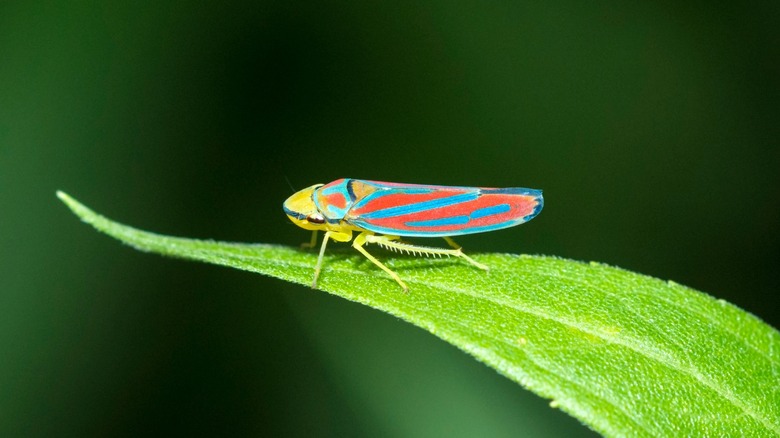
Leafhoppers might be some of the prettiest pests in the garden. They come in vibrant colors, including the blue and red striped pattern of the candy-stripped kind with neon yellow legs. Other types might be solid green. Despite their cheerful colors, they do a fair amount of damage to potatoes, roses, grapes, and other plants. These small pests can carry aster yellows disease, which affects carrots and lettuce. That's a lot of trouble from a quarter-inch-long bug.
Identify spittle bugs by their telltale bubbles

Sometimes it's hard to see the actual spittle bug, but it'll be encased in foamy bubbles that look a lot like spit. They feed on just about anything, from flowers to trees. Their telltale foamy, bubbled casing is created by a larva as it eats leaves. It oozes bubbles, which gives it camouflage to hide from predators. The bubbles have an added benefit of keeping them comfortably moist in dry conditions. The good news is that spittlebugs don't tend to overwhelm plants, so they do relatively little damage. They're more gross than anything.
You'll know armyworms by the damage they leave behind
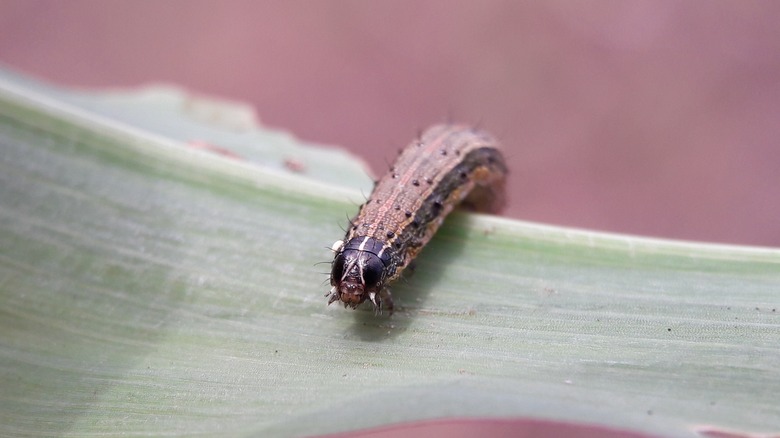
A nuisance to turf everywhere, the army worm often leaves yellow or brown patches of grass behind. You'll know you've got an armyworm infestation in the lawn when, overnight, a bunch of drought spots appear despite decent amounts of recent rain. Some kinds of armyworms attack crops like corn and wheat, too. They can be green, white, or brown, and typically have a fine yellow or white line across their backs. Pour soapy water on lawns with suspected infestation to be sure. Then you'll need an insecticide.
Fungus gnats attack indoor plants
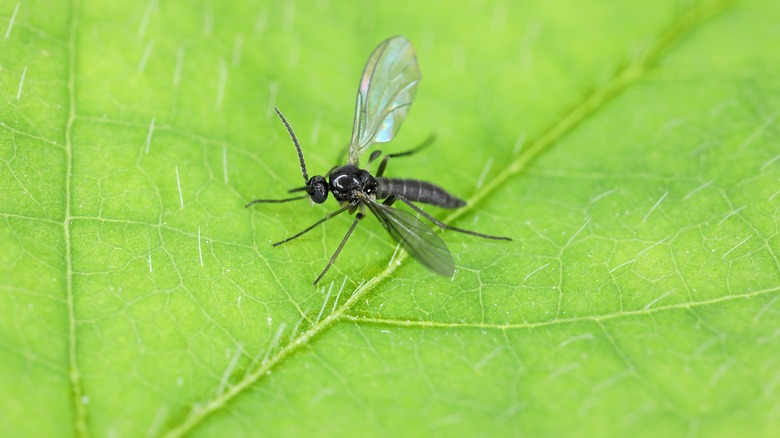
Much like fruit flies, fungus gnats can be a bothersome indoor pest, but they typically target houseplants. This flying bug is very small, about ¹⁄₁₆ to ¹⁄₁₈ of an inch long, and typically has a black body and translucent wings. Fungus gnats stick pretty close to their potted plant home base, since they're not very good in the air. To test whether you've got a problem, try sinking potato wedges into the soil, which will attract larvae. Then, you can pluck the pieces out and look for larvae underneath.
Cutworms cut sprouts beneath the soil
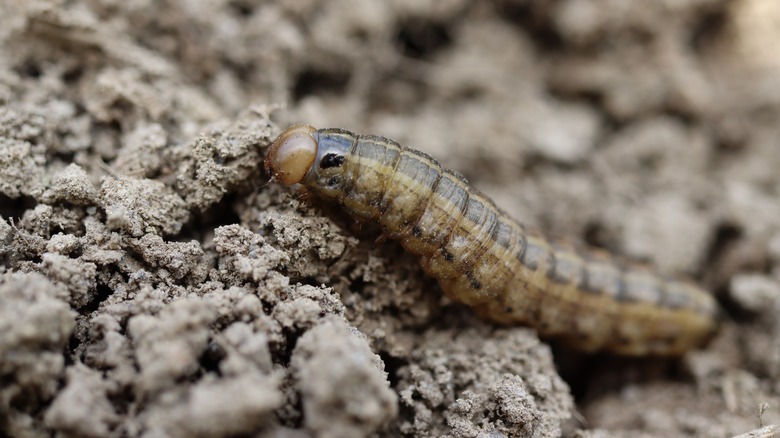
You've done the hard work of planting vegetables. Then, one day, you find the sprouts cut off at the base and lying dead in the garden. Before you blame a rabbit, know that the cutworm might be the culprit. This small caterpillar comes in a variety of colors, including green, brown, or pink, with stripes or dots. These worms curl up around a young stem and eat it straight through until the sprout falls like a chopped tree. Try the toothpick trick that can protect young sprouts from hungry cutworms.
Swarms of whiteflies target warm-weather gardens
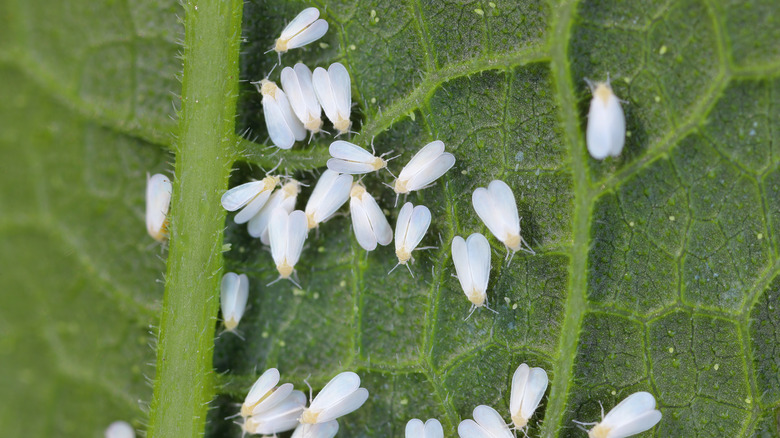
Whiteflies look just like their name: White bugs with white wings, but technically, they aren't related to flies. You're more likely to see these warm-weather bugs in mild climates since they can't survive winter outdoors in zones lower than 7. Whiteflies feed on the leaves or stems of several plants, including flowers, perennials, and your beloved veggies. Like aphids, they can leave a sticky residue behind as they feed. This residue attracts mold, so it's best to keep an eye out for the flies before they become a problem.
Know fire ants by their bites or damage to your vegetables
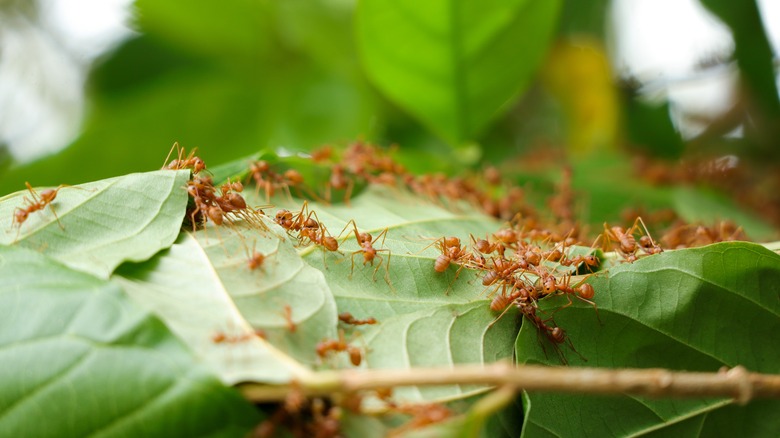
No one wants bites from the dreaded fire ant, which can swarm a gardener's ankles in southern regions of the U.S. and leave painful welts. But these painful pests can be a problem for plants in the garden, too. While they might prefer greasy food remnants, they'll also eat the budding flowers of potato or okra plants. While they're typically less than ¼ of an inch long, a mound of them can be a painful problem that you may need to use baits to get rid of.
Look for the white furry signs of mealy bugs
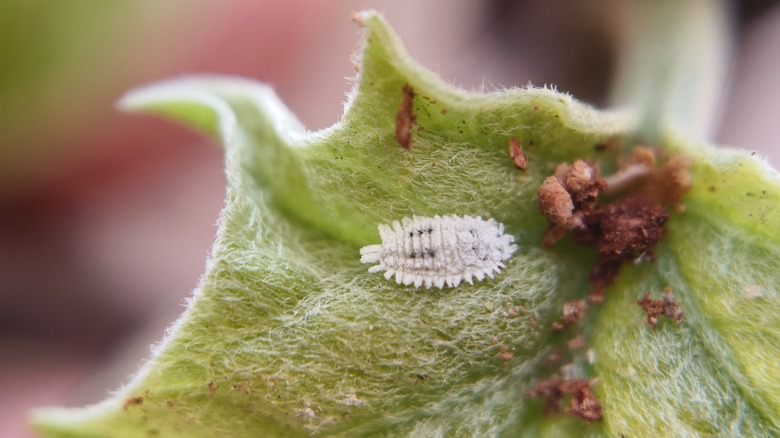
Mealy bugs are soft-bodied insects that love to drain the sap out of plants. These small pests with a fluffy coating might be easy to miss, but they reproduce quickly and can take over your garden. They leave a sticky trail when they eat, like aphids, and ants or even bees will drop by to snack on it. Mealy bugs can become a problem in confined spaces indoors or inside greenhouses as well.
Identify stink bugs by their shape and smell

We know stink bugs smell bad when they're crushed, but if you let them run wild in the garden, they can also damage your plants. They tend to view your garden as a buffet, snacking on a wide variety of plants, including fruits, vegetables, flowers, and even weeds. Stink bugs can look like other bugs, but you'll know them from the marbled or textured backs or abdomens. Their bodies tend to have a shield-like shape. Make your garden friendly to predatory insects to keep their numbers down.
White, small pests could be squash vine borers

Guard your squash plants against the squash vine borer. The small white larva of a clearwing moth digs into the stem, often killing the plant. Larvae grow to be an inch long, recognizable by their white bodies and brown heads, but you're more likely to see their damage than them. They're hard to kill, especially once the borer takes up residence inside a stem, so prevention is often best. Plant squash early so they are established before these pests hatch. Also, try rotating squash crops to prevent an infestation from taking hold.