

12 Houseplants That Can Help Clean Mold And Improve Your Home's Air Quality

Did you know that the beautiful houseplants that improve the decor of your home may also actually be making the air cleaner? Some indoor specimens can help scrub the air of harmful chemicals and even help absorb mold — which is especially great if you happen to spend a lot of time inside. Luckily, there are at least 12 potted plants that can behave as all-natural air purifiers in your home.
First, let's look at the science behind the phenomenon. A famous NASA study conducted by Bill Wolverton in 1989 found that some potted plants could improve air quality in enclosed spaces, like a space station. Specifically, the study found that some varieties helped scrub the air of certain chemicals like benzene, trichloroethylene, and formaldehyde. Known as volatile organic compounds or VOCs, they can be bad to breathe and come all kinds of sources inside our homes — like fumes from paint, upholstery, or wood finishes. Lady palm, English ivy, peace lily, and many others reduced these pathogens from the air. A further study from Wolverton in 1996 found that houses with indoor plants had 50% less microbes than homes without.
Research from professors at Alexandria University also found that certain plants, including ficus and snake plant, absorbed mold spores and even bacteria from an indoor environment. Of course, a serious mold problem likely can't be solved by greenery. In those cases, consult a local expert. But if you're just hoping for cleaner air quality, then consider adding one of these houseplants to your home.
'Alii' ficus helps clean the air
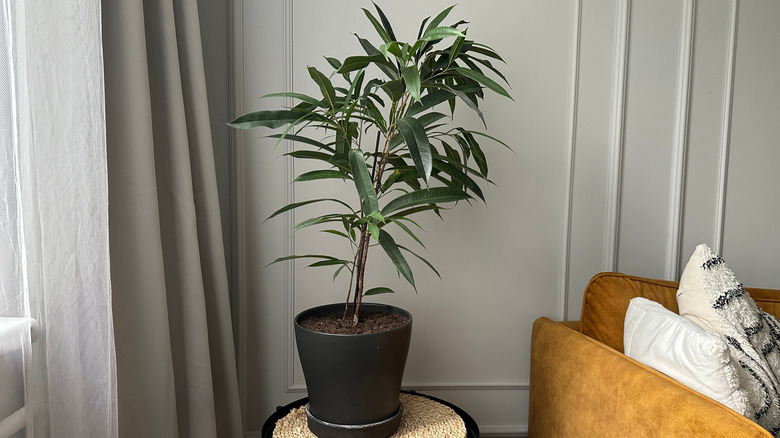
Long leaf fig, (Ficus maclellandii), also known as a banana leaf fig tree, has been shown to absorb some mold spores and bacteria from the air. The most common cultivar is the 'Alii' ficus, which often has a braided trunk. To get the best use of its air-cleaning ability, don't put it in direct sunlight. It prefers full or dappled shade and indirect light. You might need a roomy spot for this plant as well since it can grow up to 10 feet tall.
Breathe free with an areca palm
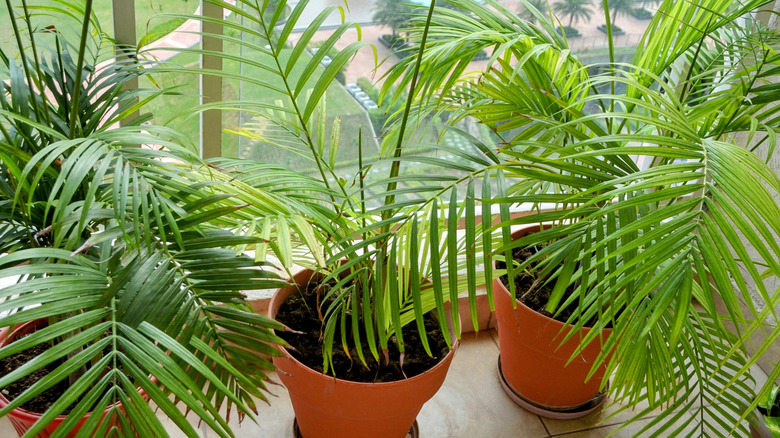
Purify your home's air with the addition of one popular type of houseplant, the areca palm (Chrysalidocarpus lutescens). Studies have shown it absorbs mold, bacteria, and even traces of ammonia into its leaves. This works partly because the areca palm creates transpiration –that's when it gives off vapor from its leaves creating a kind of current, which then carries chemicals in the air right into the microscopic holes in its foliage. This tropical perennial will thrive in direct sunlight or partial shade.
Clean mold and other contaminates with a peace lily
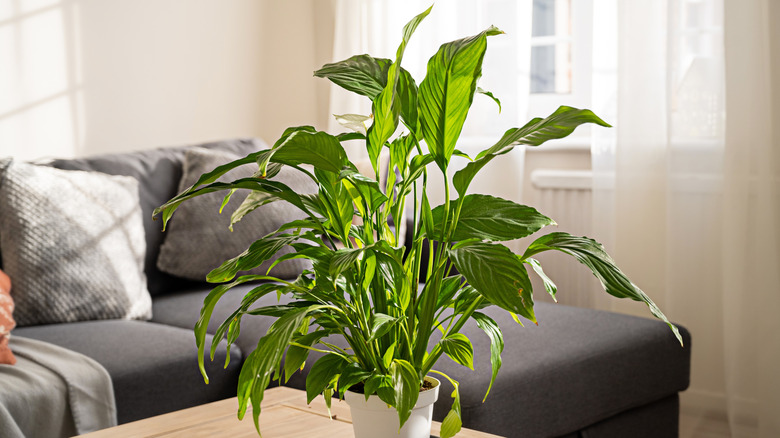
If you want to breathe easy, then add a peace lily (Spathiphyllum spp.) to your indoor decor. Not only does it absorb mold floating around in the air, but it's also been known to filter out benzene. That's a harmful airborne chemical that comes from cigarette smoke, car exhaust, and cleaning sprays. The peace lily helps reduce its negative effects, especially for people with asthma who might be more sensitive to the chemical. To keep it healthy, give peace lily a big pot and extra room for roaming roots.
Help reduce mold spores with a corn plant
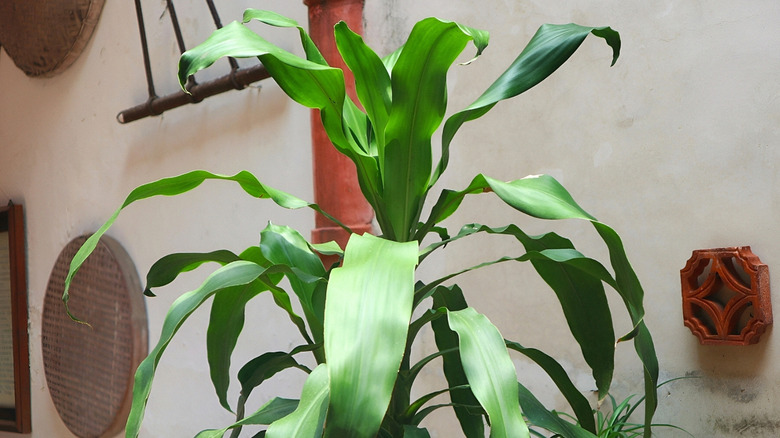
The 2021 Alexandria University study found that corn plants (Dracaena fragrans) help rid the air of mold spores and harmful VOCs like benzene, xylene, formaldehyde, and trichloroethylene. If that sounds like a mouthful, try breathing those chemicals, which can lead to lung irritation and may even increase chances of some kinds of cancer. Of course, levels of these chemicals are typically low inside most homes, but they can be even lower with the addition of this houseplant. Don't put a corn plant in direct sunlight or you could burn its leaves.
Filter the air with a dumb cane plant
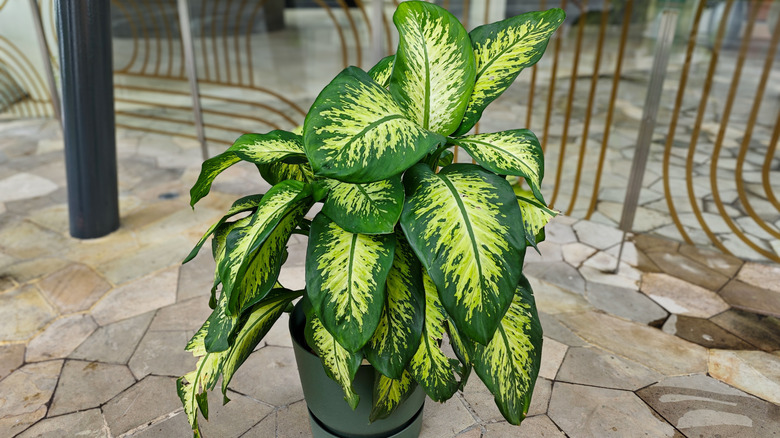
A dumb cane (Dieffenbachia seguine) will give you better air to breathe. It helps clean mold spores and other pathogens from the environment. It also will cut down on levels of toluene, which is used in fingernail polish, paint thinner, and rubber, and can be toxic. If you want to keep the plant in tiptop shape to clean your air, ensure its environment is nice and humid. Dumb cane leaves turn brown and become less effective filters if the air is too dry.
The no-fuss golden pothos helps reduce mold
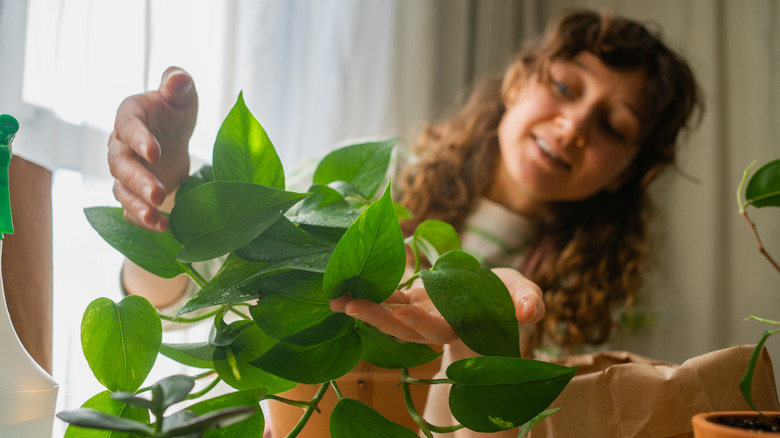
Add some beauty to your home and remove some mold from the air with the no-fuss golden pathos (Epipremnum aureum) houseplant. This vining broadleaf, also known as devil's ivy, is a workhorse when it comes to cleaning the air. This quick growing vine can cover a wide area, and if you set it up high or in a hanging basket, the vines can even grow to 40 feet long. If you want to keep its air filtering powers set to high, wipe off dust from its waxy leaves now and again.
Improve air quality with English ivy
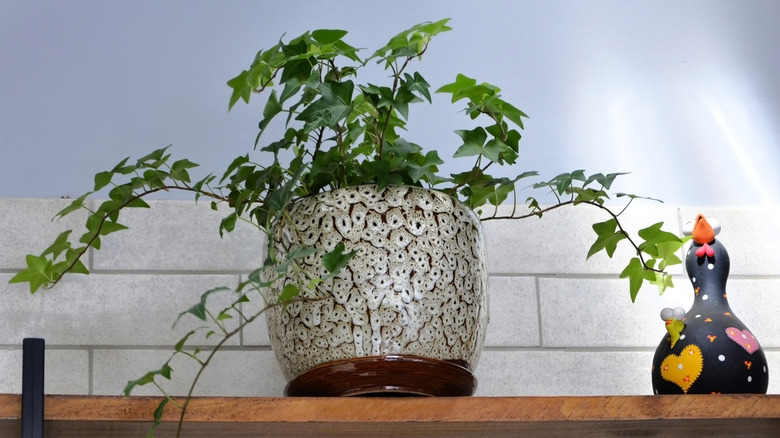
While English ivy (Hedera helix) can be an invasive pain in the yard outside, a container-bound version inside can help rid the air of toxic chemicals. Just make to give the plant well-draining soil and lots of air circulation. NASA researchers found that plants where roots got more air did a better job of absorbing contaminates like formaldehyde from the air – it's a known carcinogen emitted from wood finishes, insulation, and other common household items.
Spider plants clean up
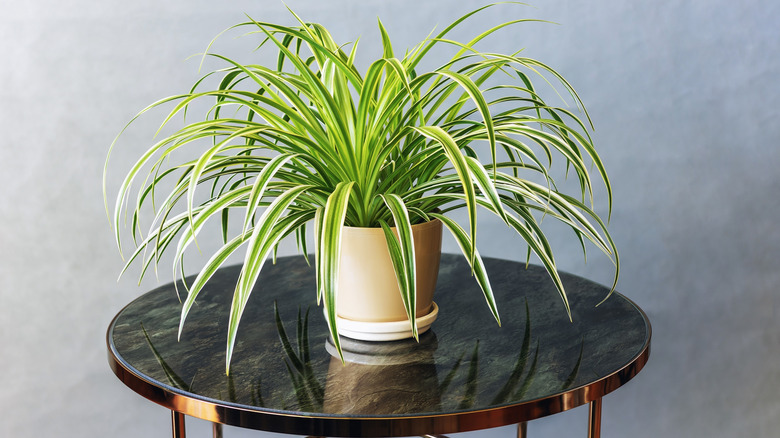
For cleaner air, reach for the low-maintenance spider plant (Chlorophytum comosum). It's a champ at sucking in and trapping bad airborne chemicals, but remember — to really make a substantial difference in your home air quality, you'd probably need more than one. Keep this popular houseplant thriving through the winter by making sure it's got enough humidity and the soil drains well. Since you'll be inside more during the colder weather, you'll likely want it to clean more microbes out of the air.
Croton plants clean mold spores from the air
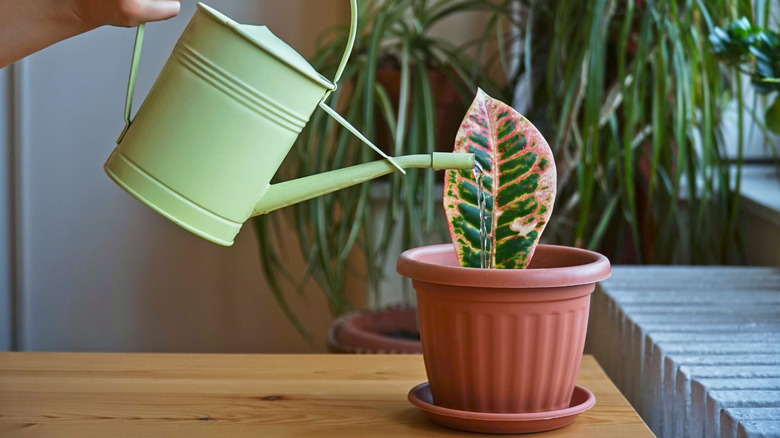
The common croton (Codiaeum variegatum) houseplant loves to filter the air. Its yellow and green broadleaves cut down on mold spores and filter VOCs. To keep the plant at its air-scrubbing best, put your croton near a sunny window. It also likes air humid, so you might even want to mist its foliage often. These plants like lots of water most of the year, except in winter. This plant doesn't just help make the air cleaner to breathe, it also helps increase humidity in your house, too.
Take deep breaths near the umbrella plant
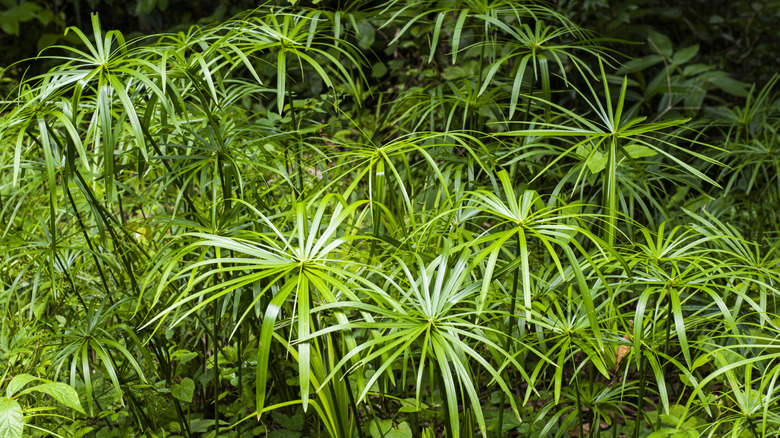
Umbrella plant (Cyperus alternifolius) in containers inside can help you breathe healthier air. This tropical narrow-leafed plant often grows to be about 4 feet tall and helps clean mold, bacteria, and bad VOCs. When planted outside, this member of the Cyperaceae family can even absorb pollutants from the dirt. Just make sure to tuck it into neutral or slightly acidic soil if you want to give it the energy it needs to be a natural filter.
Slice through germs with the arrowhead vine
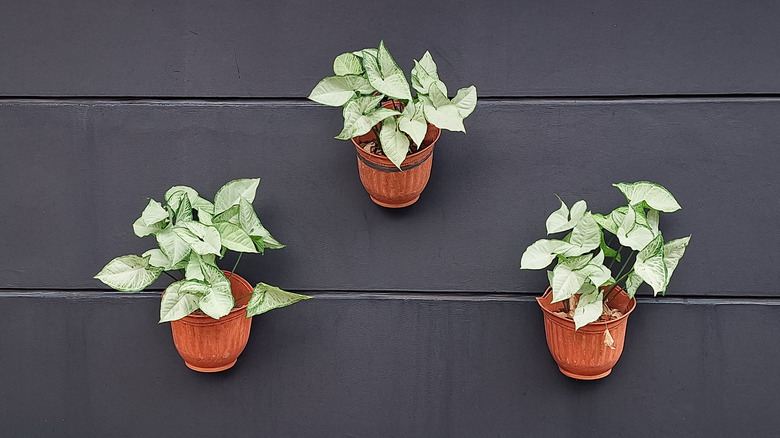
Cut back on mold and other germs inside with an arrowhead vine (Syngonium podophyllum). This plant doesn't just absorb harmful particles, it can also release anti-microbials that can kill airborne bacteria, fighting the clean air battle on two fronts. Arrowhead also absorbs more than its fair share of carbon dioxide, too, making the air you breathe inside your home even fresher. Add this plant to the list of the highest oxygen-producing houseplants.
Lady palm will get busy filtering
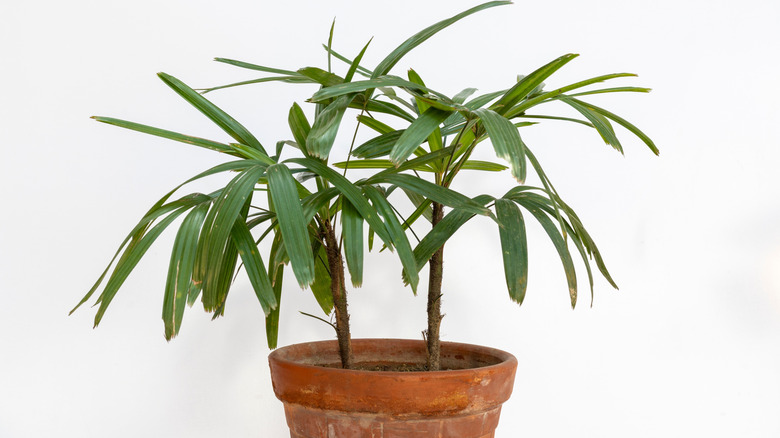
To reduce airborne mold spores, look to the lady palm (Rhapis excelsa) — also known as the bamboo palm tree. It works overtime absorbing them and other harmful particles in the air, such as xylene, which is often found in glue or products like caulk. Lady palm is easy to grow and fairly no-fuss. Unlike many other tropical indoor plants, it doesn't mind being set by a drafty door or window.