

When To Apply Weed Control For A Greener Lawn This Winter
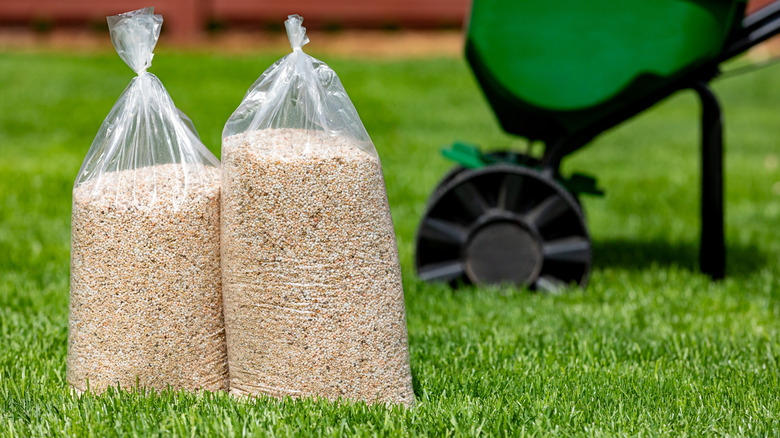
Winter might mean brown grass and more weeds in the spring, but it doesn't have to. For lawns in milder climates that tend to stay green year-round, apply weed prevention at the right time. That means doing it in the fall, when temperatures have cooled and before this generation of winter weeds really gets going. An ounce of prevention is worth a pound of cure when it comes to dealing with chickweed, bluegrass, or henbit. Since the weeds germinate in the fall and sprout in December or January, preventative treatments are best applied in late autumn before these intruders get a real foothold.
Applying pre-emergent herbicide is the most effective method if you first know what kind you're dealing with in your yard. Commonly found plants include broadleaf varieties like henbit or grassy ones such as bluegrass. Know that specific types will need a certain kind of weed killer. Broadleaf varieties tend to respond better to the chemical dinitroaniline, while glyphosate or quinclorac are ideal for grassy weeds.
The best plan of attack usually requires laying down some preventative chemicals once the summer heat has faded, which disrupts the development of these annual nuisances early in their cycle. If you use them later, after they already appear, it won't do much good. Though, it's true that a few pre-emergents, including those that contain dithiopyr, might fight young sprouts to a certain extent. To keep lawns healthy and green, many homeowners combine weed and feed treatments in early autumn, adding both weed inhibitors and fertilizer to the lawn at the same time. If you plan to seed your grass, however, leave out preventative treatments, since pre-emergents can stifle them, too.
How to treat your lawn to prevent winter weeds
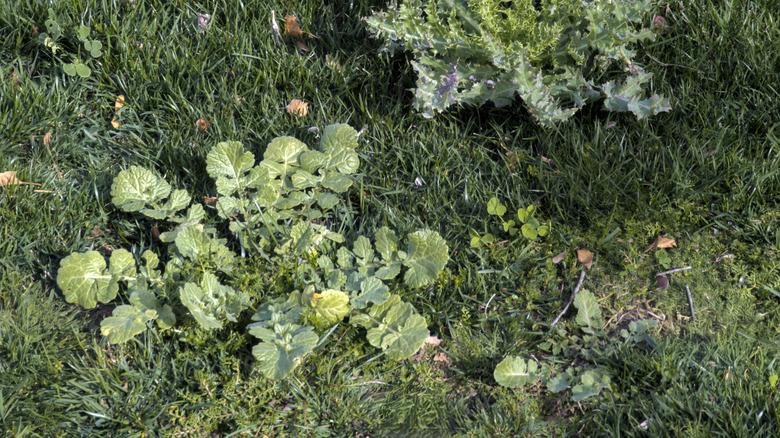
When using pre-emergent herbicides to fight winter weeds, timing is critical. The temperature can be the key indicator of when to roll out the treatment. Wait until nights cool down to 70 degrees Fahrenheit or lower in the fall before applying them to your yard.
Often, you can get these lawn additives in granular form, which you can lay out through a spreader or dispense by hand. Apply your weed control across the grass vertically in rows, and then come back horizontally, making a checkerboard pattern for the most coverage. Typically, these treatments need moisture to work, so either make sure that rain is in the forecast after applying, or simply water the lawn. Preventative weed control is safe to use on most kinds of grass — but avoid sprinkling it on lawns that are less than a year old.
If you're late in applying pre-emergent chemicals, you can still treat any unwanted plants that arrive in the winter. Spot treat with a post-emergence herbicide as needed. Keep in mind that there's no one-size-fits-all plans when it comes to weeds. You may have to experiment with different strategies and chemicals in order to get winter varieties under control, and it's possible you'll need a combination plan to fight them both before they sprout and after in order to stop weeds from taking over the yard.