

12 Outdoor Plants You Should Take Cuttings From Before Winter, And Why
We may receive a commission on purchases made from links.
Even with cooler weather on the way, it's never too early to think about new flowers next spring. Now might be the best time to propagate your favorite plants outside. You can turn your house into a nursery by growing sprouts indoors that will be ready to move outdoors next spring. And the best way to do that (for certain types of plants) is by taking cuttings.
It's a far cheaper alternative than heading to the garden center for more plants when the weather warms. Plus, taking cuttings before winter acts as a nice insurance policy, especially if cold or fluctuating temperatures cause heaving in flowerbeds that end up killing a beloved plant. Often, hardwood or semi-woody perennials offer the best results in fall. Stems of your favorite woody hydrangea shrub or dogwood are great candidates. Herbaceous flowers, like geraniums, can also be a good choice.
You don't need a special greenhouse or special incubator, either. In fact, all you need are some sharp clippers, a tray, some soil, and rooting hormone, which can help your cuttings grow roots faster than they would otherwise. Try Hormex rooting powder, which comes in different versions depending on the kind of plant you want to propagate. Just dip the cut end in the powder and then tuck it into your container of soil. The soil should stay moist, but not waterlogged. Then, keep your plant away from direct sunlight until the roots really take hold. You'll know the sprout has grown a decent set of roots when you try to gently tug the plant and the stem doesn't come loose.
Grab cuttings from hydrangeas before they wilt
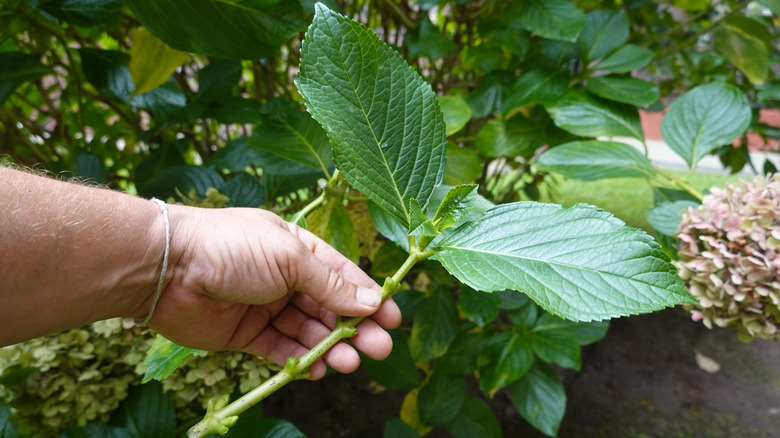
Take cuttings from your favorite hydrangea before it goes dormant for the winter so you can start growing a new sprout indoors. Cuttings might be the best way to propagate a hydrangea paniculata, among many other varieties as well. For best results, take a trimming when the perennial woody shrub is still green and growing. Pick a branch with heathy leaves that failed to bloom in the season. Remove the lower leaves to direct the plant's energy to produce roots. Don't forget to dip into rooting hormone before you put it in dirt.
For pretty blooming dogwood next year, cut stems now
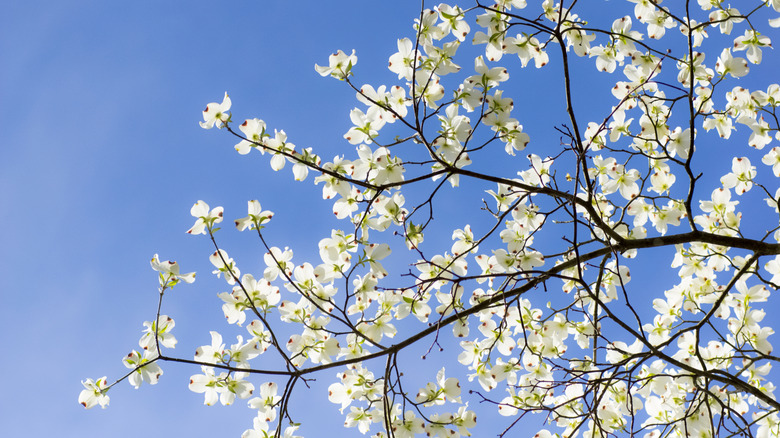
For more pretty dogwood (Cornus spp.) blooms next year, propagate it in the fall. Dogwood shrubs and trees are notoriously tough, and they can be dependable bloomers in a variety of climates since they tolerate USDA Plant Hardiness Zones 5 through 9. Their white flowers attract butterflies and other pollinators in the spring, and their pretty red bark stems brighten the yard in the winter. The interesting thing about dogwood is that you can just drop your cutting into a glass of water, and wait for it to grow roots.
Rosemary cuttings will grow in a jar of water
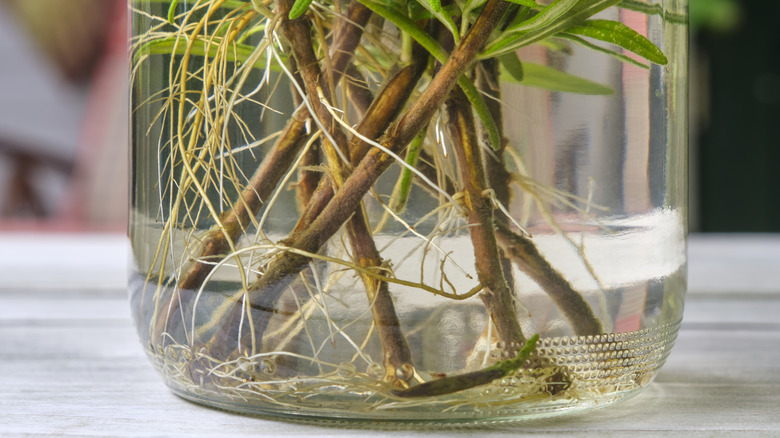
Rosemary (Salvia rosmarinus) will also grow roots in water. It's the most novice-friendly way to propagate this evergreen shrub known for its aromatic leaves often found in poultry recipes. Rosemary stems will grow roots in about two weeks dipped in water — around twice as fast as cuttings put in soil. You won't even need to use rooting hormone. The water will do that work for you. Just make sure about a third of the stalk is covered in water. Remove any leaves that could get submerged.
Propagate white rock rose before winter
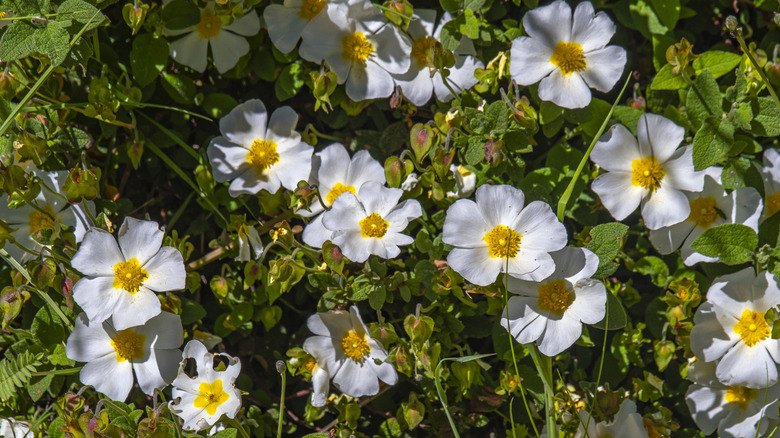
Before winter settles in, grab your shears and take a stem of the white rock rose (Cistus x hybridus). plant. This flowering shrub, usually found in warmer climates such as zones 7 to 9, is a no-fuss ornamental. It's drought-tolerant and can be propagated fairly easily by cuttings. Slice off a leafy stem without buds up to about 6 inches long. Pluck off every leaf except the top two before rolling it in rooting hormone and sticking it in your tray of soil.
Stems from azaleas will grow more next season
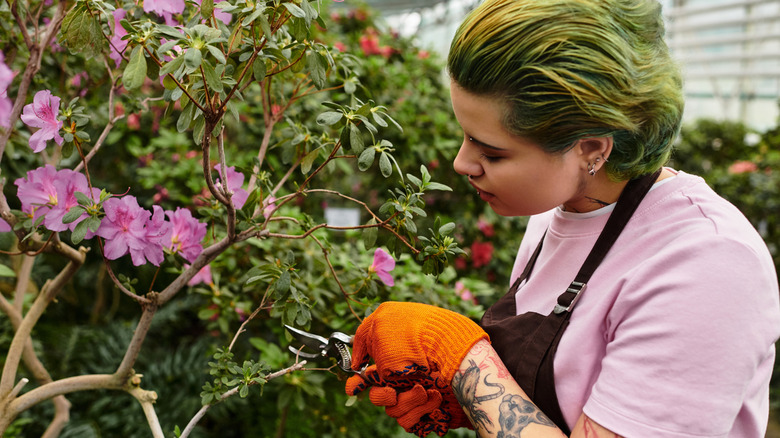
With the pretty white, pink, purple or gold Azaleas (Rhododendron spp.) who wouldn't want more of these woody perennials in your yard? Hardy in zones 4 to 8, these voracious bloomers can be grown from seed or grafted, but cuttings also work well. Taking a stem from this shrub by early fall will give you ample time to grow a new sprout before spring thaws frozen ground. Just pick new growth that's not too soft or too hard. Older, harder wood won't sprout roots as well, and softer stems are prone to fungus.
Manzanita trees love a fall cutting
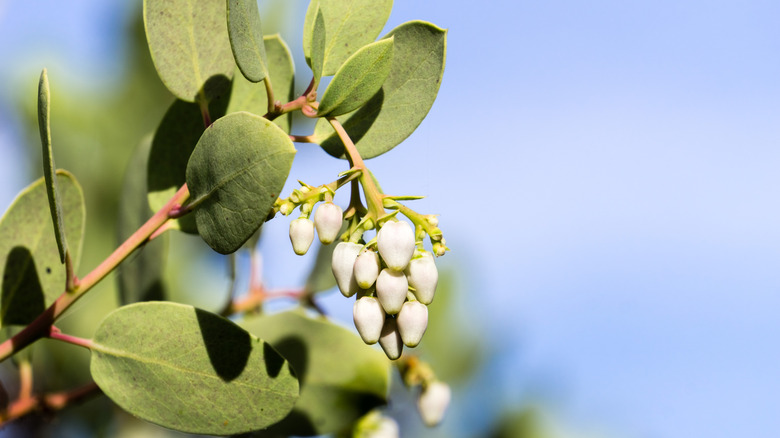
Native to California, the common manzanita (Arctostaphylos manzanita) shrub grows red berries in spring that birds love. You can take a cutting, but only on plants that are at least three years old. Manzanita likes soil on the dry side and hates wet roots. Since they need good drainage, avoid planting any cuttings in dense, clay soil. These can take a full year to really mature. Your new manzanita plant should be identical to the old. While daughter seeds can create slightly different flowers or plants, cuttings are a clone of the parent plant.
Red flowering current can grow more blooms
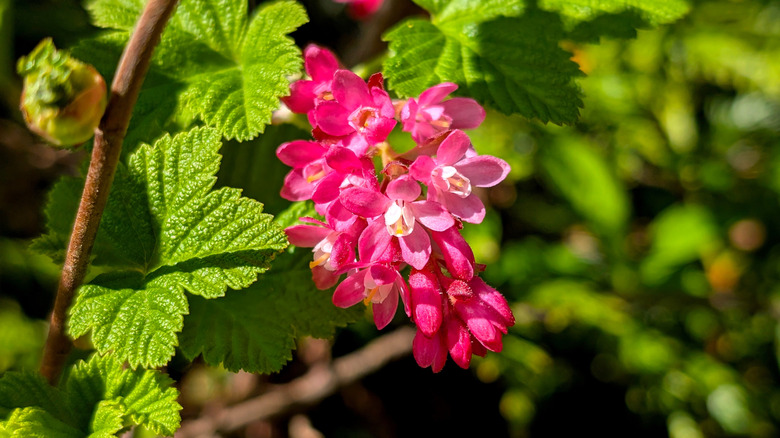
On the list of common red flowers you'll find in California, red flowering current (Ribes sanguineum) will be near the top. This broadleaf flowering shrub, hardy down to zone 6, can grow to be 10 feet tall. Grab the shears now to get a decent snippet of the plant. You'll probably also need to include a heel, or some of the older part of the plant, as well as new growth for best results. Rooting hormone is also important for this plant.
Mock orange will grow real flowers from cuttings
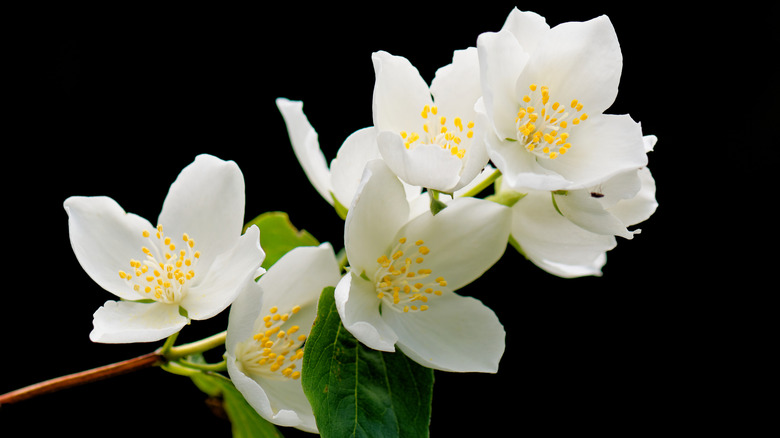
Fall is the best time to take a branch from your mock orange (Philadelphus inodorus) shrub so you can work on growing the stems in a tray indoors. Hardy down to zone 5, mock orange propagates fairly easily. It's always a good idea to take a few candidates, because not all will thrive. Also, remember to always use clean, sharp shears. Dirty shears can introduce problematic bacteria or fungus to the plant you're trying to clone. Diseased stems probably won't make it.
Cut stems from firethorn for more red berries next season
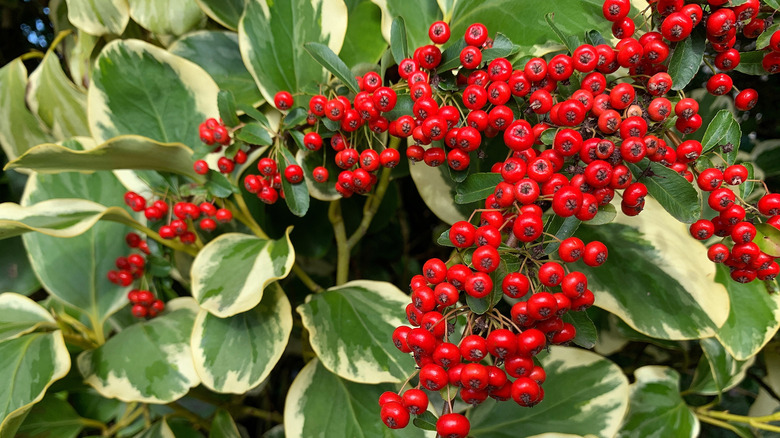
If you've been enjoying a firethorn (Pyracantha coccinea) bush in your yard and would like more ornamental orange or red berries, then grab a stem from this bush now. This relative of the rose makes a nice border shrub in most yards. Cuttings should be easy to grow in loam or sand. Know that it could take six weeks before you really see roots grow. They do like the air very humid, so you might want to cover them in plastic wrap to keep moisture from dissipating.
Propagate forsythia before winter
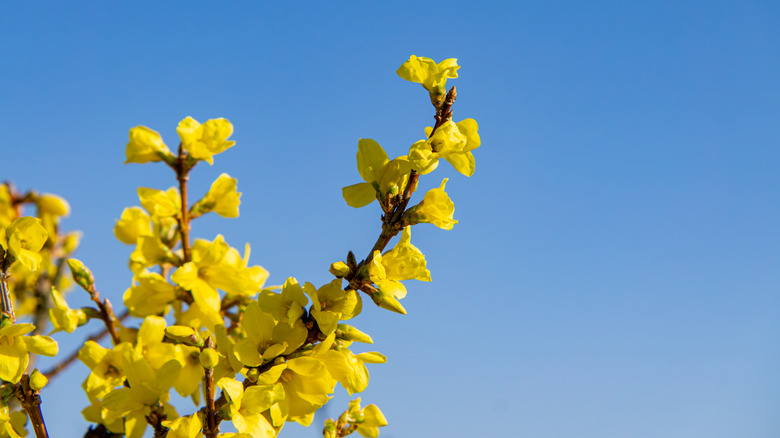
While the best time for softwood cuttings of forsythia might be early summer, you can still take a snip in early fall for mature semi-hardwood branches. This deciduous shrub calls the olive tree a cousin and is reliably hardy down to zone 5. Make sure you're overly generous with the rooting hormone, and cover the last 2 inches of the stem with it. After potting in well-draining soil, place near, but not directly in, sunlight.
Take Oregon grape cuttings before cold weather sets in
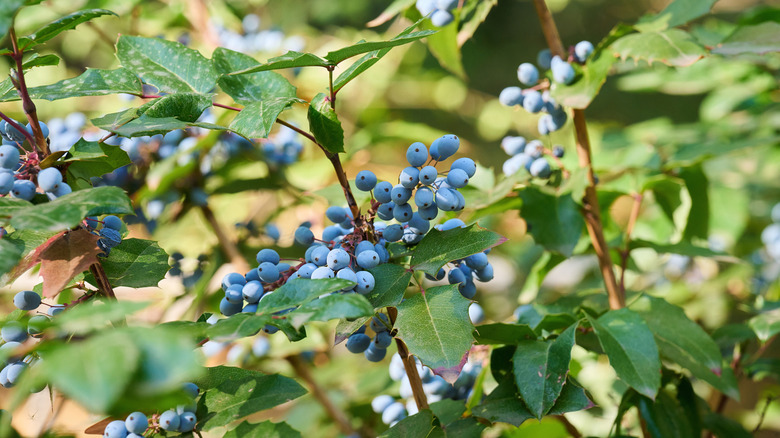
The beautiful ornamental Oregon grape (Mahonia aquifolium) bush, hardy down to zone 5, offers something for every season. You'll see pretty yellow flowers in the spring, small blue berries in the summer, and sometimes deep red or rust-colored leaves some shaped a little like English holly in the winter. Now's the time to think about cloning this versatile shrub. Semi-hardwood cuttings taken in late fall do well. Remember, you can propagate this plant by division, too.
Cuttings from geraniums save you money next spring
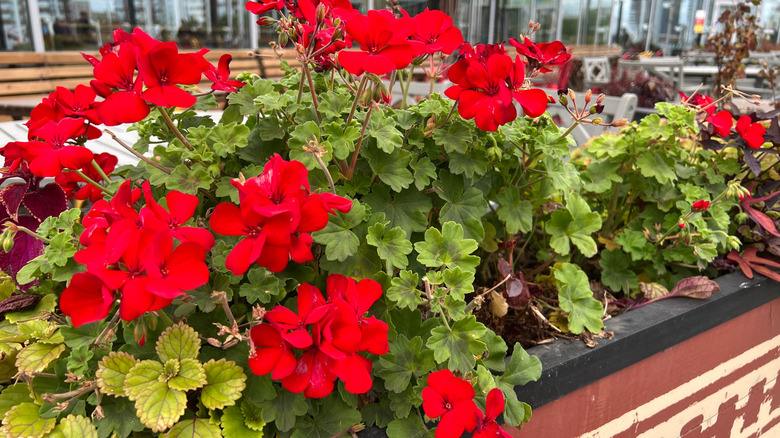
If you don't want to buy more geraniums (Pelargonium spp.) next spring, then go snip off a few leafy stems from your pretty flowers before cold weather sets in. You can take cuttings from herbaceous flowers like geraniums or dahlias during the fall or most any time of year. Bring the sprout indoors for a bright addition to your kitchen or living room. Once the weather warms, you can move the flower outside. Tuck your baby geranium in a jar of water to grow new roots, and then plant them in well-draining soil.