

10 Plants To Prune In December Before It's Too Late
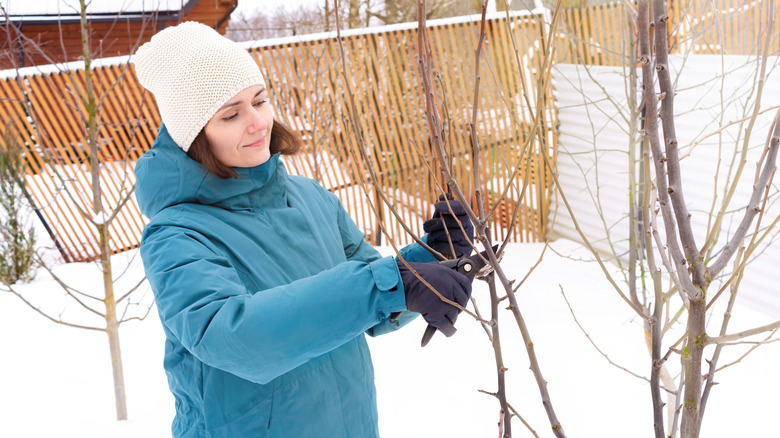
While spring may seem like the ideal time to prune your beloved plants, December actually might be the perfect month for trimming some favorites in the garden. When it comes to fruit trees, deciduous shrubs, and some kinds of roses, grab your shears now. Pruning in winter will keep them healthy.
There are many types of deciduous trees, including oak or birch. Unlike evergreens, they lose their leaves in the fall and head into a hibernation period in the winter. December is great time to cut back dead branches or overgrowth on these trees. Winter pruning can prevent breakage from heavy snow or brutal winter winds. Another great benefit of pruning these dormant plants now? You lessen the risk of a pest infestation or fungal or bacterial infection. Since many insects or microorganisms that can cause infections are hibernating too, there's less of a chance that they can take advantage of a fresh wound on a branch to sneak in and wreck havoc.
Evergreen shrubs and trees should be left alone in December, though. Since they grow all year round, and pruning encourages new growth, any new sprouts can be damaged by icy temperatures. Evergreens rarely need much pruning, anyway, so chances are good you can safely leave them alone. Most deciduous plants, however, that go dormant now could use your clippers this winter. Here are the top plants you should prune in December for healthier and more vigorous growth next spring.
Prune butterfly bush now for bigger blooms next spring
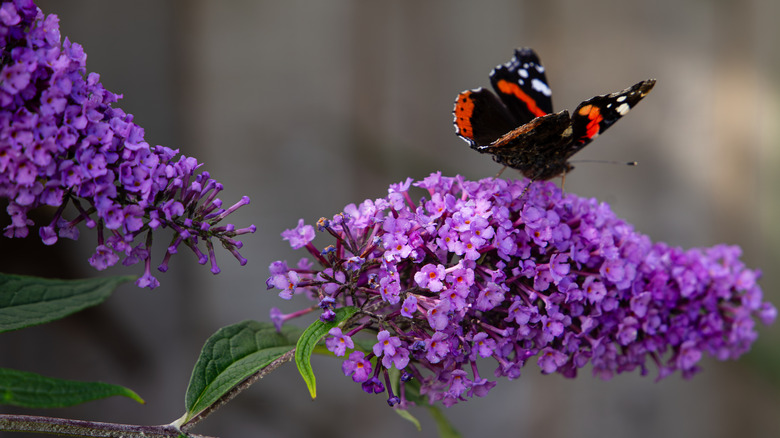
Friendly pollinators love the sweet-smelling blooms of the butterfly bush (Buddleja davidii). If you want a healthier plant for those birds, butterflies, and bees, then prune this perennial in December. However, there are evergreen varieties of the butterfly bush that tend to grow in warmer climates, so be sure to trim yours only if it's a deciduous one. If you live in a particularly cold climate, like USDA Plant Hardiness Zone 5, then you might not need to cut back this plant since it may die down on its own.
Trim oak trees in winter
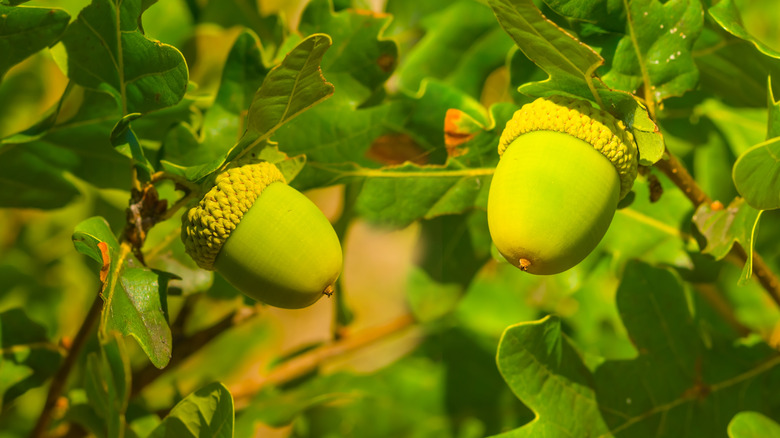
After squirrels have gathered all the fallen acorns from your oak tree (Quercus spp.) in fall, then think about getting those loppers out. After oaks go dormant is the perfect time to trim back dead branches or growth that's extended where it shouldn't, like too close to your house. It's better to prune them in December because you lower the risk of causing an outbreak of oak wilt. To reduce the chances of infection, you shouldn't trim oaks between March through October.
Prune wisteria twice a year, including once in winter
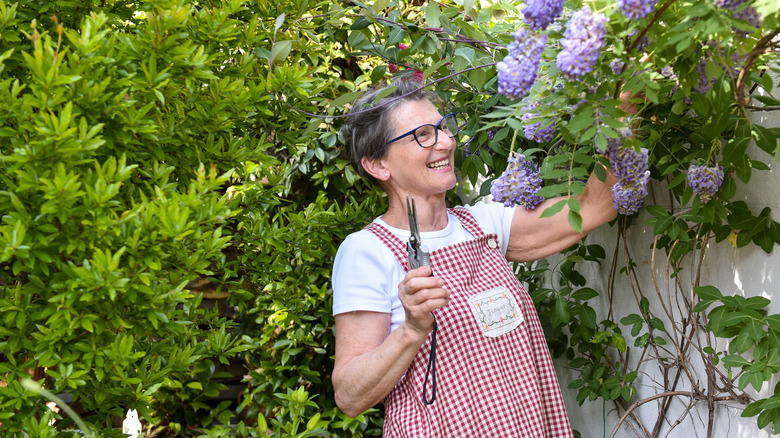
The fast-growing, flowering wisteria (Wisteria sinensis) vine needs to be trimmed at least twice a year, both in winter and summer, to help keep the plant from getting too cramped and susceptible to disease. Just be careful to properly dispose of any wisteria branches, and don't let pets play with them. Wisteria and dog poisoning is a real issue and it can make them sick if they ingest any part of the plant.
Apple trees could use your attention in December
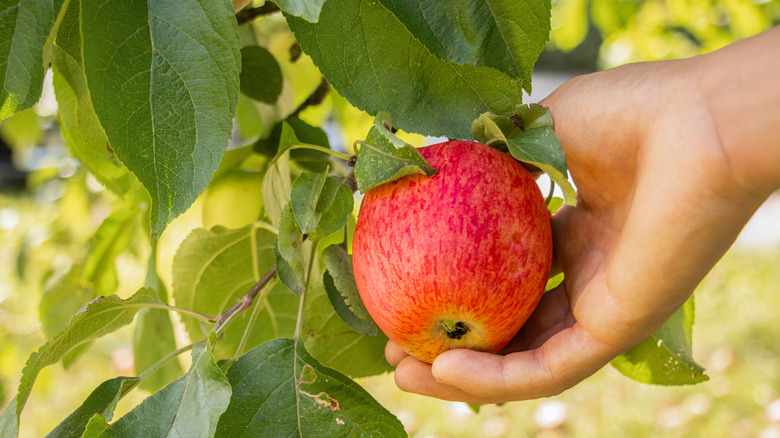
If you're lucky enough to have your own apple tree (Malus spp.) in your yard, then give those bare branches a trim this winter. Fruit trees in general are a safe bet to prune after the plant goes dormant. Use your loppers to untangle branches and also open the canopy a bit to increase airflow so that more flowers bloom. Then, your tree will produce more apples. Of course, younger apple saplings tend to need more work than older ones that are already trained to grow the way you'd like.
Shape your spice bush this winter
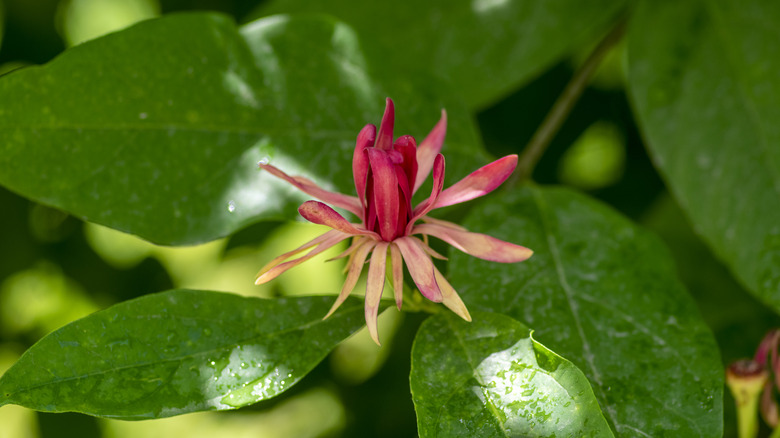
Normally spice bush (Calycanthus occidentalis) is a blooming shrub that usually needs little care, but if you want to, prune it this December. Trimming now can help keep this plant appear bushier. You can choose to train it to grow like a tree, or keep it more shrubby. Don't forget to use disinfected, clean tools when pruning any plant to avoid spreading disease. There's a right way to properly sharpen and clean your garden shears with just a little effort.
Roses like light trimming now
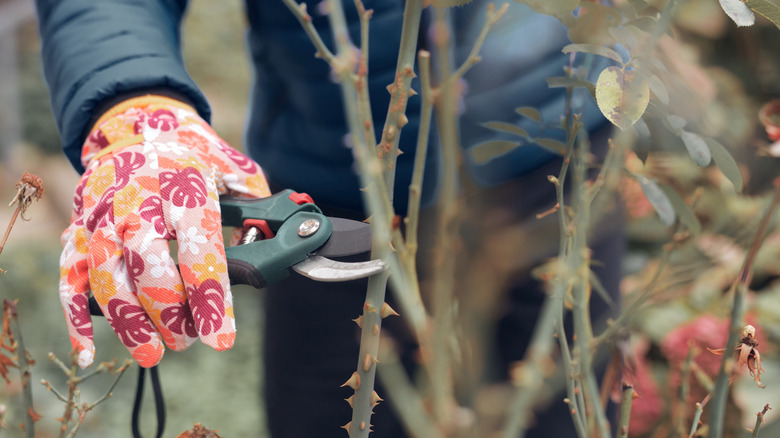
Roses can benefit from light to mild pruning in December after they've gone dormant. Trimming in the winter will help protect roses from strangler stems that can be broken by ice or strong winter winds. When pruning roses, it's always best to start small and get more ambitious as you go. Cut away dead or dying branches first, before you move on to any significant shaping. For certain species and cultivars, like hybrid tea roses, save serious pruning for the spring — but you can still take care of any essential cuts now.
December snips help your birch tree
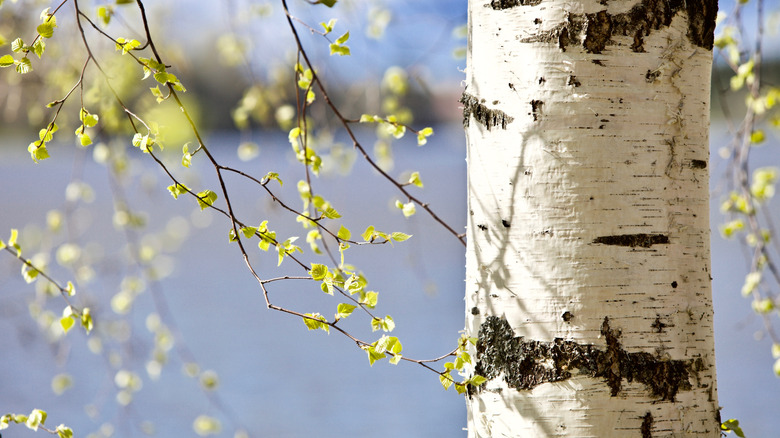
Pick a warm, dry December day to tackle pruning your birch (Betula spp.) tree. This deciduous type, known more for its signature peeling white bark than for its leaves, can be safely pruned anytime from late fall through winter. Just make sure to do so after all the leaves have fallen to the ground in the fall, but before new buds form on the branches in the early spring. Another benefit to pruning dormant trees without leaves in winter is that you can get a better view to make more exact cuts.
Prune pea shrub before spring
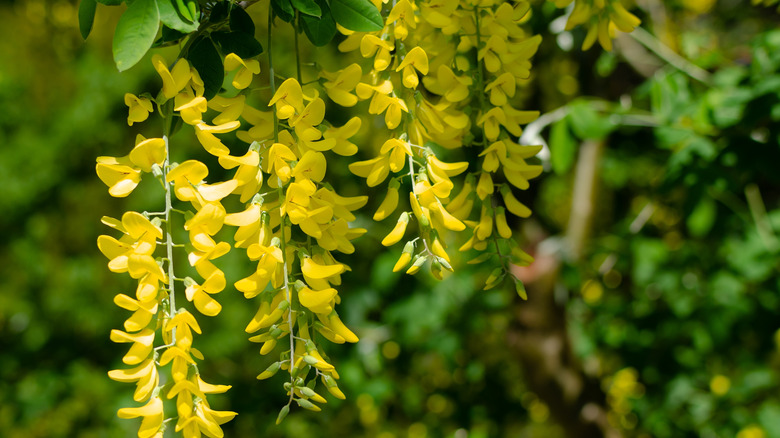
Winter is a great time to trim your pea shrub (Caragana frutex). Native to Russia, this variety does best with hot summers and cold winters and suffers in more moderate climates. In ideal conditions, a pea shrub can live to be 20 years old, but it might gradually start to bloom less over time. If you've seen your pea shrub produce fewer flowers after many seasons, then it's probably well past due for pruning. Some nice cuts now will help you see more flowers next year.
Prune grapevines in the winter
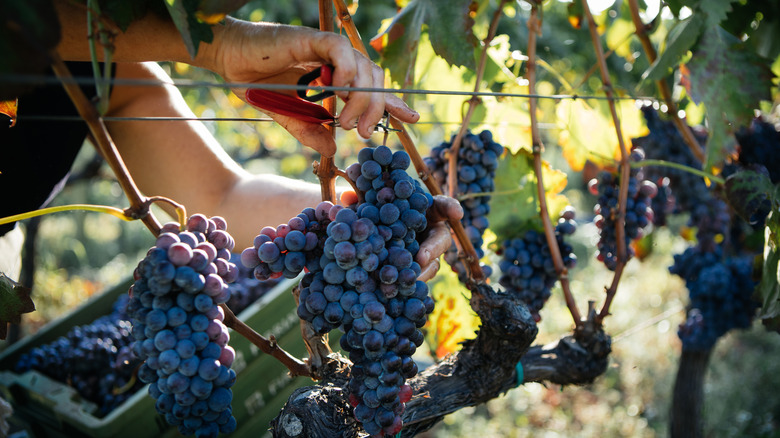
Grapevines benefit from winter pruning since later cuts might lead to sap ooze. It's important to keep grapevines trimmed and trained if you want them to produce the best fruit next season, since grapes develop on new growth. Focus on getting rid of weaker, dead, or diseased canes, leaving the most robust ones in place. Don't be too timid, either — cutting away more branches may lead to better yields.
Trim hawthorn trees in winter
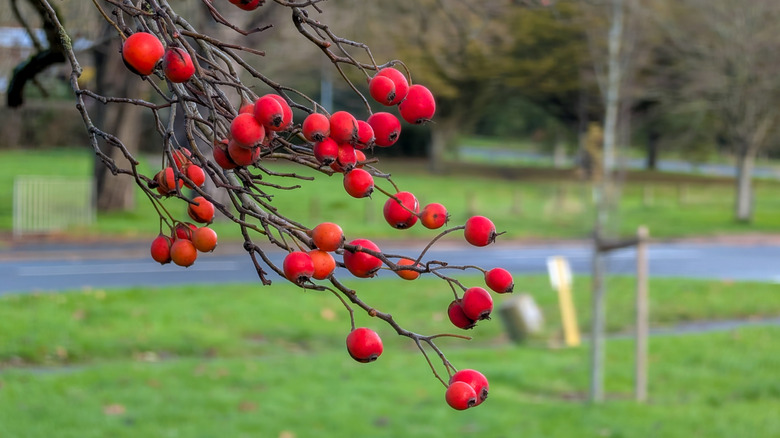
While you could wait for late winter or early spring to prune your bright-berry-producing hawthorn (Crataegus spp.) tree, December can also be an ideal time to shear it if the plant is dormant and you want to take advantage of decent weather before real snow falls. When cleaning up this ornamental, always make sure to do so above a bud or node where two branches come together, and never cut back more than a third of the plant at a time.