

8 Delicate Bulbs That Need Special Care Over Cold Winters
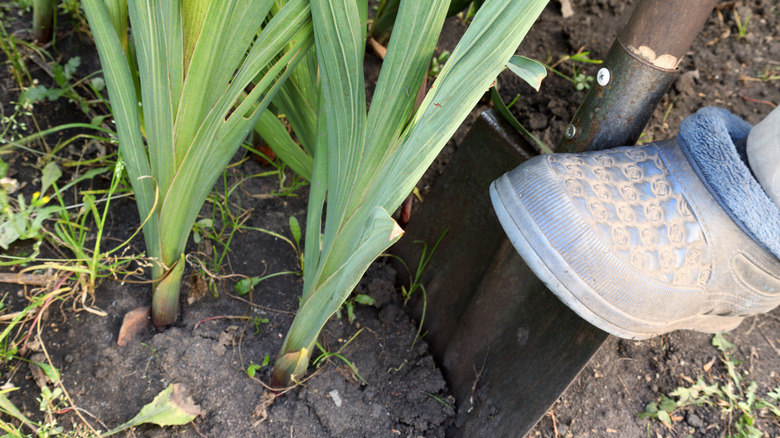
The springtime emergence of your garden tulips and daffodils feels a bit like magic every year. You may have planted the bulbs themselves years ago, but they still return in a burst of color after a long winter. However, not all plants that grow from bulbs are quite the same. While some bulbs are hardy enough that they can be left in the ground to fend for themselves during the colder months, and actually need the cold to end their dormant phase. Tender bulbs, on the other hand, can't tolerate low temperature extremes and have to be dug up before winter and stored somewhere warmer. Unlike these bulbs that you plant in fall for a stunning spring garden, Calla lilies, gladiolus, and tuberous begonias are just a few examples of tender bulbs that need protection from the cold.
Technically, not all of these tender bulbs are true bulbs — some of them are tubers, rhizomes, or corms. Here, we're using "bulb" as an umbrella term referring to plants with fleshy underground structures that function as storage from which plants draw energy to grow and bloom. There are some differences between the needs of the individual plants on this list, but in general, most require a curing or drying period before being stored in a cool (but not freezing!) place, such as a cellar. Another good practice if you're storing multiple kinds of tender bulbs is to label them so you avoid surprises when the weather warms.
Calla lily
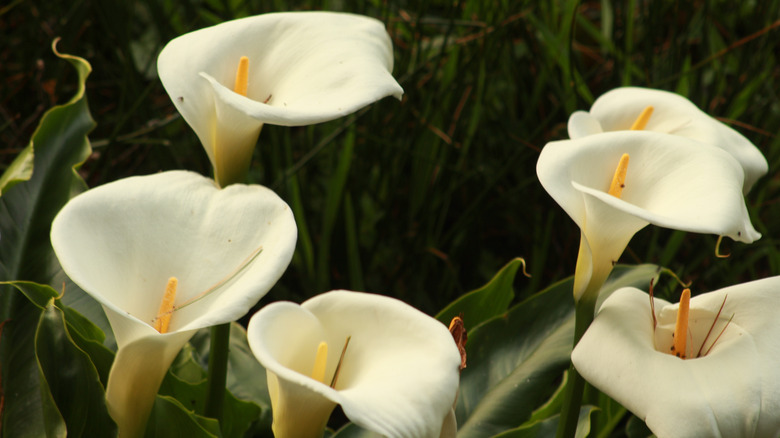
Despite their common name, calla lilies (Zantedeschia aethiopica) are not actually lilies, but members of the arum family, more closely related to philodendrons. The showy structure you'd think of as a trumpet-shaped flower is actually a leaf, while the spike in the middle is the flower. Originally hailing from Africa, calla lilies are only hardy to USDA Zone 8, though they may survive winter in zone 7 with protection. To store them for winter, cut the foliage back to a couple of inches above the soil after a killing frost, and carefully dig up the rhizomes.
Elephant's ear
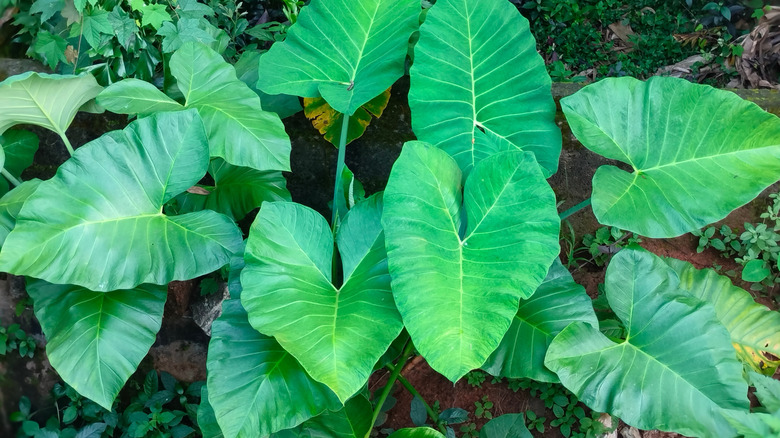
With their grand, expansive leaves, it's easy to see how the members of the genus Colocasia acquired their common name, elephant's ear. Most varieties are only winter hardy in zones above 8. If you're in a colder region, you'll have to dig up and store the underground tubers, or corms. Make sure you dry the tubers for a couple of weeks in a warm spot before packing them in wood shavings or peat moss. If you have the indoor space, you can also treat elephant's ear as a container plant and just move the whole thing inside.
Spider lily

Also known as basket flower, Peruvian daffodil, or spider lily, Hymenocallis spp. is a genus with over 50 species native to North and South America. One of the species most commonly for sale is a hybrid of two Peruvian species, Hymenocallis x festalis. These fragrant flowers are suited to zones 2 through 11. Below zone 7, they should be dug up and brought indoors for the winter. Although most of the selections on this list should be brought in after the first frost, spider lily bulbs must be dug up before frost has a chance to damage them.
Dahlia
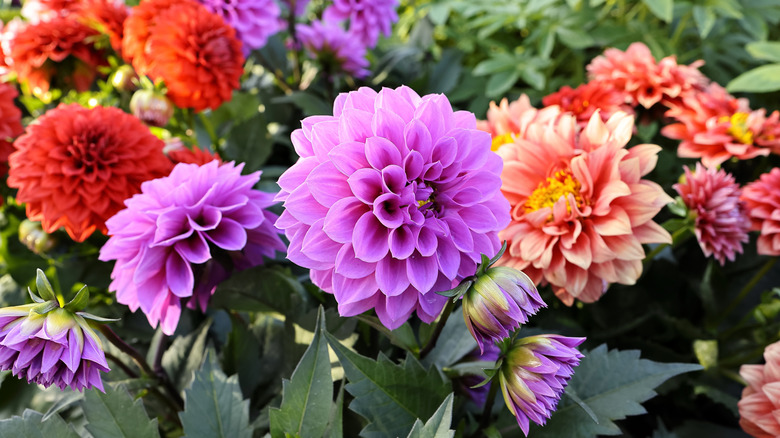
Perennial members of the aster family, dahlias (Dahlia spp.) can be mulched for winter protection in zones 8 to 10, but dig up the tubers and store them in zones below that. To winterize dahlia tubers, cut the stalks after a frost, leaving about 6 inches above the soil. You'll need to wait about a week to allow the development of eyes — the start of next year's stems. Then, dig out the tubers, leaving about a foot of space on either side and making sure not to damage the stem. Dry them for a day before storing.
Gladiolus

Another plant that sprouts from corms, gladiolus (Gladiolus spp.), is also referred to as sword lily due to its long, sword-shaped leaves. The corms are typically winter hardy in zones 7 through 10, but in cooler climates, they should be dug up after the first frost — just don't wait until a hard freeze kills them entirely. Carefully dig up the plants and shake off loose dirt without washing them. Trim the stalks down to a couple of inches, then dust the corms with fungicide before storing them in a cool, dry area in cloth or paper bags.
Caladium
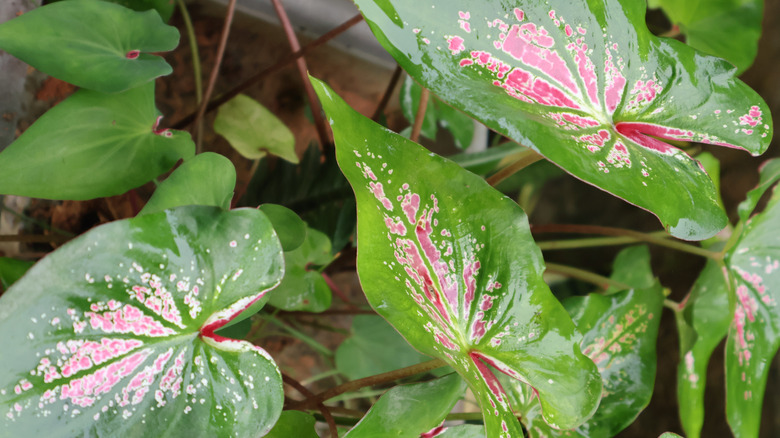
Above zone 9 or 10, you can leave your caladiums (Caladium spp.). Any cooler than that, and you'll have to dig the tubers up for storage. To winterize caladium, when the temperatures begin to drop, and the foliage starts to turn yellow, dig the plants up and cure them in a cool and dry location for a couple of weeks. Then, cut off any dry foliage and store them in a cardboard box with peat moss, sawdust, or vermiculite. Keep in mind that caladiums tend to deliver less foliage as they age, and the tubers may eventually need replacing.
Tuberous begonia

Ideal for providing a pop of color in a shady spot, the group of begonias referred to as tuberous types (Begonia spp.) is only winter hardy to zone 9. Before the hard frosts, cut the plants back and dig them up, roots, soil, and all. Cure them in a cool, dry spot for a few weeks, then shake the soil off and remove remaining roots and stalks, since they may rot in storage. Then, store them in insulating material such as sawdust or on screen trays in a dry, dark spot that stays above freezing.
Canna
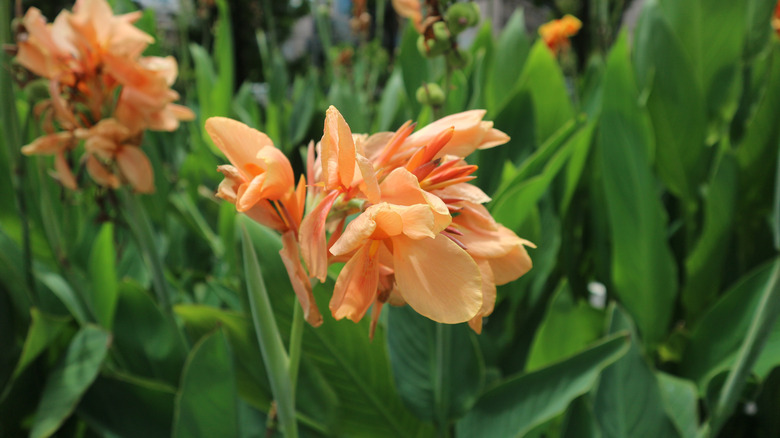
Dazzling natives of Africa and Central and South America, cannas (Canna spp.) are technically hardy from zones 6 to 10. Their rhizome clumps can be mulched for protection and left in place during the winter in zones 8 and above, but in zones 6 and 7, they must be brought inside. To winterize canna lily bulbs, cut the plants back to about 4 to 6 inches above the soil and dig them up after a killing frost, leaving a bit of soil around the rhizomes. Dry them for a few hours before storing them in a cool place.