

15 Tropical Plants That Are Better Off Overwintering Indoors
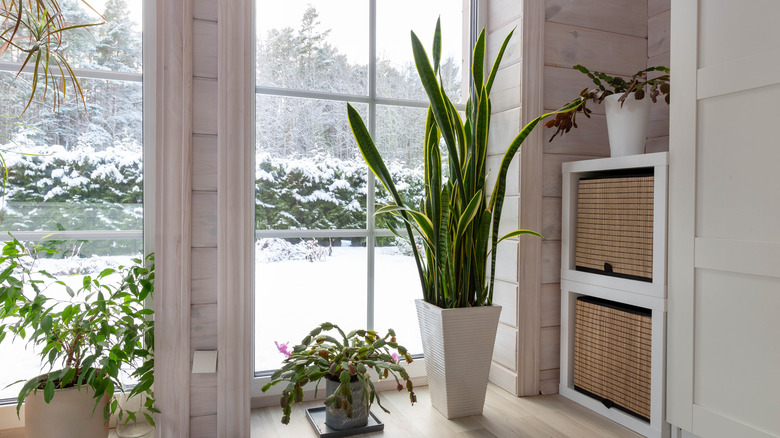
When it comes to the bright and colorful tropical plants we've enjoyed in our gardens all summer, winter is normally the time to say goodbye for good. Many gardeners in cold climates grow tropical flowers as pretty annuals, but you might be able to save some of your favorite less-than-hardy perennials from frost by bringing them inside and growing them in containers. So you don't need to give up on tropical beauties like geraniums, begonias, or hibiscus!
Bringing a few specimens inside to overwinter could save you a trip to the gardening center next year, keeping a few dollars in your pocket come spring. Adding new potted plants inside also brings aesthetic life to your living room or kitchen. You can even get creative and use them as mini Christmas trees and decor, so there's plenty of motivation to keep these plants alive throughout the winter, rather than starting over.
And if you're worried about care, while many tropical plants love full sun, a sunny spot near a window or fluorescent growing lights can help keep them going. For others, you can encourage flowers to go dormant by stashing them in a cool, dark place. Add some humidity by misting the jungle plants or add a humidifier to moisten indoor air that's often dried by electric heat. As long as you move them inside while nighttime temperatures still hover in the 50s, well before the first frost, then you have a shot at keeping your outdoor tropicals cozy through the winter.
Tropical hibiscus will brighten the house
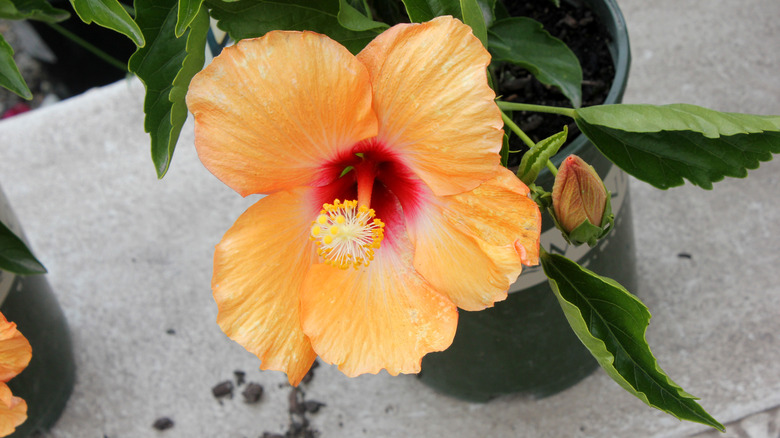
Tropical hibiscus (Hibiscus rosa-sinensis) hates the cold, preferring temperatures in USDA Plant Hardiness Zones 9 to 11. But if you live in a zone below 9, you can transfer this plant to a pot. Just make sure the flowers have died back, typically in the fall. If you're digging it out of the ground, prune back the shrub by a third before putting it in a container. Set the plant near a sunny window inside, but don't worry if they lose their leaves. Give them some time to get used to their new digs.
Palms don't mind pots
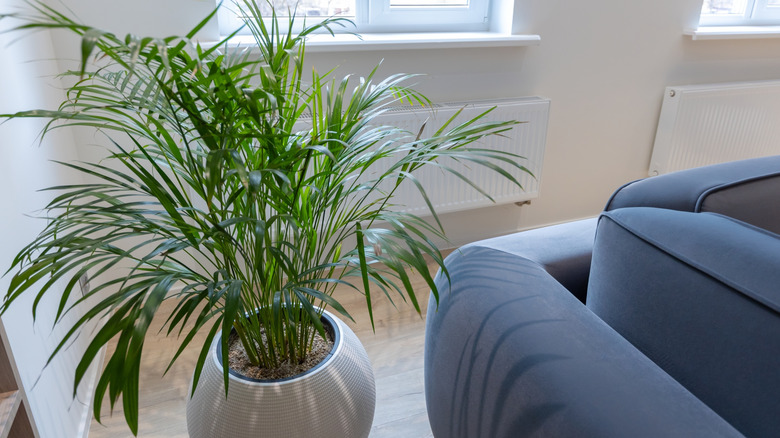
Parlor palms (Chamaedorea elegans) can be a common sight in garden centers in the spring, but come fall, they won't last long outdoors if there's a freeze on the way. But these zone 10 to 12 plants do very well inside (thus their common name) and don't mind life in a container. Make sure you've got a duster ready, as well. Dust keeps palms from properly absorbing the light it needs. This can be true of other houseplants, too. Dust them often to keep them healthy. And don't overwater them!
Brighten your window sill with mandevilla
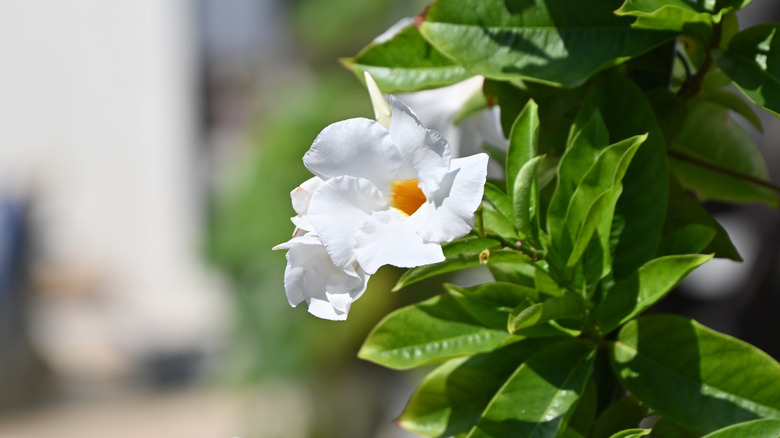
Mandevilla grows happily in the house or out (in zones 10 to 11). This pretty, blooming woody vine only asks for the comfortable climate of 65 to 70 degrees. Moving it from the ground to a container may require pruning first. While some roots will be damaged in the transfer, maintain enough to support the entire plant. After you bring it inside for the winter, know it needs a lot of space to expand, since it can grow 7 feet in a single season. Watch out for mealybugs, as they love this plant.
Move New Zealand flax inside
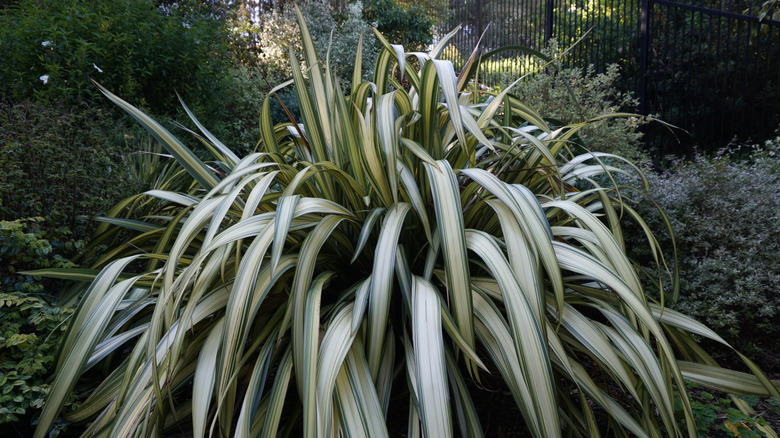
The striking two-tone leaves of New Zealand flax (Phormium tenax) brighten any garden. This relative of the daylily also offers pretty flowers and is only hardy down to zone 9. As a clumping tender perennial, it will die if left outside, even in most of the southern United States. These decorative ornamentals can get unruly, so you may need to neaten up your messy flax plant before putting it into a container. Flax doesn't care much about fertilizer, but it does need well-draining soil.
Bird of paradise would rather migrate indoors this winter
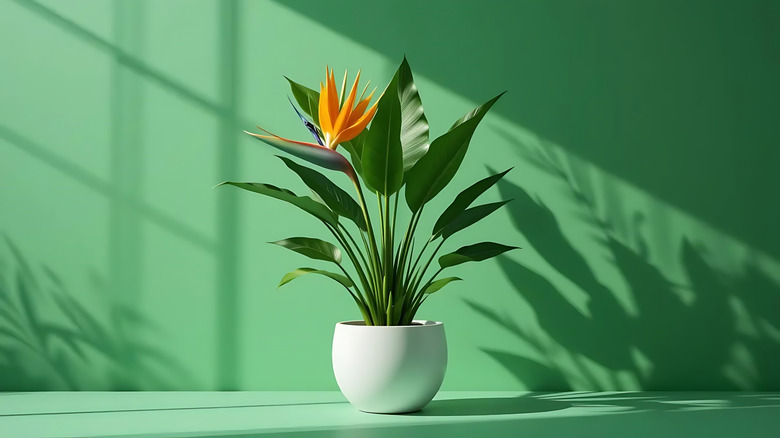
One of the least cold-tolerant tropical plants might be the bird of paradise (Strelitzia reginae) since it's only hardy down to zone 10. This pretty flower, reminiscent of a bird's head, is native to South Africa, but you'll also find it in tropical locations like Hawaii. You can, however, successfully grow it indoors. It likes full sun and loamy soil, but keep in mind it prefers cooler temperatures at night. When warmer weather returns and the mercury gets above 70 degrees, then you can move your bird of paradise outdoors again.
Umbrella trees need cover from the elements
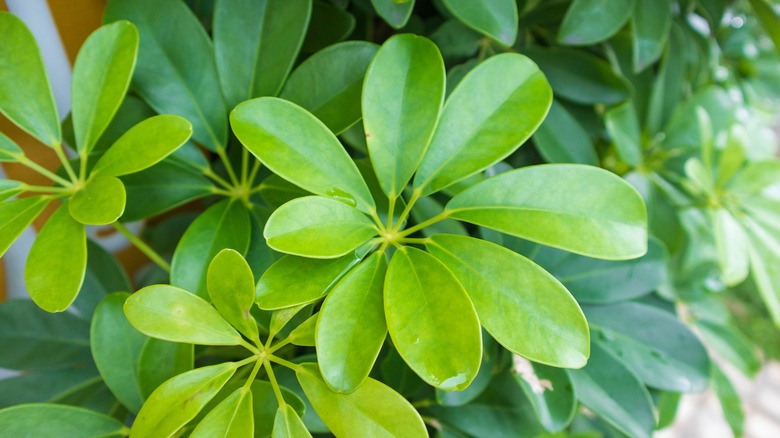
When it comes to caring for the umbrella tree (Heptapleurum arboricola), it's best to keep it in a place where the air doesn't get colder than 60 degrees. While hardy to zone 9, this tropical plant prefers warm temperatures. It likes full sun, but keep the light indirect, unless you want burnt leaves. This plant loves high humidity, so consider putting it on a plant tray filled with rocks and water. Also, watch out for spider mites. They love to live in this tree.
Save coleus for ground cover next season with cuttings now
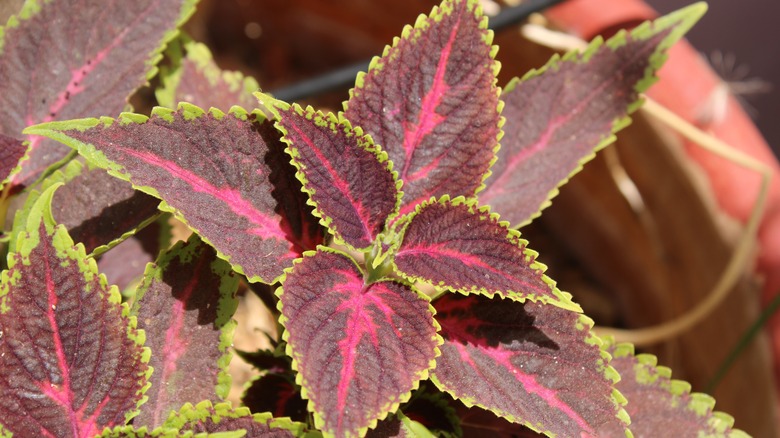
The colorful ground cover coleus (Coleus scutellarioides) might not normally survive zones lower than 10, but you can save some now for replanting next spring. Just take some cuttings from this tropical ornamental. Slice off a small portion of the plant. Go ahead and plant it directly into a small container of well-draining soil and tuck it in the shade. Try adding root hormone as an insurance policy, and maybe even sprinkle cinnamon on the cutting to help prevent damping off. Keep the soil moist.
Bring angel's trumpet in from the cold
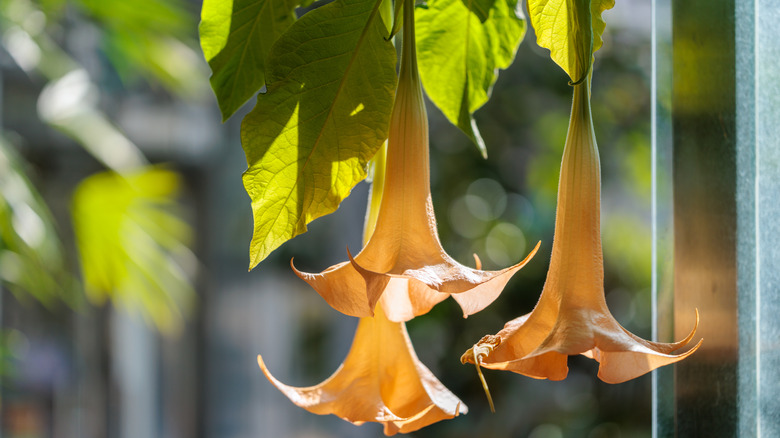
If you don't want winter to take your delicate angel's trumpet (Brugmansia) flowers, then move them to a pot and tuck them in the house for the winter. These unique, downward-facing blooms first appeared in South America and are only hardy down to zone 9. Flower size varies wildly among cultivars, with some growing flowers as small as 4 inches, and others as large as 2 feet! In the right conditions indoors, they might even bloom all year round.
Grab those geraniums to keep them warm
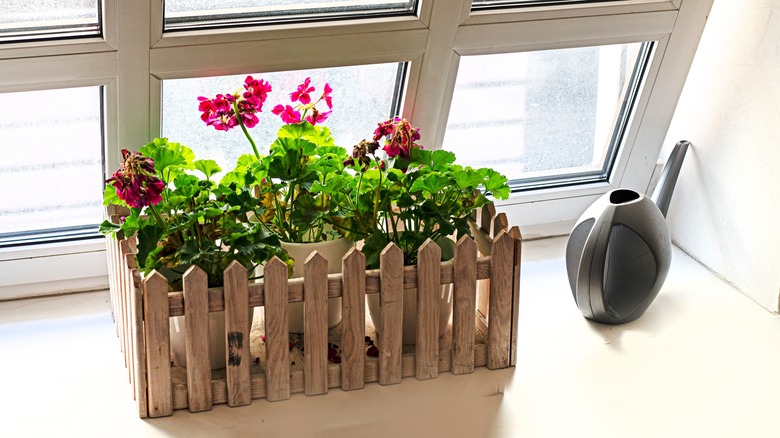
If you've got pretty geraniums (Pelargonium) in pots on the patio, fall is the time to bring them inside, unless you live in zones 9 through 12. You can care for them like most indoor plants, giving them a good drink of water and a sunny window. Or you can help them go dormant. Brush all the soil from the plants' roots and wrap them in newspaper. Store them in a cool, dark place until spring arrives. As a third option, you can always take cuttings to grow new plants over the winter.
Save begonias now to enjoy blooms next spring
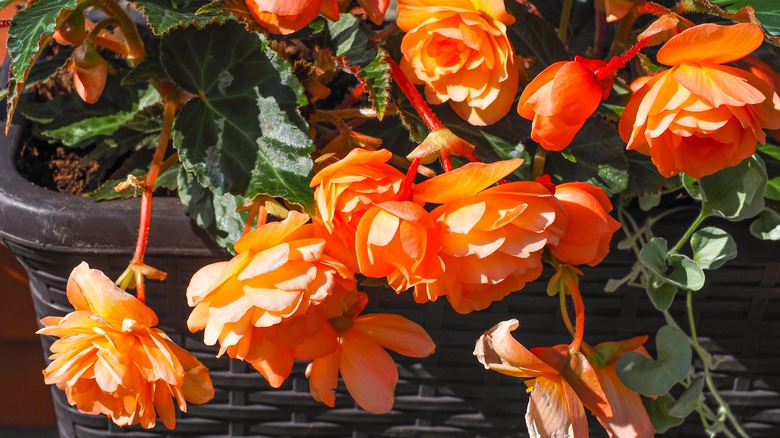
Who doesn't enjoy begonias (Semperflorens Cultorum) in the garden with their bright orange, pink, or white blooms? These herbaceous perennials might only be tolerant of zones 10-11, but the good news is many varieties do well overwintered as houseplants inside. Rhizomatous begonias (the kind with stems that grow on the surface) and cane or bedding begonias also adapt to indoor life fairly well. If you already have begonias in pots on the patio, store them in a cool place inside. Just don't overwater.
Hardier calla lilies still need a break from the cold
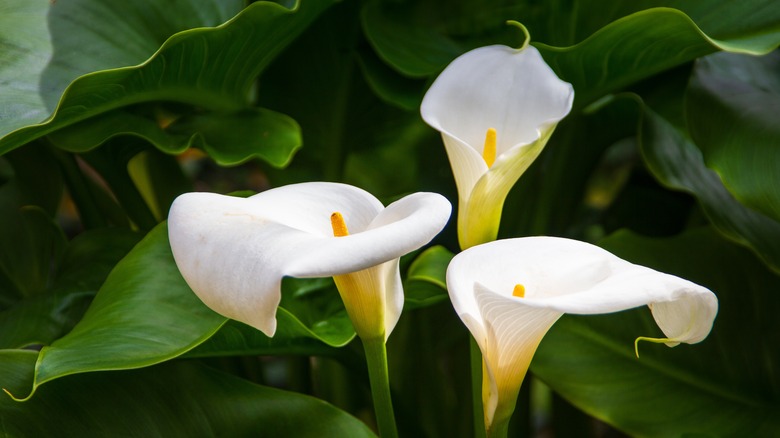
Calla lilies (Zantedeschia) can survive winters down to zone 7, but even they have their limits. Fear not, though, they do very well in containers. These flowers need at least six full hours of sun, but make sure it's indirect light. Putting them straight on a windowsill might singe the leaves. They also tend to be thirsty blooms since you can find them by riverbeds and other wet places in the wild. So don't be afraid to get out the watering can often.
Bougainvillea brings color inside
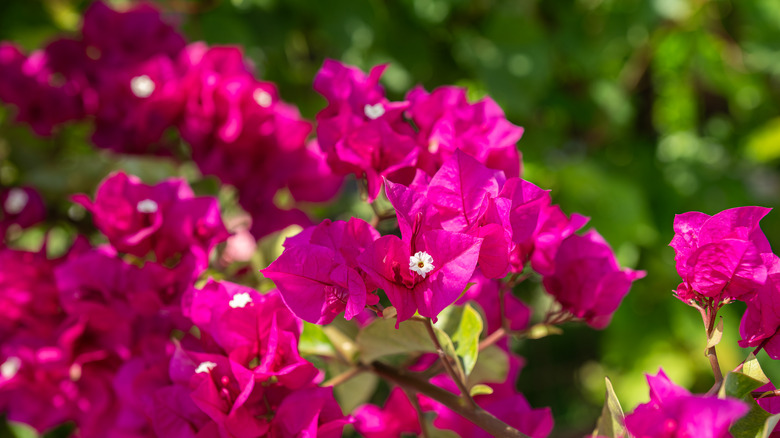
Originally found in South America, bougainvillea prefers winters with temperatures that remain warmer than 30 degrees. It only thrives in zones 9 and above. If you live in a colder climate and don't want to treat it like an annual, try putting it in a hanging basket or pot. This woody vine doesn't mind the tight confines of a smaller container. Definitely use well-draining potting mix, though. It likes soil on the dry side. Keep it from kids or pets because its thorns can poke little fingers.
Encourage canna lilies to go dormant indoors
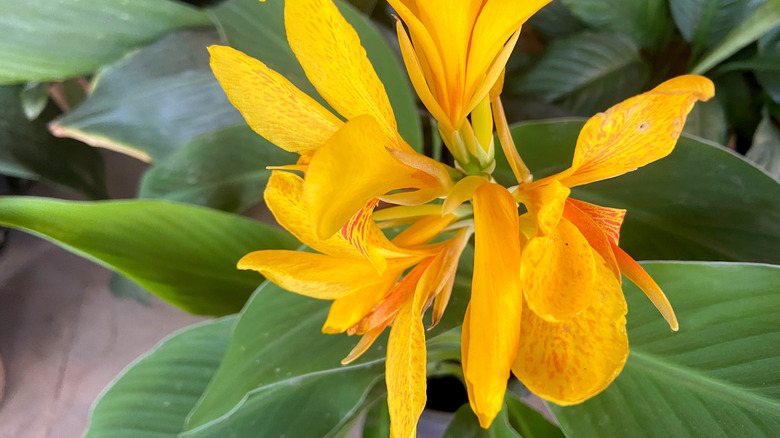
With some tropical flowers, it's best to bring them inside and let them go dormant. The canna lily, hardy only down to zone 8, often falls in this category. Move your plant into a cool place that's about 50 degrees, but protected from serious cold, like a basement or garage. Water very little — just about once a month — and make sure the plant doesn't receive much light. If you're short on space, you can also dig up canna lily tubers and store them in the basement for the winter.
Grow elephant's ear as a lush houseplant
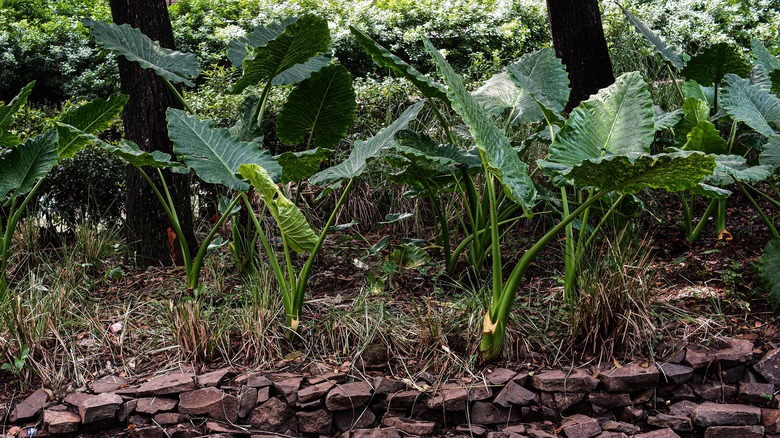
If you're looking for a lush, leafy green plant for a tropical look, then look no further than elephant's ear (Alocasia). This dramatic tropical greenery, hardy in warmer zones 10-12, has at least 80 species to choose from, and most can be overwintered right in your living room. Just make sure it gets lots of indirect sunlight and moist air. Keep it away from any drafty windows or doors. It likes temperatures that don't dip below 65 degrees.
Keep jasmine safe in the house this winter
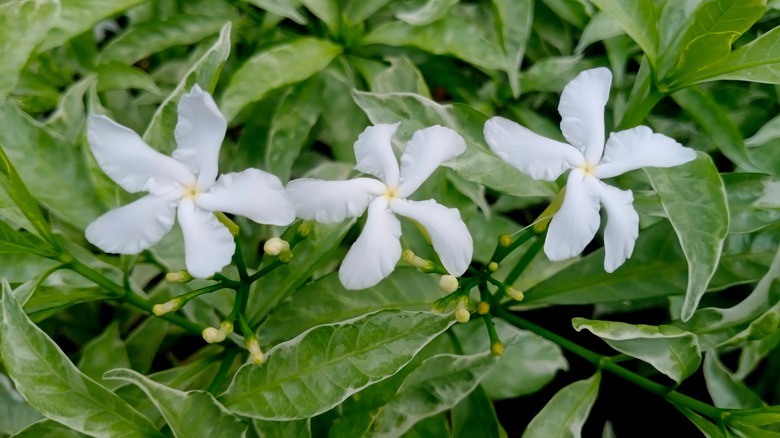
Jasmine, the pretty flower known for flavoring tea, loves tropical weather. If left outdoors during the winter in zones below 7, it'll perish, but you can bring this delicate bloom indoors. You might even want to start and keep it in a container so that it can be easily moved back and forth. Just make sure to check for pests before you bring it indoors, as aphids and spider mites love this plant. Also, watch out for root rot, which sometimes develops after it comes inside.