

How To Use Cinnamon On Plants For A Healthy, Vibrant Garden
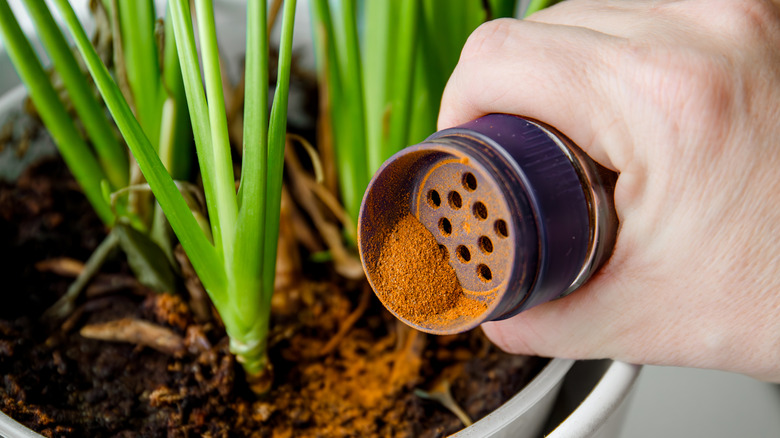
When you think of cinnamon, your first thought is likely about apple pie filling or your favorite cookie recipe rather than the garden. But this spice can also be a powerful botanical helper as both a powder and as a spray. It has been used for everything from fighting pests to helping treat infections.
This culinary staple might be one of the world's most versatile spices. It's culled from the bark of either the evergreen Ceylon cinnamon tree (Cinnamomum verum) found in Sri Lanka, or the cassia cinnamon tree (Cinnamomum cassia), usually grown in China. Much more than just a tasty additive to recipes, it also contains chemicals that have anti-fungal propertiesthat could rescue your garden from fungus. When turned into a spray, cinnamon's antifungal properties have also been known to protect young sprouts from damping off, the infection that attacks seeds and dooms them almost before they begin.
Cinnamon is also used in DIY pest control for fuzzy critters and small insects alike. Some gardeners use it to deter ants in the yard or to make garden slugs a thing of the past. It even encourages squirrels and other pests, like rats or mice, to move away from your yard. And there are many other ways you can put cinnamon to use to help plants. Let's dig into the specifics of what makes it a boon to the garden.
As a powder, a spray, or an oil, cinnamon can be used all sorts of ways
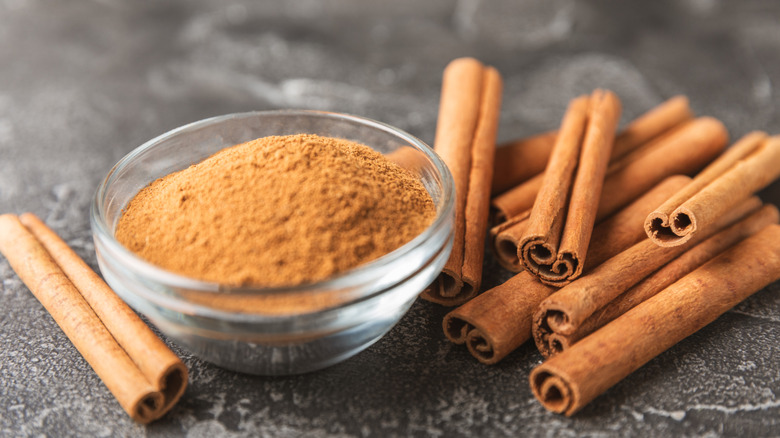
Cinnamon contains valuable anti-microbial and anti-fungal properties that help flowers thrive. A Polish study found concentrated cinnamon oil fights fungal infection in plants like banana and corn, and the powdered spice reversed gray mold, or early blight (which often causes tomato leaves to turn yellow) in tomato plants. Using powdered cinnamon thwarts unwanted mushrooms, too. Put it on young mushrooms growing in your mulch outside or in potted plants inside.
Mushrooms aren't the only thing that cinnamon sends packing. Ants dislike the chemical cinnamaldehyde, the source of the spice's unique smell. The compound interferes with ants' abilities to communicate to one another by making it hard to track the pheromone trail the insects follow. Slugs don't care for the powdery substance, either, because it sticks to them, causing them discomfort. The smell even bothers a squirrel's nose, possibly keeping them from eating bird seed at the feeder.
Even beyond fungus and pets, cinnamon can be used indoors and outdoors. Sprinkle some cinnamon powder onto the soilin spring or fall for a soil refresh to possibly preventing rust disease issues. Another great use is to disinfect fresh cuttings that you want to propagate. Dip them in the powder to eliminate germs that cause infections. The spice also cleans broken stems wounded by storms.Treat slime on leaves, by making a cinnamon spray. Soak the spice in warm water, leaving it on for 10 to 12 hours. Then spray it on affected leaves.