

Hibiscus Plants
Step 1
With nearly 300 species, hibiscus is a well-known plant grown from the South to the North in a variety of climates, including that of Indiana. Since the lowest winter temperatures in Indiana average minus 20 degrees to 0 degrees F, tropical hibiscus will not survive its cold winter months. Fortunately, it can grow as an annual. Hardy hibiscus (Hibiscus moscheutos) on the other hand, will grow and thrive as a perennial in Indiana.
Step 2
Step 1
Choose a planting location in full sun, which most hibiscuses prefer. Rake or till to loosen the soil and mix in 3 to 4 inches of organic matter, such as compost or peat moss, into the top 8 to 12 inches of soil. Avoid planting hibiscus in low lying and wet soil conditions, such as near a marsh as hibiscuses need well-draining soil
- With nearly 300 species, hibiscus is a well-known plant grown from the South to the North in a variety of climates, including that of Indiana.
Step 2
Plant the hibiscus in the spring after the last frost, which occurs in mid- to late spring in Indiana. Plant a hardy hibiscus in the summer and fall months as well. Plant it at the exact depth as it was planted in the nursery container. Space them according to their variety. Start the plants indoors about 12 weeks earlier before the last frost and transplant them outdoors if starting the plants from seed.
Step 3
Water the hibiscus well after planting, usually about a 1/2 to 1 inch will suffice, depending on the size of the plant. Apply about 2 inches of mulch to help the soil retain water, if desired.
- Plant the hibiscus in the spring after the last frost, which occurs in mid- to late spring in Indiana.
- Apply about 2 inches of mulch to help the soil retain water, if desired.
Tip
Compare the plant's rated hardiness zones with your Indiana USDA plant hardiness zone, which ranges from zone 4 to zone 6. Select a hibiscus variety that is winter hardy in your Indiana climate to grow it as a perennial. Otherwise, choose one that is not winter hardy in your zone and plant its as an annual. As an alternative, grow hibiscus not rated hardy in your Indiana zone in pots and move it indoors during the winter months.
Step 1
Fill a spray bottle with warm tap water. Lightly mist the leaves and base of indoor hibiscus plants during the early morning hours on a daily basis.
Step 2
Place a warm mist humidifier in the same room as an indoor hibiscus plant. This will provide continuous humidity without saturating this tropical plant.
Step 3
Pour warm tap water at the base of an indoor hibiscus plant until the plant's soil is thoroughly saturated. Allow to completely drain. Repeat watering weekly after the soil dries.
- Fill a spray bottle with warm tap water.
- Repeat watering weekly after the soil dries.
Step 4
Turn a garden hose onto low-pressure water level to water established outdoor hibiscus plants. Place the hose at the base of hibiscus plants. Allow the water to run for three to five minutes. Repeat watering weekly during the growing and blooming season.
Step 5
Water outdoor hibiscus plants only when the ground is completely dry during the late fall and winter months when the plants have finished growing and blooming for the year and are in their dormant phase.
Tip
Gardeners should plant hibiscus plants in well-drained soil. Place a ground water meter in the ground near the hibiscus plants. Be certain the meter is not blocked overhead by objects or shading to prevent collection of rainfall. Check the meter weekly. In areas with high rainfalls, only water the hibiscus plants when the rain meter indicates less than 1 inch of weekly water during the blooming and growing period. During the late fall and winter months, assure the hibiscus plants receive 1 inch of water bi-weekly since they are dormant.
Warning
Avoid over-watering hibiscus plants to prevent root rot. Allow soil to drain and to dry somewhat prior to deep watering.
Protect Potted Hibiscus
Step 1
Bring potted hibiscus inside before the first frost.
Step 2
Stop watering the plant until the plant becomes dormant, indicated by all the leaves falling off.
- Turn a garden hose onto low-pressure water level to water established outdoor hibiscus plants.
- Stop watering the plant until the plant becomes dormant, indicated by all the leaves falling off.
Step 3
Keep your hibiscus in a spot with 40 to 45 degree temperatures F throughout the winter.
Step 4
Check the soil biweekly for moisture level by pushing your finger 2 inches deep into the soil. Add water to the plant if the soil feels dry 2 inches below the surface. Pour in enough water so the soil feels damp 2 inches below the surface.
Prepare Outdoor Hibiscus

Step 1
Layer composted leaves or mulch around the base of the hibiscus and over the stem to create a layer 4 to 6 inches thick.
Step 2
Wrap Christmas lights around the hibiscus plant and plug them in to warm the plant during freezing nights.
Step 3
Cover the plant with a tarp or frost blanket during freezing temperatures to protect the plant and hold the warmth from the Christmas lights against the plant.
- Keep your hibiscus in a spot with 40 to 45 degree temperatures F throughout the winter.
- Add water to the plant if the soil feels dry 2 inches below the surface.
Step 1
Sterilize the pruning shears with an old cloth dipped in rubbing alcohol. Wear protective gardening gloves before pruning, as hibiscus branches can be sharp and brambly.
Step 2
Prune any dead, diseased or broken branches all the way to the trunk.
Step 3
Prune all of the hibiscus branches 1/3 of the way back, about 1/4 inch directly above the nearest node. Every branch needs to have about two to three nodes on them after the trimming. These promote future growth.
Step 4
Prune back any branches that are criss-crossing other branches or growing directly in the center of the hibiscus.
- Sterilize the pruning shears with an old cloth dipped in rubbing alcohol.
- Prune back any branches that are criss-crossing other branches or growing directly in the center of the hibiscus.
Tip
Do the majority of the pruning on hibiscus plants in the late spring to early summer, but occasionally you will have to prune the plant to control growth in late summer or early fall.
Things Needed
- Gardening gloves
- Pruning shears
- Rubbing alcohol
Identification

Step 1
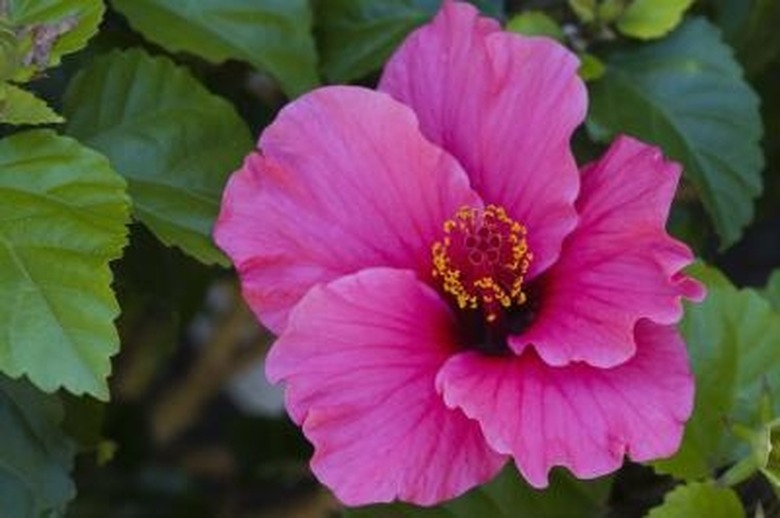
Hibiscus is a large genus containing more than 200 different species of annuals, perennial, shrubs and trees that hail from the warm, tropical and subtropical climates.
Features
Step 1
Hibiscus features large, funnel-shaped flowers that bloom in a wide range of colors including, red, blue, pink, purple, yellow and white. Hibiscus flowers contain five or more large petals that have a contrasting, colorful stamen. Long-lasting, hibiscus flowers bloom from spring to fall.
Considerations
Step 1
Hibiscus grow best in full sun and well-drained, moist soil that is neutral to slightly alkaline. They thrive in nutrient-rich soil and can be watered sparingly in winter.
Step 1
Fertilize the hibiscus plant in September with a 2-10-10 fertilizer to harden the plant for winter conditions.
- Hibiscus is a large genus containing more than 200 different species of annuals, perennial, shrubs and trees that hail from the warm, tropical and subtropical climates.
- Hibiscus grow best in full sun and well-drained, moist soil that is neutral to slightly alkaline.
Step 2
Move potted hibiscus plants to a shady location in a southern or western exposure once the evening weather begins to cool at night in early fall. This will get the plant ready for indoor conditions.
Step 3
Inspect potted plants for insect infestation while they are still outdoors. Spray infected plants with an insecticide to eliminate pests.
Step 4
Bring potted hibiscus plants indoors once the temperature drops below 40 degrees Fahrenheit consistently.
Step 5
Place the hibiscus pot in a tray filled with stones and water. This will increase the humidity level around the plant during the drier winter months. Do not submerge the pot in water.
- Move potted hibiscus plants to a shady location in a southern or western exposure once the evening weather begins to cool at night in early fall.
Step 6
Cut back perennial hardy hibiscus growing outdoors to the base of the plant once the temperatures drop in fall to a high of 40 degrees Fahrenheit.
Step 7
Apply a generous layer of mulch on top of and around the outdoor growing plant. This will hold moisture in the ground and insulate the plant during the winter.
Tip
Place the potted hibiscus plants outdoors once the temperature warms above 40 degrees Fahrenheit. Begin by placing it in a protected shade area. Gradually move it to a partially shaded area and then full sun.
Things Needed
- Insecticide
- Flower tray
- Stones
- Pruning clipper
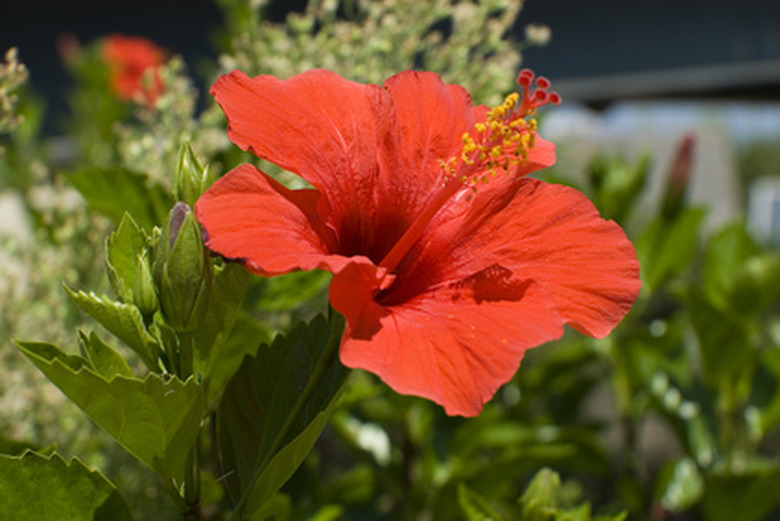
Hibiscus can be grown in Michigan in containers or treated as annuals. These tropical shrubs cannot take freezing temperatures and must be overwintered indoors. Hibiscus is hardy in USDA zones 9 to 11, and Michigan is in zones 3 to 6.
Propagating Plants by Division
Step 1
Dig up the root ball of a large, fully mature hibiscus plant, taking care not to damage the plant. Remove all excess soil from around the roots.
- Cut back perennial hardy hibiscus growing outdoors to the base of the plant once the temperatures drop in fall to a high of 40 degrees Fahrenheit.
Step 2
Look for areas at the base of the stems to identify places where they can be separated at the roots.
Step 3
Carefully separate the roots of the hibiscus plant by hand, ensuring that there are enough stems in each separated piece to form a new plant. Cut any larger roots with garden shears. Continue this process until all separations are complete.
Step 4
Transplant the new hibiscus plants into containers filled with potting soil and water thoroughly.
Step 5
Place the containers indoors in a sunny area or in a greenhouse to protect the plants. Containers are used because hibiscus will generally not survive transplanting outdoors that late in the year except in tropical areas, such as southern Florida.
- Look for areas at the base of the stems to identify places where they can be separated at the roots.
Step 6
Transplant your hardy hibiscus plants in the spring, after the risk of frost has passed.
Step 1
Test the pH levels of your gardening site with a pH testing kit from a garden store. Hibiscus plants grow best in a pH ranging between a high of 6.5 and a low of 5.5, and anything else can cause nutritional deficiencies, according to the University of Florida. Ask your regional cooperative extension office (see Resources) what amendments, like sulfates, phosphates and lime, are using in your area to adjust soil pH levels.
Step 2
Fertilize the hibiscus plant once a month during its spring, summer and fall growing season. Louisiana State University recommends using a 12-4-18 fertilizer. Spread the fertilizer around the hibiscus shrub according to its labeled instructions, since fertilizer potency varies by brand.
- Transplant your hardy hibiscus plants in the spring, after the risk of frost has passed.
- Ask your regional cooperative extension office (see Resources) what amendments, like sulfates, phosphates and lime, are using in your area to adjust soil pH levels.
Step 3
Irrigate the hibiscus plant weekly with enough water to soak the soil to a depth of 18 inches, according to the University of Florida. Pile 3 inches of mulch around the shrub's base to help conserve moisture between waterings.
Step 4
Defend the hibiscus shrub against insects. Serious pests include aphids and whiteflies. Spray the shrub on an as-needed basis with an all-purpose horticultural oil solution, available from most garden stores.
Step 1
Cut disposable cups to about 3 inches high. Punch holes in the bottom for drainage and fill each cup with fine potting soil.
- Irrigate the hibiscus plant weekly with enough water to soak the soil to a depth of 18 inches, according to the University of Florida.
- Punch holes in the bottom for drainage and fill each cup with fine potting soil.
Step 2
Nick the tip of each seed with a sharp knife to allow the seed to absorb water more easily, improving the chance of germination.
Step 3
Check the nick to make sure the seed is viable. Look for the white endosperm in each seed.
Step 4
Make a hole in the soil about 1 inch deep and put one seed in each cup.
Step 5
Cover the seed with potting soil and water it lightly. Place each cup in a medium-size resealable plastic bag to keep the seed moist.
Step 6
Place the containers in the sun. Watch for growth in two to three weeks. Spray the soil with water to keep it damp but not wet.
- Nick the tip of each seed with a sharp knife to allow the seed to absorb water more easily, improving the chance of germination.
- Place each cup in a medium-size resealable plastic bag to keep the seed moist.
Step 7
Remove the plastic bags after the seeds have sprouted. Continue to water regularly.
Step 8
Transplant your seedlings once they have grown to several inches. Plant them in larger pots or fertile, prepared soil in your garden.
Ideally, a hibiscus should be pruned in the spring. The plants can also safely be pruned in late summer or early fall, but never prune a hibiscus in late fall or winter, when temperatures can dip below freezing.
Step 1
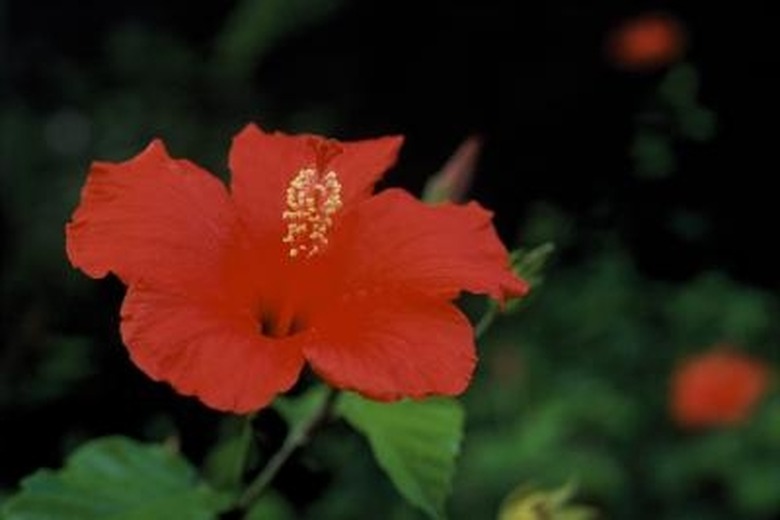
Select a site for your hardy hibiscus plants that give it full sun or a light shade. Grow your plants in nutrient-rich soil for best results.
Step 2
- Remove the plastic bags after the seeds have sprouted.
- Select a site for your hardy hibiscus plants that give it full sun or a light shade.
Step 3
Grow your hardy hibiscus in the appropriate U.S. Department of Agriculture hardiness zone to ensure that your plant thrives. Hardiness zones are areas that have the proper climate conditions for a particular plant to flourish. The hardy hibiscus can do well in hardiness zones 4 to 10.
Step 4
Grow hardy hibiscus in the moist soil it prefers. Make sure that the soil is well drained.
Step 5
Put your hardy hibiscus in a pot rather than in the ground if you prefer. It makes a good container plant. Ensure that you water frequently to keep the soil moist.
Step 6
- Grow your hardy hibiscus in the appropriate U.S. Department of Agriculture hardiness zone to ensure that your plant thrives.
- The hardy hibiscus can do well in hardiness zones 4 to 10.
Step 7
Realize that the hardy hibiscus dies to the ground annually and grows back the next year from the roots. Avoid digging up a live plant before it has a chance to emerge in the new growing season.
Step 8
Prune the plant back 4 or 5 inches after the first frost.
About Hibiscus
The genus Hibiscus contains over 200 different flowering plants. Also known as the rose mallow, the genus includes both annual and perennial plants, shrubs and trees. Two of the more popular varieties of the hibiscus include the scarlet rose mallow (Hibiscus coccineus) and rose of Sharon (Hibiscus syriacus). Both plants do well in USDA Zones 5 through 8. The flowers can range in color from white to bright red, and the hibiscus has alternate leaves.Many varieties of hibiscus are used around the world in herbal medicine, as a food product and as a natural shampoo.
- Realize that the hardy hibiscus dies to the ground annually and grows back the next year from the roots.
- Two of the more popular varieties of the hibiscus include the scarlet rose mallow (Hibiscus coccineus) and rose of Sharon (Hibiscus syriacus).
Site Preparation
Chose a site for planting that has good drainage, full sun and a source of steady water. Soil needs to be slightly alkaline and fertile.
Special Features
* Many countries claim a species of hibiscus as their national flower.* Entire gardens can be planted in different species of hibiscus and each plant will have a unique and vibrant look.* Hibiscus can bloom continuously from late spring to early fall, and can be used for an indoor arrangement of cut flowers.* Some varieties of hibiscus can be container-grown.
Choosing a Variety
Hibiscus varieties range from plants small enough to grow in a flowerpot on the desk to trees 6 to 8 feet tall. Hibiscus can be used in garden landscapes to highlight borders or create informal hedges.
- Chose a site for planting that has good drainage, full sun and a source of steady water.
- Hibiscus can bloom continuously from late spring to early fall, and can be used for an indoor arrangement of cut flowers.
- *
Planting
Start the seed indoors 10 weeks before the last frost date. Transplant after all danger of frost has past. Plant the hibiscus by digging a hole twice the size of the root ball. Center the plant in the hole and cover. Water thoroughly to remove any air captured around the roots. Provided the soil is fertile, little or no fertilizer is needed. Mulch heavily around the base of the plant to help retain moisture, but keep the mulch approximately 3 inches from the trunk of the plant.
- Start the seed indoors 10 weeks before the last frost date.
- Plant the hibiscus by digging a hole twice the size of the root ball.
Care
Prune the hibiscus during the winter to encourage growth the following year. Use a liquid insecticide soap to spray the plants for its common adversaries: ants and aphids, spider mites, white fly and mealy bugs. Should a fertilizer be needed, small amounts of a balanced blend with trace minerals should be used. The hibiscus plant should be protected from wind and ice during the winter months. This can be accomplished by the use of blankets or burlap.
Step 1
Cut off any weak branches from your hibiscus and remove any branches that are crossing over each other or growing sideways.
Step 2
Find up to four branches on your hibiscus that are strong and sturdy, and cut them back by about 30 percent.
- Prune the hibiscus during the winter to encourage growth the following year.
- Find up to four branches on your hibiscus that are strong and sturdy, and cut them back by about 30 percent.
Step 3
Find a node (a bump where a leaf or branch will grow) and cut right above it if you would like to fill any spaces in your hibiscus. By cutting above a node, you are encouraging new branches to grow from that node and also encouraging new blooms as a hibiscus normally creates one bloom per branch.
Step 4
Remove the root ball very gently from the growing pot. Pruning the roots needs only to be done once every two years to allow for new root growth.
Step 5
Cut off the bottom 2 inches of root if they have formed a solid ball inside the pot. Use a sharp knife, sterilized by alcohol or hand sanitizer.
Step 6
Place 2 inches of a good potting mix in the bottom of the planter.P lace the root ball back inside the growing pot and replant. Water your hibiscus.
- Find a node (a bump where a leaf or branch will grow) and cut right above it if you would like to fill any spaces in your hibiscus.
- Place 2 inches of a good potting mix in the bottom of the planter.
Tip
Always let the soil dry out completely between waterings for a hibiscus.
Things Needed
- Pruning shears
- Sharp knife
- Alcohol or hand sanitizer
- Potting mix
Fungal Diseases
Common fungal diseases include root rots, collar rots and Botrytis blight, also called gray mold. Hardy hibiscus are also susceptible to several fungal species that cause leaf spots.
Effects
Fungal diseases often cause dark circular leaf spots and general wilt. Botrytis blight causes gray mold to form on the hibiscus plant's stems, leaves, flowers or crown.
Pests
Hardy hibiscus are vulnerable to attacks by caterpillars, grasshoppers, aphids and whiteflies. Japanese beetles can also do severe foliage damage if left untreated.
Other Problems
Hardy hibiscus plants commonly suffer from bud drop, which is caused by a lack of food or water. Leaf scorch is another common problem in areas with very dry soil.
- Common fungal diseases include root rots, collar rots and Botrytis blight, also called gray mold.
- Hardy hibiscus plants commonly suffer from bud drop, which is caused by a lack of food or water.
Control
Fungal diseases are generally controlled by removing and burning infected hardy hibiscus plants. Insecticides are commonly used to control any pests.
Culture
Hardy hibiscus typically thrive in moist, organic soils that receive full sun. Good air circulation helps these plants resist potential diseases.
Step 1
Wear work gloves to protect your hands from brambles or thorns. Prune off any dead, broken or diseased growth in late summer and early fall, cutting them with the pruning shears back to the base of the plant.
Step 2
Examine the hibiscus plant in late spring and prune back any diseased, broken or dead branches first, cut back all the way to the base.
- Fungal diseases are generally controlled by removing and burning infected hardy hibiscus plants.
- Hardy hibiscus typically thrive in moist, organic soils that receive full sun.
Step 3
Prune all hibiscus branches about 1/3 of the way back above the nearest node. Make sure each branch has two to three nodes left after pruning.
Step 4
Prune back any branches that are growing in crowded areas or at awkward angles. If they are growing straight up, or into the center of the plant, prune them back. Also thin out overcrowded areas so sunshine and air circulation can reach the center of the hibiscus.
Things Needed
- Pruning shears
- Work gloves
Hibiscus plants can be grown indoors or outdoors. Plant hibiscus directly in the ground in warmer zones, or if planting in cooler climates, plant hibiscus in a container that can be moved indoors during cold winter weather.
- Prune all hibiscus branches about 1/3 of the way back above the nearest node.
- Plant hibiscus directly in the ground in warmer zones, or if planting in cooler climates, plant hibiscus in a container that can be moved indoors during cold winter weather.
Characteristics
The hibiscus bush can grow up to 20 feet. Its blooms typically last for just one day.
History
Hawaiians unofficially adopted the colorful hibiscus flowers as their territorial flower in the early 1920s. In 1988, the state selected and legally adopted yellow hibiscus as the official state flower.
Interesting Fact
Each of the eight major Hawaiian islands has its own official flower.
Medicinal Value
The pua aloalo has such healing properties as lowering high cholesterol, controlling blood pressure and strengthening the immune system, according to Alternative Health Journal.
Tradition
A hibiscus flower tucked behind the ear of an Hawaiian woman traditionally indicates availability for marriage.
- The hibiscus bush can grow up to 20 feet.
- A hibiscus flower tucked behind the ear of an Hawaiian woman traditionally indicates availability for marriage.
Fun Fact
Other countries have adopted uses for the Hawaiian hibiscus. Jamaica and other islands in the West Indies use the sap from the hibiscus for polishing leather shoes.
Average Height
Step 1
Hibiscus trees can grow up to 15 feet tall when planted in the proper climate, according to the National Gardening Association. On average, the Rose of Sharon tree reaches a height between 8 and 12 feet, according to the Arbor Day Foundation.
Average Spread
Step 1
Since hibiscus is often grown as shrubs, the spread is usually equal to the height, prior to pruning and shaping. An average Rose of Sharon tree reaches a spread between 6 and 10 feet, according to the Arbor Day Foundation.
Size of Flowers
Step 1
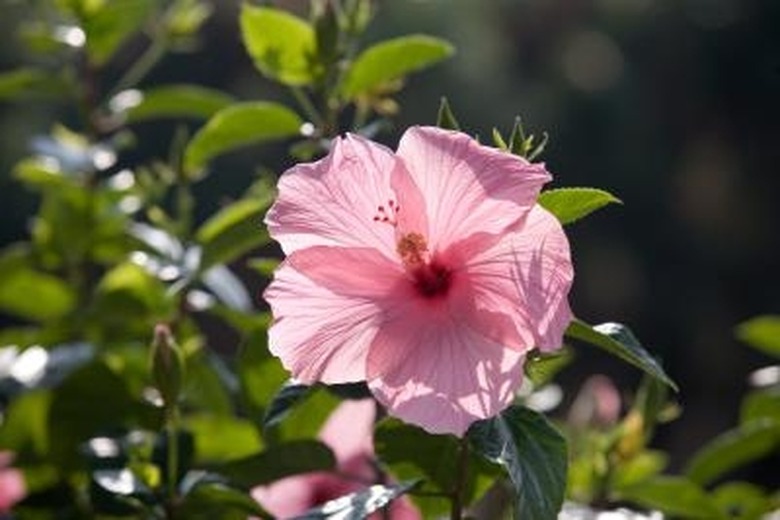
Hibiscus trees are prized for their large, colorful flowers. Hibiscus flowers reach about 6 inches in diameter. Common flower colors include pink, yellow, peach and red.
Step 2
- Other countries have adopted uses for the Hawaiian hibiscus.
- Hibiscus trees can grow up to 15 feet tall when planted in the proper climate, according to the National Gardening Association.
Growing Conditions
Step 1
The most common cause of stunted growth in the hibiscus tree families is a lack of water, according to the National Gardening Association. The trees require 1 inch of water weekly through rain or human watering efforts.
Features
Large, trumpet-shaped flowers in colors of white, yellow, pink, red, orange and blue are the most prominent feature of the hibiscus plant. The bold green foliage is often overlooked in favor of the blooms.
Size
The size of hibiscus depends on the variety, but plants generally range from two to 20 feet in height at maturity with a spread of up to 10 feet or more.
Types
There are more than 200 known species of hibiscus. Hibiscus syriacus, or Rose of Sharon, is the most widely grown. Hibiscus plants include shrubs, small trees and herbaceous plants.
- The most common cause of stunted growth in the hibiscus tree families is a lack of water, according to the National Gardening Association.
Uses
Most types of hibiscus are grown for ornamental value, but certain species are used for medicinal and culinary purposes.
Cultivation
Hibiscus plants prefer full sun, well-drained soil and frequent watering. Hibiscus are tropical plants and cannot tolerate temperatures below 55 degrees Fahrenheit. Plants are propagated from cuttings, division or seeds.
Step 1
Move your hibiscus to a sunny location indoors before the first frost occurs in the fall. Choose a location to ensure that the plant will receive a bare minimum of five hours of bright direct sunlight daily with more like seven or eight hours being optimal.
Step 2
Keep the soil lightly moist at all times during the winter when feeling one inch down into the soil. Refrain from siting the plant near heat and air conditioning vents or anywhere it will be subject to drafts of air such as doors and windows.
- Most types of hibiscus are grown for ornamental value, but certain species are used for medicinal and culinary purposes.
- Refrain from siting the plant near heat and air conditioning vents or anywhere it will be subject to drafts of air such as doors and windows.
Step 3
Return the hibiscus to its outdoor growing location in the spring after the last frost is well passed. Make the transition slowly placing the plant outdoors in a protected and slightly shady location, then in filtered sunlight and then into full sun over a period of a few weeks until it is living in full sun over the summer and early fall.
Step 4
Mulch around the base of outdoor grown hibiscus in the late fall with two to three inches of organic mulch to hold moisture in the soil and protect the roots from temperature fluctuations.
Things Needed
- Hibiscus shrub
- Water
- Organic mulch