

How To Start Spinach Seeds
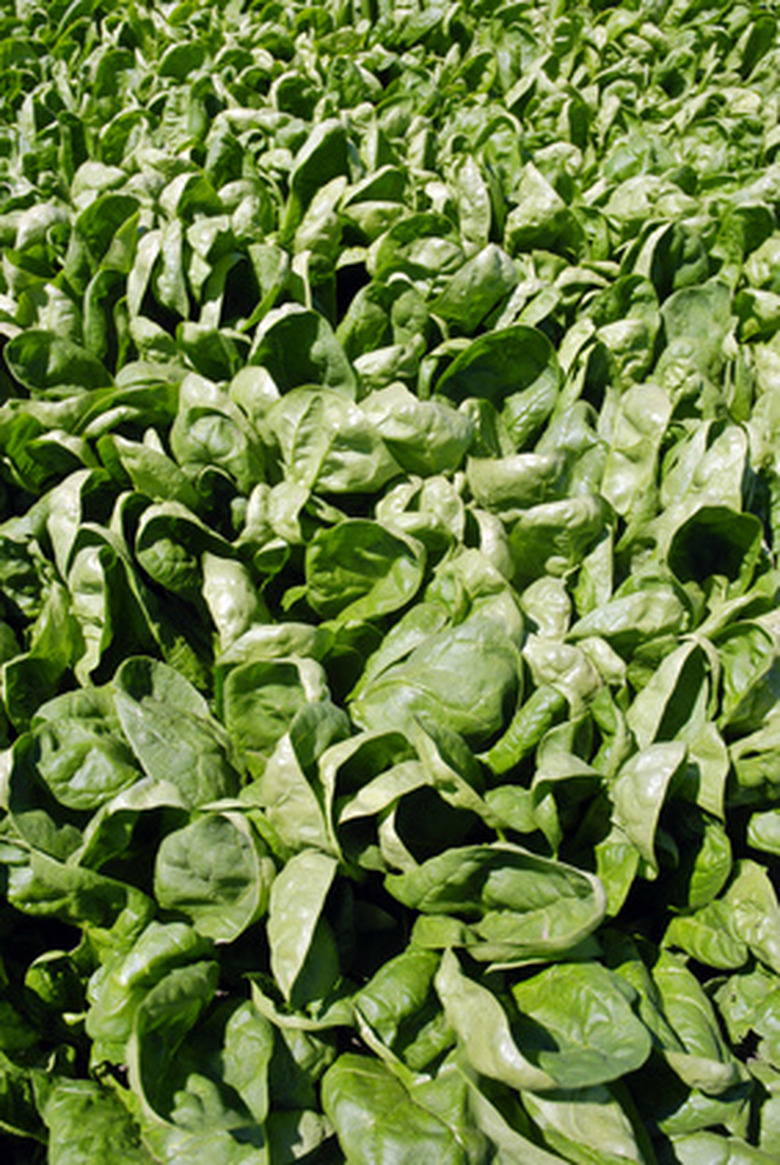
Spinach is a favorite garden crop, and is valued for its use in salads, on sandwiches and as a boiled or steamed side dish. Loaded with vitamins and minerals, spinach is not only a tasty summer treat, but a healthy one. Spinach prefers cooler temperatures, and can be sown in early spring, as soon as you can work the soil. To get a head start on the season, you can start spinach indoors as well. If you choose to start early, you should use peat pellets for starting your seed, as spinach does not fare well when transplanted. Whether you choose to start seeds indoors or out, following a few guidelines will ensure a healthy crop.
Step 1
Plant spinach in early spring, or as soon as the last frost for your area has come and gone. If you are starting your seeds indoors, start them three weeks before the last expected frost date.
- Spinach is a favorite garden crop, and is valued for its use in salads, on sandwiches and as a boiled or steamed side dish.
- If you choose to start early, you should use peat pellets for starting your seed, as spinach does not fare well when transplanted.
Step 2
Place peat pellets on a plastic seed tray, then wet them with water and let them drain.
Step 3
Put two or three seeds in the center hole of the peat pellets, and then cover with 1/4 inch of the potting soil mix. At this point you should mist the tops of the pellets to settle the seeds and the potting soil.
Step 4
Place the dome over the pellets and secure. Set the tray in a bright, but not hot, location.
Step 5
Remove the dome when the seedlings begin to sprout, which should be in a week to 10 days.
Step 6
Set the seedlings in a sunny window and thin them to one seedling per pellet when they reach 2 inches high.
- Place peat pellets on a plastic seed tray, then wet them with water and let them drain.
- Put two or three seeds in the center hole of the peat pellets, and then cover with 1/4 inch of the potting soil mix.
Step 7
Prepare your garden site by digging a row that is 6 to 8 inches deep. Add an inch of compost and some nitrogen-based fertilizer and blend the compost and fertilizer in with the soil. When purchasing fertilizer, nitrogen will be listed first on the ingredients. Follow directions on your product to know exactly how much to use for your location. If planting more than one row, make them 12 to 15 inches apart.
Step 8
Plant the seedlings in their permanent location outdoors, after the last frost. Select a location that receives partial shade and has good drainage. Plant the seedlings in the peat pellets in containers or in the ground, 6 inches apart.
- Prepare your garden site by digging a row that is 6 to 8 inches deep.
- Follow directions on your product to know exactly how much to use for your location.
Step 9
Put the soil back around the seedlings and peat pellets.
Direct Sow In Ground
Step 1
Dig a row that is 6 to 8 inches deep and add an inch of compost and nitrogen-based fertilizer to the soil. Compost is available at most lawn and garden centers or nurseries. When you add the compost and fertilizer, mix them with the soil.
Step 2
Fill the loosened soil back into the row, and scatter the seeds in a thin line along the row.
Step 3
Cover the seeds with 1/4 inch of the soil and tap it down to secure the seeds.
Step 4
Water the rows with a shower nozzle on a watering can, or with the shower or spray setting on a garden hose. Water thoroughly but do not drench.
- Put the soil back around the seedlings and peat pellets.
- Fill the loosened soil back into the row, and scatter the seeds in a thin line along the row.
Step 5
Thin the seedlings to 6 to 8 inches apart when they are 2 inches tall.
Tip
Planting a row of spinach every week for four weeks will give you a fresh supply for early summer months. Spinach also does well in containers. Just use a quality potting soil, sprinkle seeds on top, cover with 1/4 inch of soil, lightly water and set the container in a sunny location.
Warning
Harvest spinach as soon as it is ready. If you let it grow in the ground too long, it will lose its flavor and turn to seed.
Things Needed
- Seed tray with dome
- Peat pellets
- Shovel
- Compost
- Nitrogen fertilizer
- Watering can with shower nozzle or garden hose with shower setting