

How To Grow Helleborus Indoors
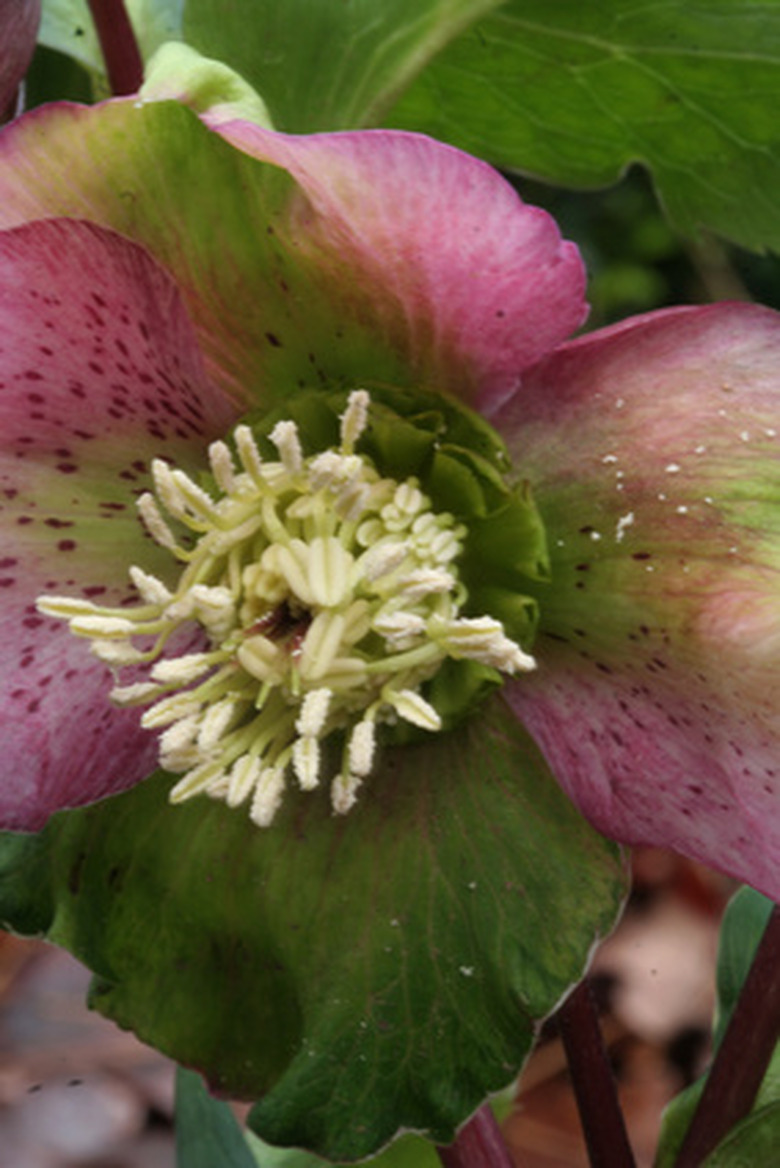
Helleborus refers to a group of flowering evergreen perennial shrubs. Scientists estimate that there are around 20 species and many more cultivars, with new hybrids being created each year. Native to parts of Europe, the plant can vary widely in appearance from species to species. Most bloom in late winter or early spring, and many are popularly grown as houseplants, including the Christmas rose (Helleborus niger) and the Lenton rose (Helleborus orientalis). While care requirements can vary slightly from plant to plant, the basic culture is the same, regardless of the particular species.
Step 1
Choose a container that has drainage holes and a catch-tray for your helleborus. Do not attempt to grow the young plant in the pot it came in from the nursery. The new container should be at least two inches larger in diameter than the purchased potted plant.
- Helleborus refers to a group of flowering evergreen perennial shrubs.
- While care requirements can vary slightly from plant to plant, the basic culture is the same, regardless of the particular species.
Step 2
Fill the container with a high-quality potting soil that is rich in organic materials and well-draining. Soil that has a high quantity of peat moss, sand or perlite works well.
Step 3
Place the pot in a location that receives partial or filtered sunlight. Some varieties of helleborus can grow in full shade, but most enjoy partial shade. Helleborus grows best in a window that receives morning sun and afternoon shade, or a window that receives indirect sunlight, such as one that faces south.
Step 4
Helleborus is drought-tolerant when planted outside, but potted plants usually need more water than their outdoor counterparts. Water your plant when the top few inches of soil dry out. Never let the plant sit in the water that collects in the catch tray, as this can rot the roots.
- Fill the container with a high-quality potting soil that is rich in organic materials and well-draining.
- Helleborus grows best in a window that receives morning sun and afternoon shade, or a window that receives indirect sunlight, such as one that faces south.
Step 5
Prune the hellebore in the spring. Remove tattered or dead foliage. Apply a slow-release, balanced (10-10-10) fertilizer in the spring as well.
Things Needed
- Container with drainage holes and water catch-tray
- Potting soil containing organic compost, peat moss and sand
- Watering tool
- Balanced (10-10-10), slow-release fertilizer