

How To Amend Soil With Wood Chips
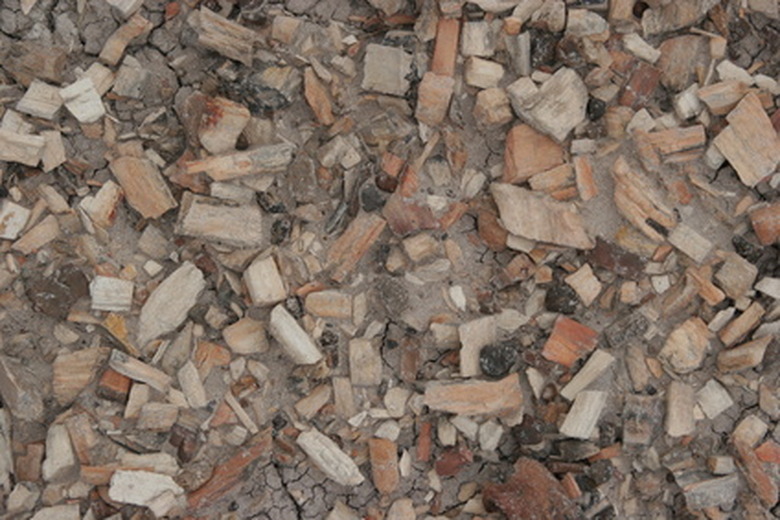
Things Needed
- Wood chips
- Carbon-rich materials
- Nitrogen-rich materials
- Trowels
- Hoe
- Gloves
- Shovel
- Garden hose
Amending soil with supplemental materials provides an inexpensive, natural way for gardeners and nature enthusiasts to enrich the earth. Organic soil amendments, such as wood chips, improve the structure and aeration of the soil; adding these amendments to your soil also allows you to recycle organic waste. According to Colorado State University, amending your soil with wood chips may result in nitrogen deficiency in your plants because the decomposing microorganisms in the earth that break down the wood chips utilize nitrogen during the decomposition process. Avoid this potential problem by amending your soil at least 6 months before planting time.
Step 1
Collect wood chips with other types of organic matter that you can use to amend your soil. Try to collect equal amounts of high-carbon materials (such as your wood chips, dead leaves, straw, old hay and shredded newspaper) and high-nitrogen materials (such as cow or horse manure, coffee grounds, fruit and vegetable waste, and fresh grass clippings) to minimize nitrogen loss in your soil.
Step 2
Mix together the various types of organic matter that you've collected, including the wood chips. Shred any large chunks of waste using your fingers or a pair of trowels. Break any wood chips that are larger than about 2 inches in diameter in half.
- Amending soil with supplemental materials provides an inexpensive, natural way for gardeners and nature enthusiasts to enrich the earth.
- Collect wood chips with other types of organic matter that you can use to amend your soil.
Step 3
Till the soil that you plan to amend. If the soil has already been used for gardening purposes, simply hoe the top 3 to 4 inches of dirt to loosen it. If necessary, remove sod that is covering the soil; wear gloves and use a shovel to loosen and move the sod.
Step 4
Spread the wood chips and other organic matter across the surface of the soil. Sprinkle it in a 2- to 4-inch layer, making sure you cover all of the exposed soil completely. Spray the layer of organic matter with your garden hose to moisten it.
Step 5
Let the wood chips and other organic matter sit on the soil for approximately six months. After this waiting period, mix the organic material thoroughly with the soil using a shovel. Scoop the soil, turning the shovel over to dump the dirt on top of the organic matter.
- Till the soil that you plan to amend.
- Spray the layer of organic matter with your garden hose to moisten it.
Tip
An easy way to amend your soil with wood chips is to add your organic materials in the fall after you've harvested your crops, which allows enough time for it to decompose before spring planting time.