

The Toxicity Of Palm Tree Leaves For Pets
Many common plants are toxic to pets, including sago palm tree leaves. The sago palm grows in warm climates but is a popular house plant, found in many homes and nurseries. The sago palm is the only type of palm tree considered poisonous to dogs, cats and other pets.
Parts
All parts of this plant, including the leaves, are considered poisonous to pets. The most dangerous part of the sago palm, however, is the seed or nut. The roots of the sago palm are another part of the plant that is especially toxic to pets.
Symptoms
According to the ASPCA, symptoms of ingesting the leaves or other parts of the sago palm include drooling, vomiting, diarrhea, a rapid heart rate, liver failure, coma or seizures. If not treated by a veterinarian, a pet that has eaten sago palm leaves could die. According to the Louisiana State University School of Veterinary Medicine, how the plant's toxins affect the liver are what makes it most dangerous, and vomiting is the first sign of danger. Later, more serious symptoms like jaundice, lethargy and a lack of appetite could be seen.
- Many common plants are toxic to pets, including sago palm tree leaves.
- The roots of the sago palm are another part of the plant that is especially toxic to pets.
Identification
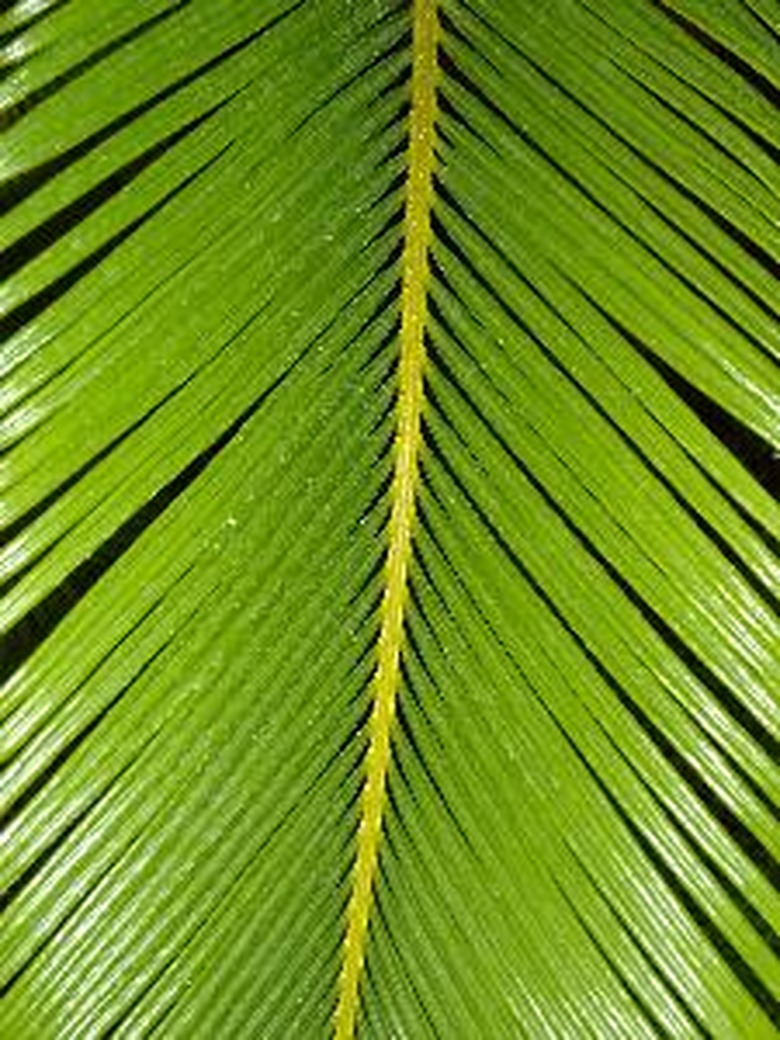
The sago palm resembles a large pineapple, with a thick, spiky base with long, feathery leaves emanating from the top. The leaves of the sago palm can grow up to 10 feet in length, and it is between these leaves that the very poisonous seeds grow.
Warning
The sago palm can also cause reactions in humans. The spiky bark on the base of the plant can prick the skin, resulting in a serious and sometimes painful rash. While some people do not experience a reaction at all, others can have a severe allergic reaction.
Toxicity Of Palm Tree Leaves For Pets
In the tropical or subtropical garden, few trees can meet the majesty and romanticism of a palm tree (Arecaceae). The seeds have the greatest concentration of cycasin and are therefore the most poisonous part of the plant. Initial symptoms in pets may occur in as little as 15 minutes and may include vomiting, drooling, diarrhea and lack of appetite. Liver and central nervous damage may occur in two to three days, eventually leading to death. If you see that your pet has ingested part of a sago palm, do not wait for symptoms to manifest. Contact your local veterinarian or call the ASPCA Animal Poison Control Center at 888-426-4435. The popular coontie palm (Zamia furfuracea) is also not a palm but a cycad, and can cause similarly serious damage when eaten by pets.
- The sago palm resembles a large pineapple, with a thick, spiky base with long, feathery leaves emanating from the top.
- The spiky bark on the base of the plant can prick the skin, resulting in a serious and sometimes painful rash.
References
- ASPCA: 17 Common Poisonous Plants
- UC Davis School of Veterinary Medicine: Pets and Toxic Plants
- ASPCA: Sago Palm
- Pet Poison Helpline: Sago Palm
- North Carolina State University: Cycas Revoluta
- 10 News: Pet owners Sound Alarm On Poisonous Plant That Nearly Killed Dog
- Cornell University: Poisonous Plants Affecting Dogs
- Floridata: Zamia Furfuracea
- Floridata: Cycas Revoluta