

How To Use Fresh Mint Leaves
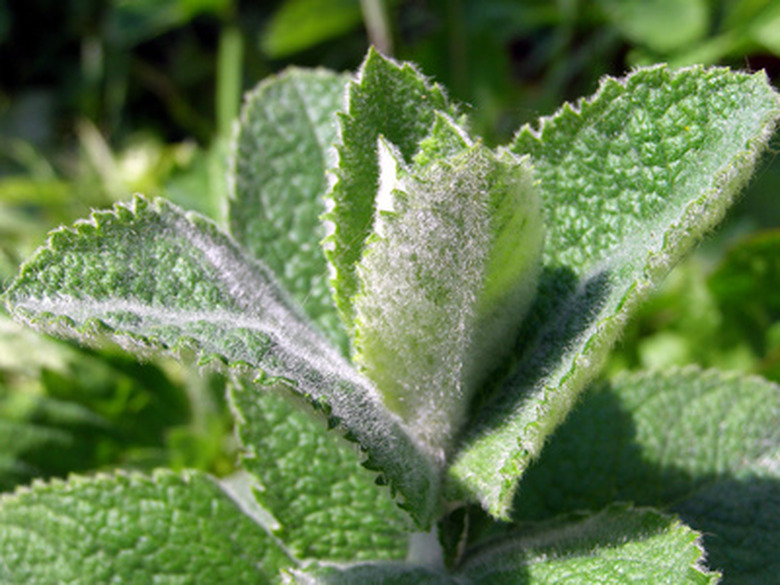
Mint is one of the most popular and common herbs for medicinal and culinary purposes. It is simple to plant, matures quickly, and can add a subtle refreshing flavor to many dishes. There are dozens of common mint varieties available for use, such as spearmint, peppermint and apple mint.
Step 1
Combine mint leaves with olive or almond oil and reduce over low heat for about two hours to create mint oil that can be used for massage or menthol rubbing purposes (for example, to rub on the chest to break up congestion). Use peppermint since it has at least 50 percent menthol content.
Step 2
Make mint tea by adding a teaspoon or two of fresh mint leaves to one boiling cup of water. Drink for sore throats, or just to enjoy the minty flavor. If you drink it after meals it can help aid in digestion since menthol stimulates bile flow. It may also soothe cramps.
- Mint is one of the most popular and common herbs for medicinal and culinary purposes.
- Combine mint leaves with olive or almond oil and reduce over low heat for about two hours to create mint oil that can be used for massage or menthol rubbing purposes (for example, to rub on the chest to break up congestion).
Step 3
Harvest fresh mint leaves to dry for future use. Choose smaller mint leaves as larger ones can become bitter-tasting. Hang the stems upside down in a cool dry place for about a week or two, until they are dry. Store in an airtight container.
Step 4
Add fresh mint leaves to a variety of beverages, such as lemonade, iced tea, juices and even iced water. Use fruity mint varieties for juices, and spearmint or peppermint for more mild beverages like water or tea. Make the popular mojito cocktail by combining spearmint, rum, club soda, lime and sugar.
- Harvest fresh mint leaves to dry for future use.
- Use fruity mint varieties for juices, and spearmint or peppermint for more mild beverages like water or tea.
Step 5
Toss chopped up mint leaves raw with jelly, fruit salads, yogurt, chocolate puddings and pies. You can garnish just about any dish with a mint sprig to make it appear attractive, particularly meat dishes.
Indoor Mint Leaves With Black/brown Spots
The best place to grow mint (Mentha spp.) Web blight is a fungal disease caused by Rhizoctonia solani, which also causes damping off, a seedling disease. Rinse the pot thoroughly after disinfecting it. Destroy infected mint plants. Symptoms of tomato spotted wilt virus include dead growing tips and dead spots on the leaves. There is no cure for the disease and the best course of action is to remove the plant and dispose of it. The mite's feeding causes brown splotches on the foliage. Four-lined plant bugs (Poecilocapsus lineatus) feed on mint foliage, leaving brown, dead spots behind. Treat the problem using an insecticidal soap spray to thoroughly cover the plant to the point of dripping. To rid the plant of sooty mold, first rid it of aphids. Mint does not tolerate salt and shows its discomfort by turning the tips of leaves brown and crispy.
- Toss chopped up mint leaves raw with jelly, fruit salads, yogurt, chocolate puddings and pies.
- Treat the problem using an insecticidal soap spray to thoroughly cover the plant to the point of dripping.
Things Needed
- Stove top
- Olive or almond oil
- Fresh mint leaves
- Water