

Main Characteristics Of Flowering Plants
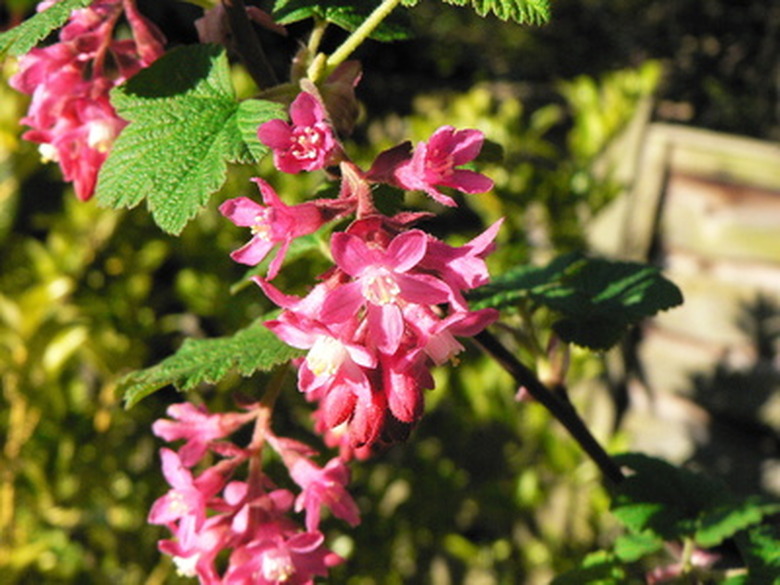
Flowering plants, or angiosperms, have existed for more than 130 million years and make up more than 90 percent of the plant kingdom. These plant species have adapted to every habitat on Earth including dense forests, grasslands, meadows, deserts and alpine summits. Flowering plants have a set of distinct characteristics that separate them from gymnosperms, or non-flowering plants.
Single or Multiple Cotyledons
Traditionally, flowering plants are divided into two main classes–monocots (Liliopsida) and dicots (Magnoliopsida–depending on the number of cotyledons they contain. The cotyledon is the part of the seedling first visible when it grows out of the soil. This leafy structure is wrapped around the seed and supplies essential nutrients to it. Monocots feature an embryo with a single cotyledon while dicot flowering plants feature two cotyledons. It is for this reason monocots are called monocotyledonae (single cotyledon) and dicots are called dicotyledonae (two cotyledons). The pollen monocots produce feature a single pore called monosulcate, while dicotyledonae pollen features three pores or furrows called triporate.
- Flowering plants, or angiosperms, have existed for more than 130 million years and make up more than 90 percent of the plant kingdom.
- Traditionally, flowering plants are divided into two main classes–monocots (Liliopsida) and dicots (Magnoliopsida–depending on the number of cotyledons they contain.
Flowers
Flowers, the reproductive organs of all plants, distinguish flowering plants (angiosperms) from seed plants (gymnosperms). Flowers that contain either male or female parts are called imperfect, while those with both are called perfect flowers. The stamen is the male reproductive part that is comprised of a yellow anther that features a sac full of pollen, and the delicate, long stem it rests on, called the filament. The female reproductive part is the pistil that is usually found in the center of a flower. It is comprised of three parts–the upper sticky part that catches and traps pollen is the stigma; the tubular part called style that supports the stigma; and the lower part that contains the ovule is called the ovary. The ovule develops into the seed when fertilized by pollen grains. Self-pollinating or hermaphroditic plants contain both male and female flower parts.
- Flowers, the reproductive organs of all plants, distinguish flowering plants (angiosperms) from seed plants (gymnosperms).
- The stamen is the male reproductive part that is comprised of a yellow anther that features a sac full of pollen, and the delicate, long stem it rests on, called the filament.
Fruits
Flowering plants bear one or several seeds enclosed in fruit. This fructification characteristic distinguishes angiosperms from gymnosperms–seed plants that produce seeds that are naked and do not lie within any fruit, such as fir, pine and spruce trees. Angiosperms are comprised of the largest majority of plants that bear seeds. Each plant variety of angiosperms features a different size and shaped fruit which helps identify and classify the particular species. These fruits are available in a variety of colors and liven up the landscape during growing season.