

How To Maintain Indoor Plants
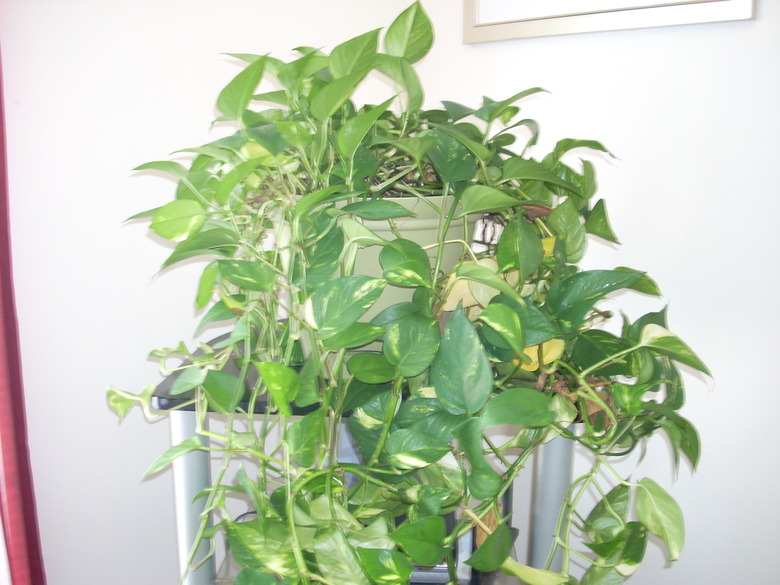
Indoor houseplants add beauty to any room. They are not only aesthetically pleasing but also work to clean the air inside your home. Most people do not really know how to maintain indoor plants correctly. Although they require very little maintenance, some guidelines should be followed to make sure your indoor plants thrive inside the home.
Step 1
Water indoor plants only when it is necessary. Too little water, and the plant will wilt. Too much water, and the roots will rot. Soil should be kept moist but not saturated in water.
- Indoor houseplants add beauty to any room.
Step 2
Water the soil directly, and avoid watering the plant foliage. Continue watering until the water begins to drain.
Step 3
Remove plants from windowsills at night during cooler months. Although plants love the light during the day, the temperature drops at night can kill houseplants.
Step 4
Maintain an even temperature for your houseplants. Temperatures should stay between 65 and 75 degrees Fahrenheit during the day. At night they should not be any cooler than 55-degrees Fahrenheit.
- Water the soil directly, and avoid watering the plant foliage.
- Maintain an even temperature for your houseplants.
Step 5
Place plants that require high humidity in kitchens and bathrooms. Orchids do very well in these types of environments.
Step 6
Fertilize indoor plants once a month with a water soluble plant food. To promote growth, do not fertilize plants that are dormant.
Step 7
Repot plants when they become too large for their existing pots. Prepare new pots with potting soil, and transplant the plant. Be careful when disturbing the root system of the plant. Expect the plant to look unhealthy for a few days until the shock of being moved has passed. Most plants recover in 3 to 5 days.
- Place plants that require high humidity in kitchens and bathrooms.
Step 8
Set your plants so they have indirect sunlight at least 6 hours a day. Most indoor plants will thrive on this type of lighting.
Maintain An Indoor Plant
Display the houseplant in an area of the home that receives sufficient sunlight, which varies depending on the plant variety. Many indoor plants only require medium or low sunlight, so place these where they receive four to six hours of bright, indirect sunlight. Set plants with high light needs where they receive at least six hours of direct sun. Maintain a temperature between 65 and 75 degrees Fahrenheit in your home. Fill the tray with water to below the top of the pebbles. The water in the tray provides humidity for tropical plants, but the pebbles prevent the soil in the pot from absorbing the moisture. Pour the water directly onto the soil and avoid wetting the foliage. Allow the excess moisture to drain from the pot for 30 minutes, and then empty the drip tray. Replant at the same depth in a new container that is one size larger than the old one.
- Set your plants so they have indirect sunlight at least 6 hours a day.
- Many indoor plants only require medium or low sunlight, so place these where they receive four to six hours of bright, indirect sunlight.
Things Needed
- Water
- Water soluble fertilizer
- Pots for repotting
- Potting soil