

Planting In North Carolina
Step 1
Native to North Carolina are 4,000 plant species, and 162 of these plants are threatened or endangered. The North Carolina Native Plant Society encourages the creation of native plant habitats in an effort to help save the state's native species. Although the more rare plants aren't suitable for your home garden, many North Carolina perennials will do quite well.
Dragon's Mouth
Because Arethusa bulbosa grows in mountain bogs, this plant is sometimes called the bog rose. This is a perennial plant, in the orchid family, with flowers that bloom in shades of rose and lavender. Dragon's mouth has a very short blooming period: June 1 to July 10. Plant collectors have destroyed many populations of the dragon's mouth, and it is currently listed as endangered in North Carolina.
- Native to North Carolina are 4,000 plant species, and 162 of these plants are threatened or endangered.
- Plant collectors have destroyed many populations of the dragon's mouth, and it is currently listed as endangered in North Carolina.
Purple Coneflower
Botanists call this plant Echinacea purpureaa. A popular perennial in North Carolina gardens, purple coneflower doesn't occur in the wild very often, due to habitat destruction. This sun-loving plant blooms in purple flowers with dark orange centers from June to August. If you are interested in growing the purple coneflower in your garden, just find it a sunny spot, throw some seeds in the ground and watch it grow. It is a drought-tolerant and very hardy plant.
White Bergamot
You may see this plant referred to by its scientific name: Monarda clinopodia. This perennial wildflower, a member of the mint family, generally grows in the mountains but will also grow in the Piedmont. Reaching a height of 3 feet, white bergamot blooms in the spring with white to off-white small, fringed flowers.
- Botanists call this plant Echinacea purpureaa.
- This perennial wildflower, a member of the mint family, generally grows in the mountains but will also grow in the Piedmont.
Plant during February and March in eastern North Carolina, and March, April and May in the western part of the state. Cover seeds with 4 inches of soil and water regularly. Avoid very wet and cold planting periods.
Blue Ridge Mountains Ecoregion
The Blue Ridge Mountains Ecoregion is an area of rolling hills, mountains, steep slopes and escarpments, plateaus and valleys. The soils are mainly inceptisols, ultisols and entisols. The land is forested or used as pasture and crop lands, with some urban and suburban areas.
Piedmont Ecoregion
The Piedmont Ecoregion is comprised of inceptisols and entisols on the floodplains, and ultisols and alfisols on the hills, ridges and plains. The ecoregion is forested with croplands and urban areas.
- Plant during February and March in eastern North Carolina, and March, April and May in the western part of the state.
- The Piedmont Ecoregion is comprised of inceptisols and entisols on the floodplains, and ultisols and alfisols on the hills, ridges and plains.
Middle Atlantic Coastal Plain Ecoregion
The Middle Atlantic Coastal Plain Ecoregion is an area of poorly drained swamps, tidal marshes, dunes and beaches. The soils are ultisols, inceptisols, alfisols and histosols. The land includes forests, wetlands, pasture and urban areas.
Southeastern Plains
The Southeastern Plains Ecoregion includes plains, terraces, slopes and floodplains. The soils are ultisols, inceptisols and entisols. In addition to forests and wetlands, the land is used for pasture, crops and urban areas.
Step 1
Isolate the area that has the nematodes and do not plant new crops there. Nematodes spread with water and along plant roots.
- The Middle Atlantic Coastal Plain Ecoregion is an area of poorly drained swamps, tidal marshes, dunes and beaches.
- The soils are ultisols, inceptisols, alfisols and histosols.
Step 2
Rotate the crops in your garden each season, or every other season, to reduce the spread of nematodes, says North Carolina State University.
Step 3
Add 1 to 3 inches of organic matter to the soil and till it in each year to increase the organic matter content. According to North Carolina State University, organic matter decreases nematode populations by promoting good drainage.
Step 4
Allow an area to lay fallow for a two-year period if there is a bad nematode infestation. Nematodes will not survive in fallow soil.
Step 5
Add crab meal to the soil at a 10 to 20 percent ration to control nematode population. Add crab meal to the soil before planting.
- Rotate the crops in your garden each season, or every other season, to reduce the spread of nematodes, says North Carolina State University.
- Add crab meal to the soil at a 10 to 20 percent ration to control nematode population.
Step 6
Cover empty soil in marigold seeds and allow them to grow. According to North Carolina State University, marigolds decrease nematodes by 90 percent.
Geography

Step 1
The Tarheel State is generally discussed as three garden regions: the western mountains, the Piedmont, and the coastal plain. The mountains have the coldest winters, with the last spring frosts occurring as late as April 25 through May 5, after May 15 on the highest peaks in Avery County. The rolling foothills and woodlands of the Piedmont are at lower elevations and last spring frosts happen between April 10 and 20. The lowland plains in the far eastern counties enjoy the mildest winter and earliest spring; last frost occur between March 26 and April 10.
Time Frame
Step 1
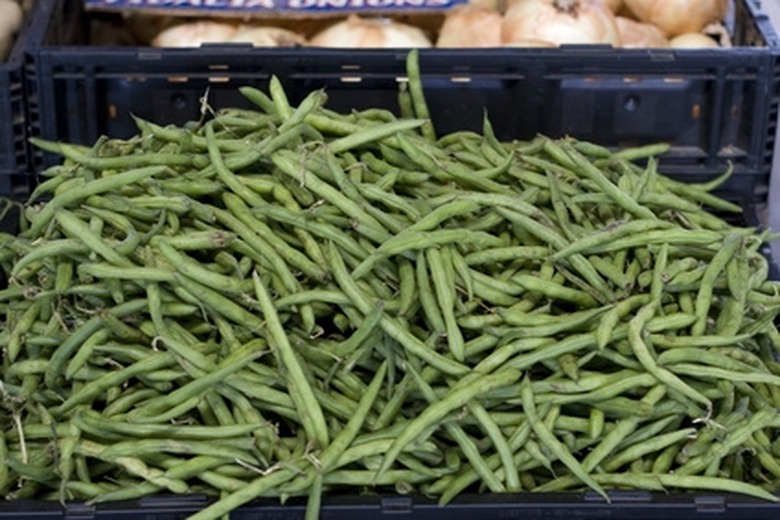
String beans are sown as seeds in North Carolina in spring immediately after the last expected spring frost date. According to "Month-by-Month Gardening in the Carolinas," the soil temperature at the 2-inch depth needs to be at least 50 degrees F. According to North Carolina State University Extension, string beans are sown around April 15 in the central Piedmont and higher elevations of the coastal plain,
Step 2
- Cover empty soil in marigold seeds and allow them to grow.
- According to "Month-by-Month Gardening in the Carolinas," the soil temperature at the 2-inch depth needs to be at least 50 degrees F. According to North Carolina State University Extension, string beans are sown around April 15 in the central Piedmont and higher elevations of the coastal plain,
Soil Conditions
Step 1
Two weeks prior to the last expected spring frost date in your area, till the vegetable garden soil to a depth of 8 to 12 inches. Add 2 to 5 inches of organic matter like compost or well-rotted manure and incorporate it thoroughly. Allow the freshly tilled soil to naturally settle and warm in the sun prior to seed sowing after the threat of frost ends.
Fall Planting
Step 1
String beans may also be sown again in mid August in the Piedmont and late August across the coastal plain. The plants mature in the warm weather across September and produce pods for harvest up until killing frosts anytime from mid October to mid November.
Spring-blooming Bulbs
Step 1
Plant spring-blooming bulbs in November and December in zones seven and eight. If you are in zone 6, you can plant them in October. The soil temperature at this time of year is ideal for allowing the bulbs to develop a strong root structure through the winter.
Step 2
- Two weeks prior to the last expected spring frost date in your area, till the vegetable garden soil to a depth of 8 to 12 inches.
- The plants mature in the warm weather across September and produce pods for harvest up until killing frosts anytime from mid October to mid November.
Summer and Fall Bulbs
Step 1
Bulbs that will blossom in the summer and fall will be planted in the late spring, generally in early May. Most summer-flowering bulbs do not overwinter, except for iris, lilies and daylilies.
Bulb Depth
Step 1
Bulbs are planted to a depth of five or eight inches, depending on the size of the bulb. If you are planting multiple bulbs in the same location, plant the larger bulb eight inches below the ground and then place the smaller bulb five inches deep.
Mulch
Step 1
Bulbs need to stay hydrated and avoid freezing once they are planted. Laying two inches of organic mulch on top of the flower bed after planting helps the ground stay moist and adds protection against cold and weeds.
Step 1
Prepare the bed for planting by removing weeds and other vegetation. It's best to do this the autumn before the plants will be planted.
- Bulbs that will blossom in the summer and fall will be planted in the late spring, generally in early May.
- Most summer-flowering bulbs do not overwinter, except for iris, lilies and daylilies.
- Bulbs are planted to a depth of five or eight inches, depending on the size of the bulb.
Step 2
Dig a hole so the bush will be planted at the same depth it was when it was at the nursery. Check with a gardener where you bought the plant if you are unsure about the depth.
Step 3
Fill in the dirt around the plant, making sure the firmly pat it down with your feet or hands so all the air pockets are removed.
Step 4
Add 3 to 4 inches of sawdust mulch or another mulch around the plant.
Step 5
Water the plant thoroughly so it can begin to establish roots in its new location.
Step 6
Prune the bush to remove any flower buds. This will ensure it does not produce fruit until the second year after planting, when it is more mature and established.
- Dig a hole so the bush will be planted at the same depth it was when it was at the nursery.
- Fill in the dirt around the plant, making sure the firmly pat it down with your feet or hands so all the air pockets are removed.
Tip
If you are planting multiple blueberry bushes, space the plants 4 feet to 6 feet apart. Rows should be 8 feet to 12 feet apart. Blueberries will grow best in well-drained soil. If your bed does not drain well, consider planting in a raised bed. Acidic soil is best for blueberries, which prefer a pH range between 4.8 and 5.2. If you do not know your soil's pH you can bring a sample to a public university's extension office for testing. Weed your blueberry bed each spring for the best fruit yield.
Things Needed
- Blueberry bushes
- Shovel or trowel
- Mulch
- Water
- Pruning tools
Geography
Step 1
In the United States, snowdrop flowers grow wild in Washington, Utah, Ohio, Pennsylvania, New York, Massachusetts, Rhode Island, New Jersey, Delaware, Maryland, the District of Columbia, Virginia and North Carolina. Snowdrop plants are also grown in gardens throughout other areas of the country.
Appearance
Step 1
The snowdrop flower consists of small buds and three drooping white petals with bright green centers. The overall shape of the snowdrop flower is that of a bell.
Size
Step 1
The snowdrop is a small plant, only growing around four to six inches tall, though garden varieties sometimes are as large as 10 inches.
Time Frame
Step 1
The snowdrop flower is a perennial, meaning it has the potential to bloom many times during its life cycle. The flowers typically bloom in the early spring.
Step 2
- In the United States, snowdrop flowers grow wild in Washington, Utah, Ohio, Pennsylvania, New York, Massachusetts, Rhode Island, New Jersey, Delaware, Maryland, the District of Columbia, Virginia and North Carolina.
- The snowdrop flower is a perennial, meaning it has the potential to bloom many times during its life cycle.
Risks
Step 1
When eaten, the bulb of the snowdrop flower causes nausea, vomiting and diarrhea in humans and animals.
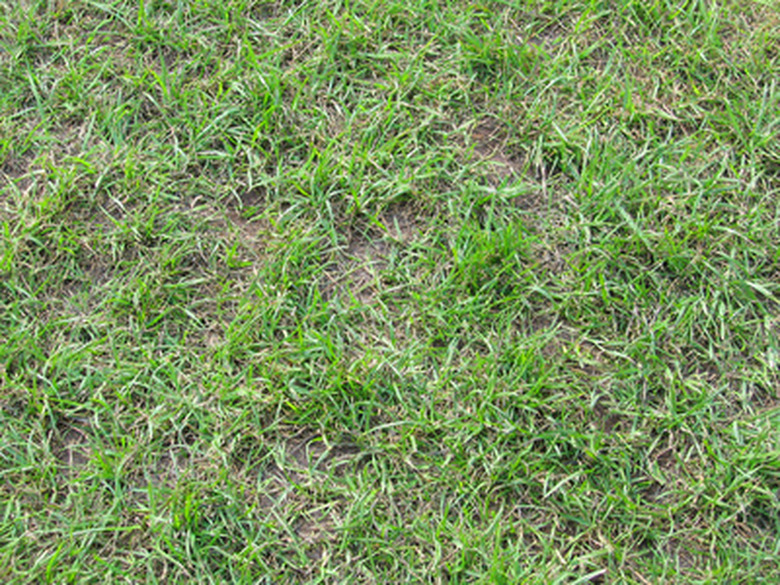
Bermuda grass and zoysia grass are the best grass choices for a drought in North Carolina, according to North Carolina State University Extension. Both are rated "excellent" for their drought tolerance.