

Palm Tree Facts For Kids
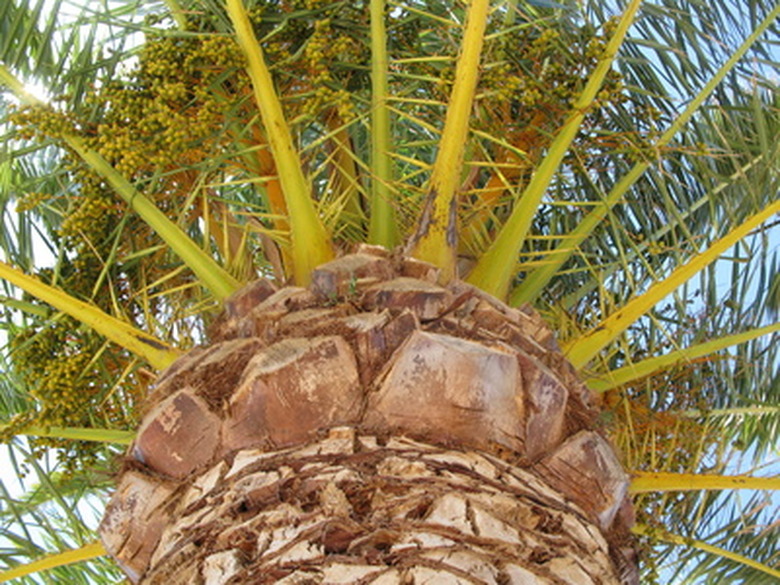
While you may or may not have palm trees growing outside where you live, the tree is one of the most versatile and widespread, with native species found throughout the warmer regions of the world. These trees may be tall or shrub-like, and may even be used as shelter in some places. Though palm trees are pretty to look at, they offer more value than just their beauty. Some of them produce food and medicine.
Tallest Palm Species
The tallest palm species in the world is the wax palm. Preferring warmer temperatures and higher altitudes, it is well suited for countries with mountains located in the tropics, which is why it is the national tree of Colombia. The trees are capable of reaching up to 200 feet, towering above many other trees in the region. The wax palm has a wax-like substance on its fronds that has been used to make soap and candles.
- While you may or may not have palm trees growing outside where you live, the tree is one of the most versatile and widespread, with native species found throughout the warmer regions of the world.
Smallest Palm
Though growth of palm trees is dependent upon local conditions, one of the smallest palms is the lady palm, which can grow as tall as 12 feet, but rarely does. In fact, a height of six feet is common. Therefore, this palm is a favorite for indoor gardeners and those who want a potted palm tree for a colder climate. This palm can be found outdoors along the southern region of the United States and the Pacific coast, being found as far north as Seattle.
Fruit
Several palm tree varieties have fruits that are marketable, either around the world or to local buyers. The coconut palm and the date palm are two of the most common varieties and those fruits, or products made with those fruits, can be found in many grocery stores. The jelly palm has fruit that taste like apricots and are popular in South America, being native to Brazil.
- Though growth of palm trees is dependent upon local conditions, one of the smallest palms is the lady palm, which can grow as tall as 12 feet, but rarely does.
- The jelly palm has fruit that taste like apricots and are popular in South America, being native to Brazil.
Medicinal Quality
Though many may not think of the palm tree as a source of medicines, some palm tree varieties have extract that is used to promote health. One of the most common palm varieties for medicine is the saw palmetto. This tree produces a fruit which has a juice and has been cooked into a tea to treat urinary and prostate conditions. The effectiveness of this method is still being evaluated.
Cold Tolerance
Most palm trees that live in tropical environments are not very cold tolerant at all. Most will die or become extremely damaged in temperatures that dip below freezing, but some have the ability to withstand cold temperatures. The most cold-hardy palm is generally considered to be the needle palm. This palm is planted outside with very little protection in areas as far north as New York City. It can withstand temperatures as low as 20 degrees below zero.
- Though many may not think of the palm tree as a source of medicines, some palm tree varieties have extract that is used to promote health.
- This palm is planted outside with very little protection in areas as far north as New York City.