

How To Transplant Ground Cover
Things Needed
- Spade or tiller
- Compost or manure
- Garden fork
- Piece of cardboard or cardboard box
- Organic mulch
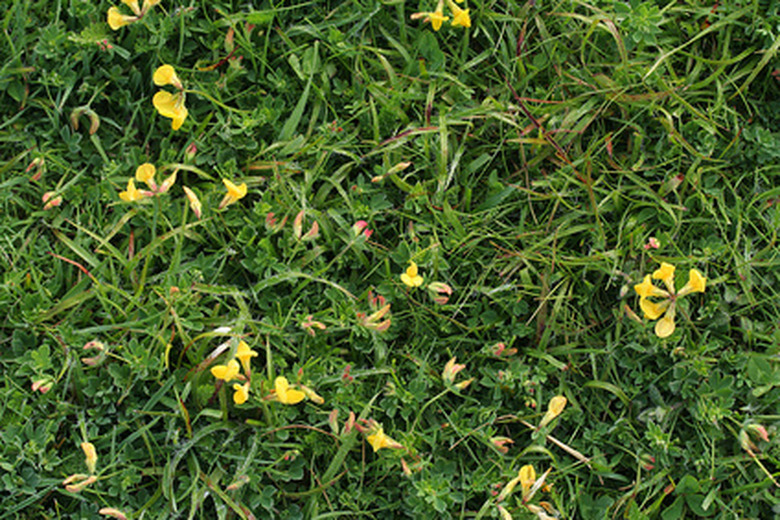
Ground covers are handy plants to have around. They can control erosion on a difficult slope or fill in bare spots next to a driveway or foot path. Most ground covers are evergreen and are often planted under shady trees where nothing else will grow. Most are low-maintenance plants that usually require only an occasional trim once they're established. They can easily be transplanted from one location to another.
Step 1
Transplant ground covers in early spring so that the roots have time to establish before the heat of summer. If you live in a warm climate with mild winters, ground covers can be transplanted in spring or autumn. If possible, transplant on a cool, overcast day.
- Ground covers are handy plants to have around.
- They can control erosion on a difficult slope or fill in bare spots next to a driveway or foot path.
Step 2
Prepare the planting area at least a day ahead of time. Work the soil to a depth of 10 to 12 inches with a spade or tiller, then work in 3 to 4 inches of compost or manure. Water the area lightly the day before transplanting.
Step 3
Dig the ground cover with a spade or garden fork. Dig on all sides of the plant, then lift the plant carefully from the ground. Keep the roots intact as much as possible. Remove any dead area or yellowing areas, along with areas that have rotten, brown or soft roots.
- Prepare the planting area at least a day ahead of time.
- Dig on all sides of the plant, then lift the plant carefully from the ground.
Step 4
Place the ground cover on a piece of cardboard or in a cardboard box to move the plant to its new area. If you won't be transplanting the ground cover immediately, place the plant in the shade and keep the roots damp.
Step 5
Dig a hole only as deep as the ground cover's root ball, but two or three times as wide. Place the ground cover in the hole. Be sure the plant is at the same soil level as it was planted previously. If the ground cover is planted too deep, the plant can rot.
Step 6
Back-fill the hole with reserved soil. Water the area to settle the soil around the roots, then add more soil to replace any soil that has settled.
- Place the ground cover on a piece of cardboard or in a cardboard box to move the plant to its new area.
Step 7
Spread 2 to 3 inches of organic mulch around the ground cover, but don't pile it directly on the plants. Mulch will conserve soil moisture, deter weeds and enrich the soil
Step 8
Keep the soil damp until the transplanted ground cover roots, which is indicated by the appearance of new growth. After that time, most ground covers require irrigation only during hot, dry weather.