

What To Do With Leftover Briquette Ash
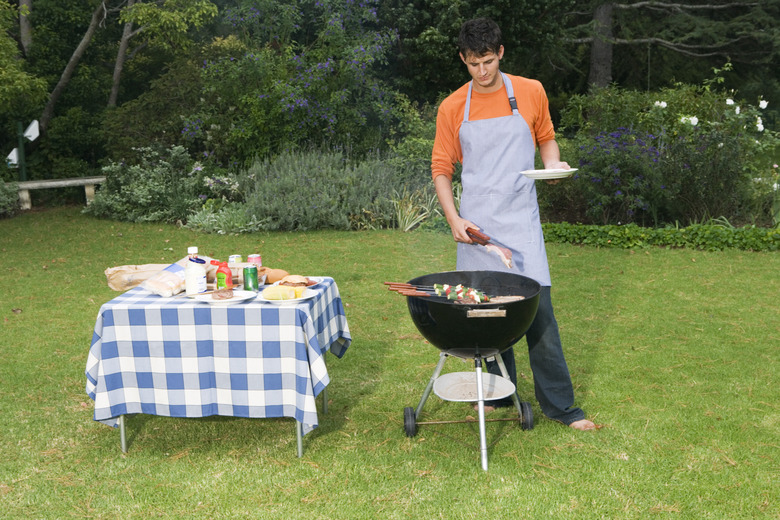
After cooking a meal or two on a charcoal-fueled fire, the leftover ashes must be removed in order to ensure the next grilling experience is as good as the last. There are number of options for disposing of the ash, ranging from simply discarding them in the trash to recycling them for other uses.
After cooking a meal or two on a charcoal-fueled fire, the leftover ashes must be removed in order to ensure the next grilling experience is as good as the last. There are number of options for disposing of the ash, ranging from simply discarding them in the trash to recycling them for other uses.
Ash in the Trash
Make sure the ash is completely cool by waiting at least a day before collecting it or dousing it with water. The Oshkosh, Wisconsin fire department recommends placing ashes in a metal container for at least a week and storing it away from any combustible areas, such as a garage, deck or woodpile. After a proper cooling off period, the ashes can be disposed of with the rest of your household trash.
Lawncare
Leftover charcoal ash can be used to help increase the pH levels in your yard. Rather than use lime and potash as a fertilizing material, collect ash in a metal bucket over the course of a grilling season and then spread the ash on your yard in an amount of no more than 10 to 15 pounds per 1,000 square feet. Charcoal also can help bind important soil nutrients such as potassium and prevent them from leaching away before they can be beneficial to a garden.
- After cooking a meal or two on a charcoal-fueled fire, the leftover ashes must be removed in order to ensure the next grilling experience is as good as the last.
- The Oshkosh, Wisconsin fire department recommends placing ashes in a metal container for at least a week and storing it away from any combustible areas, such as a garage, deck or woodpile.
Controlling Garden Pests
Charcoal ash can serve as a barrier to slugs. Spinkle a small amount around the outer edge of a plant to keep slugs from destroying its leaves and roots.
Handling Precautions
Making sure the ashes are cool is just one precaution that should be taken when it comes to handling ashes. Since it is a strongly alkaline material, charcoal should be handled with care. Wear eye protection and gloves to prevent irritation. In the yard and garden, keep ash away from newly germinated seeds to ensure the excess salts do not harm young plants.