

The Best Plants To Grow Hydroponically
Growing plants without soil, a practice that began centuries ago, has experienced a resurgence in popularity. Hydroponic systems encourage rapid plant growth because their liquid solutions make nutrients readily available for quick absorption, according to the University of Alabama Cooperative Extension. Another advantage of hydroponics is the elimination of many pest problems common with soil-grown plants. A variety of flowering plants, vegetables and herbs are well suited for hydroponic gardens.
African Violets
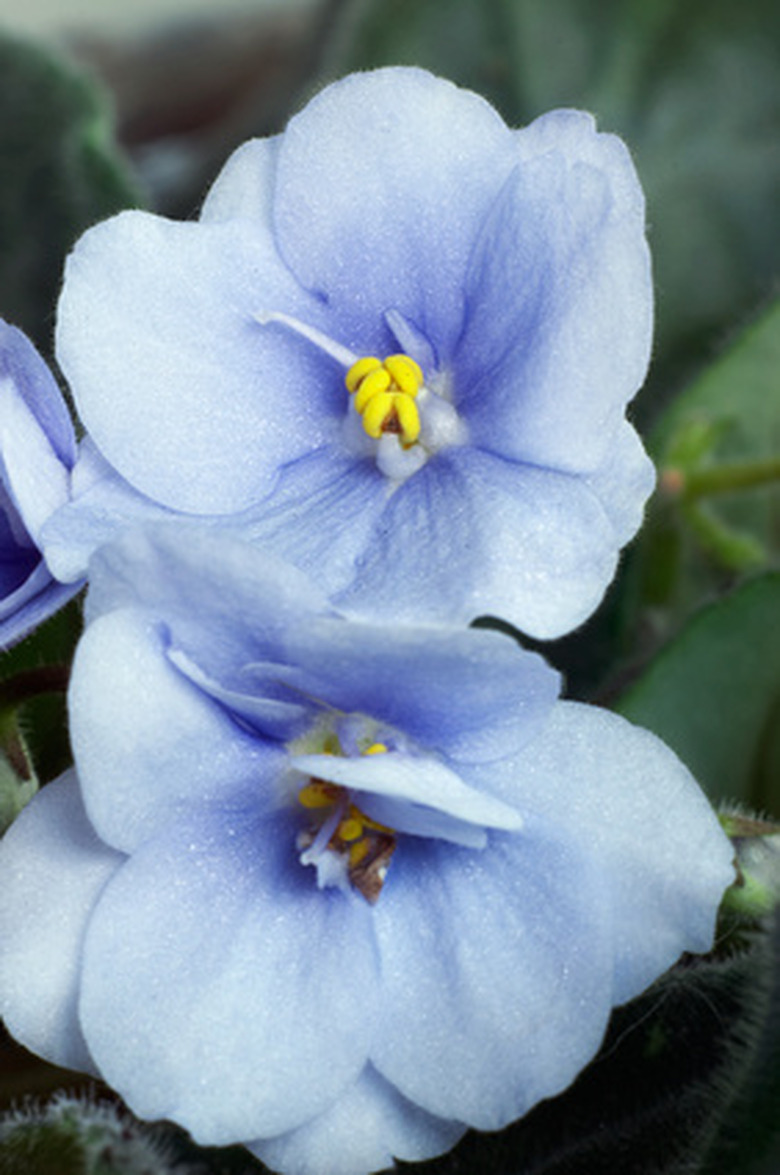
With their tropical origins, African violets grow well hydroponically. Despite their reputation to the contrary, African violets are easy to grow, according to Cornell University, and they offer year-round blooms, which has led to their popularity as houseplants. African violets prefer relatively high humidity and a temperature between 70 and 75 degrees F during the day, and about 5 degrees cooler at night.
- Growing plants without soil, a practice that began centuries ago, has experienced a resurgence in popularity.
- With their tropical origins, African violets grow well hydroponically.
Begonias
Begonias, another plant of tropical origins, do well in hydroponic growing environments according to the University of Hawaii. These showy flowering plants prefer warm temperatures and high humidity, and like many plants originally from tropical settings, do not require a lot of light. Begonias may be started from seed or from tubers.
Zinnias
Easy-to-grow zinnias are a colorful addition to a hydroponic garden and you can enjoy them right where you grow them, or cut them to use in flower arrangements. Zinnias are prolific bloomers and come in a wide range shapes, sizes and colors. For small hydroponic gardens, choose compact zinnia varieties. Zinnias grow best with at least six hours of full sun (or bright light) daily.
- Begonias, another plant of tropical origins, do well in hydroponic growing environments according to the University of Hawaii.
- Easy-to-grow zinnias are a colorful addition to a hydroponic garden and you can enjoy them right where you grow them, or cut them to use in flower arrangements.
Tomatoes
Tomatoes, a popular vegetable in hydroponic gardens, reward the grower with tasty, fresh fruit. Tomato plants require eight to 10 hours of direct sun daily for optimal growth, which means supplemental lighting is often needed when growing tomatoes indoors. Hydroponic tomatoes have a high calcium requirement, the University of Florida notes, which may require supplementing a standard hydroponics solution.
Leaf Lettuce
A cool season vegetable, leaf lettuce is a quick and easy-to-grow plant for the hydroponic garden. Leaf lettuce will usually grow well even in dim lighting, which means gardeners have good results even in basement hydroponic gardens. The University of Florida explains that you can grow two crops of lettuce in a hydroponic solution before the solution needs to be replaced with a new batch.
Cilantro
A fairly low-maintenance plant, cilantro is a cool season herb with growing requirements similar to parsley. Growers can add a fresh homegrown touch to Mexican and Asian dishes by snipping off some fresh cilantro for garnish just minutes before serving a meal. Cilantro leaves are ready for harvest when plants reach 4 to 6 inches tall, which is approximately 10 to 12 weeks after planting. For coriander seed, simply let the plants grow longer and allow seed heads to form.
- Tomatoes, a popular vegetable in hydroponic gardens, reward the grower with tasty, fresh fruit.
- Hydroponic tomatoes have a high calcium requirement, the University of Florida notes, which may require supplementing a standard hydroponics solution.