

Georgia Winter Vegetable Garden
The vegetables you can grow in the winter in Georgia depends on where you live. If you live in the Blue Ridge Mountains up north, the winter temperatures can dive to 0 to 5 degrees Fahrenheit. If you live in the middle of Georgia, you can grow a wider range of vegetables, including Vidalia-style sweet onions. If you live near Savannah or Valdosta in the south where winter temperatures are more mild, you can grow the same kinds of vegetables grown in northern Florida.
Cold Protection
You can protect winter vegetables from the cold by building a cold frame or low tunnel. Make your frame about 3 feet wide and 6 feet long and cover it with glass or plastic. If you put a hinge on one side, you can lift it like a lid to care for your vegetables inside. During cold snaps, you can can throw old blankets or burlap bags over your cold frame; when the weather warms up to normal, simply remove the protective covers.
- The vegetables you can grow in the winter in Georgia depends on where you live.
- If you live near Savannah or Valdosta in the south where winter temperatures are more mild, you can grow the same kinds of vegetables grown in northern Florida.
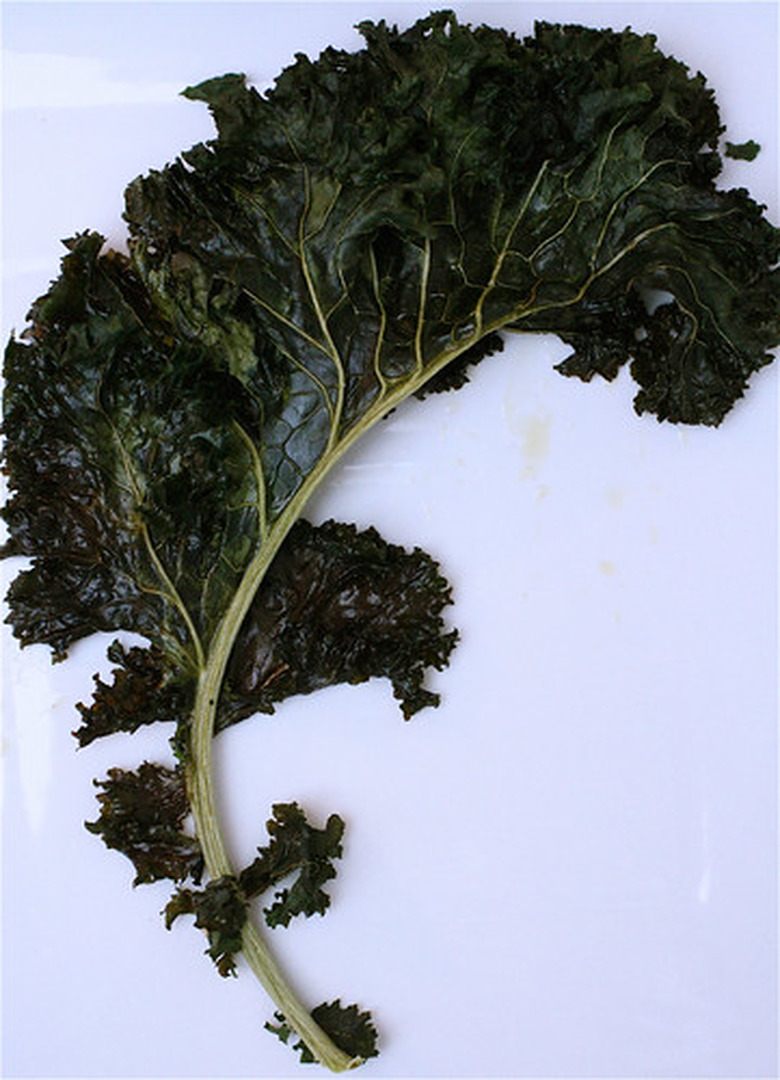
In a cold frame, carrots turnips and certain other tubers can be harvested throughout the winter. Kale, collards, and some other greens such as spinach can also withstand the cold and be grown through the winter in cold frames.
Mulching
A good way to protect your winter vegetables from the cold is to mulch them. Mulching will also prevent the roots of your vegetables from drying out. Shredded leaves and grass clippings are good because they decompose rapidly. You should have at least two inches of mulch to keep your garden vegetables plants from drying out, but you need more than that for protection from cold snaps. The mulch acts like a blanket, and is best for root crops that are over-wintered, such as garlic, onions and parsnips.
- In a cold frame, carrots turnips and certain other tubers can be harvested throughout the winter.
- Kale, collards, and some other greens such as spinach can also withstand the cold and be grown through the winter in cold frames.
Early Winter Vegetables
In central and northern Georgia you can plant a number of vegetables in late summer or fall for early-winter harvest. Those include beets, broccoli, carrots, collards, kale, lettuce, peas and spinach. Some of those vegetables will do OK in Atlanta and central Georgia, but not so well in the colder north.
If you live in southern Georgia, you can add Brussels sprouts, cabbage, cauliflower, mustards and turnips to that list.
Winter cultivation
It is best to start winter vegetables from transplants, according to Tom Kelly of the University of Georgia. Most crops take 70 to 90 days to mature in the fall. Collards and kale tolerate frost better than mustard and turnips, and will mature in 45 to 60 days. Plant beets and Swiss chard before freezing weather. If you seed carrots from September through October, you can harvest them in the spring.
- In central and northern Georgia you can plant a number of vegetables in late summer or fall for early-winter harvest.
- Collards and kale tolerate frost better than mustard and turnips, and will mature in 45 to 60 days.
Vidalia onions
The famous mild, sweet Vidalia onion grows well in winter gardens, says Willie Chance, formerly of the agricultural extension office of the University of Georgia. The Vidalia onion is Georgia's official state vegetable, is named for the town of Vidalia; outside of that registered growing region, the onions are known by their common name: yellow granex. Transplant starts of the onions in late November; use 1-1/2 lbs. of 5-10-15 or 10-10-10 fertilizer for each 100 square feet of garden. Water the starts to keep the soil from drying out and mulch them well for spring and summer harvests.