

How To Skin A Palm Tree
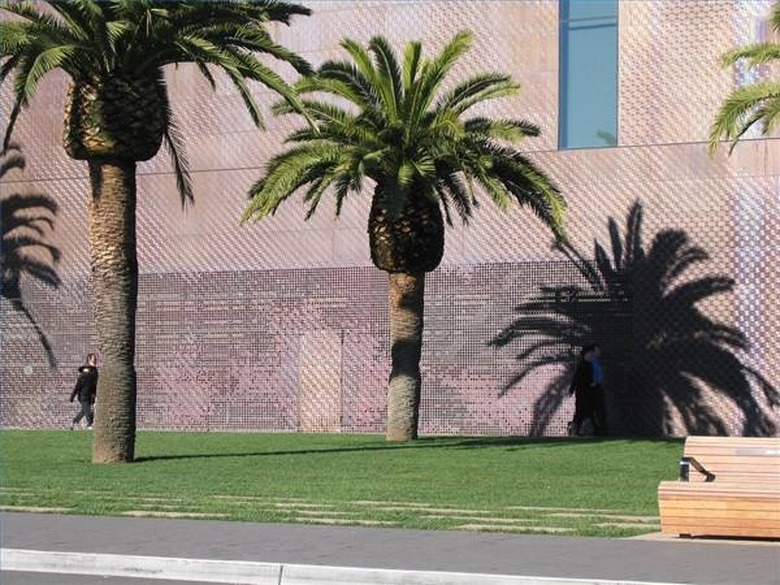
From Mexican Fan palm trees to Sabal palms, every palm tree looks different. As with any tree, palm trees need regular maintenance in order to keep them healthy and looking good. The removal of dead leaves or fronds from a palm tree is an important part of maintaining any palm tree. Skinning your palm tree will also help you get rid of unwanted dead leaves and will leave a smooth surface on the trunk of the palm tree which will enhance the look of your palm tree. Follow the steps below to skin a palm tree.
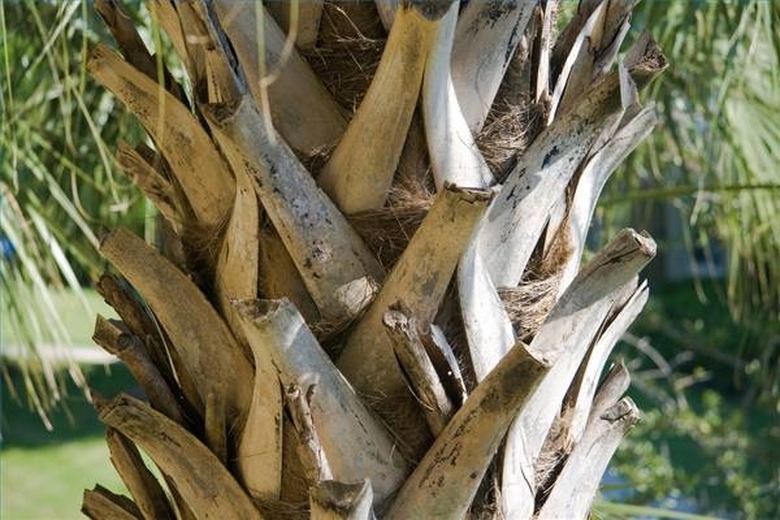
Step 1
Find out what type of palm tree you have by contacting your local nursery. Certain types of palm trees are self-cleaning in that the dead leaves fall off by themselves and skinning this type of palm tree may damage it.
- From Mexican Fan palm trees to Sabal palms, every palm tree looks different.
- Certain types of palm trees are self-cleaning in that the dead leaves fall off by themselves and skinning this type of palm tree may damage it.
Step 2
Examine the dead leaves carefully to determine how close to the trunk you will need to cut. Avoid cutting into the trunk as this will negatively affect the health and growth of the palm tree.
Step 3
Pull the dead leaf down with one hand and cut at the base with your other hand. You want to cut as close to the trunk as possible.
Step 4
Continue cutting off each dead leaf one at a time. You can work your way around the tree if this is easier for you, but it may take less time if you work on each side starting from the top of the trunk to the bottom.
Step 5
Place all of the dead leaves in the trash as you cut them off for easier clean up.
- Examine the dead leaves carefully to determine how close to the trunk you will need to cut.
- Pull the dead leaf down with one hand and cut at the base with your other hand.
Moving A Palm Tree
Adding a tropical appearance to your landscape, palm trees also shade your sensitive garden plants with their widespread fronds. Moving a mature palm with a maximum 10-foot height, like dwarf palm (Sabal minor) growing in U.S. Department of Agriculture plant hardiness zones 8 through 10, allows you to safely transplant the tree compared to younger palms; immature palms may not survive a transplant. Unlike trees with wide, sprawling roots, palm trees grow roots from a trunk section called the root-initiation zone. This rootball size provides enough anchorage for the tree at the new site, as well as adequate root quantities for moisture and nutrient absorption as the palm generates new roots. As you settle the palm into its new location, inspect the soil line against the trunk. Your palm tree needs to be transplanted to the same depth as its previous location to avoid growth stunting.
Things Needed
- Gloves
- Carpet knife or box cutter
- Ladder
- Trash can
Tip
You may want to consider hiring a professional to skin your palm tree. They use special tools and techniques to skin your palm tree without causing any damage.