

Plants & Shrubs That Like Coffee Grounds
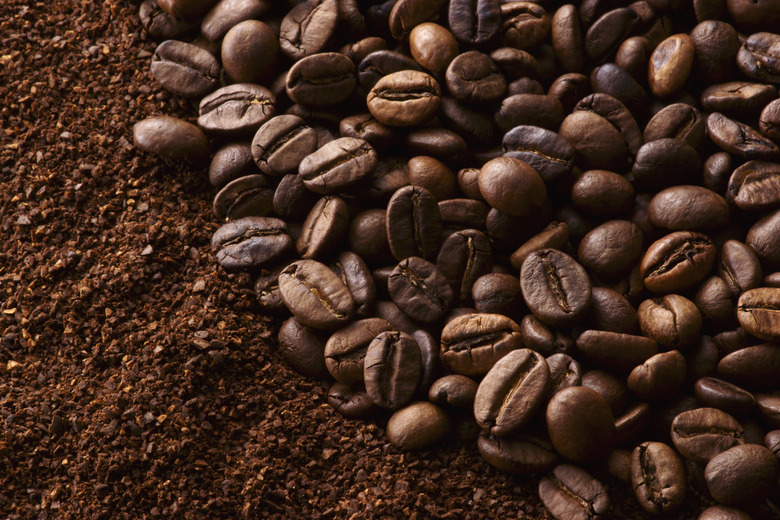
There are many tools available to help you raise beautiful flowers, tasty vegetables and healthy plants, including coffee grounds. High in nitrogen, old coffee grounds provide plants with nutrients and attract helpful creatures like earthworms, while also deterring destructive pests. Best of all, coffee grounds are all natural, and many coffee shops give them away for free.
kf4851/iStock/GettyImages
Tomato Plants
To get big, juicy tomatoes, you can use old coffee grounds as a fertilizer. Coffee grounds help soil create natural strains of bacteria that are beneficial to the plants. The grounds also supply tomatoes with a steady diet of nitrogen, which they require to thrive. Though commercial nitrogen fertilizers are available, coffee grounds are a natural option, always worth considering when growing vegetables for human consumption.
- There are many tools available to help you raise beautiful flowers, tasty vegetables and healthy plants, including coffee grounds.
- High in nitrogen, old coffee grounds provide plants with nutrients and attract helpful creatures like earthworms, while also deterring destructive pests.
Rose Bushes
Many gardeners take pride in their ability to grow roses that burst with color and fragrance and using coffee grounds as a fertilizer or mulch makes this easier and less expensive. Roses need nutrient-rich soil to grow and making or purchasing the needed compost can be expensive and time-consuming. Used coffee grounds are well-suited for rose bushes and also attract worms, which further aerate the soil, making it better for growing.
Spring Bulbs
Flowers like tulips and daffodils that bloom in the spring from bulbs can benefit from a dose of coffee grounds in more ways than one. Like tomatoes and other plants, such flowers will thrive from an extra dose of nitrogen and other nutrients that grounds release into the soil. The coffee grounds will help with drainage as well as water retention and aeration of the soil.
Perhaps more importantly, coffee grounds are also a way to protect spring flowers from predators like slugs without resorting to harsh chemicals. When crawling over coffee grounds, slugs absorb the caffeine contained therein, which poisons them and prevents them from destroying gardens.
- Many gardeners take pride in their ability to grow roses that burst with color and fragrance and using coffee grounds as a fertilizer or mulch makes this easier and less expensive.
Rhododendron
Rhododendrons, like tomatoes and marigolds, love acidic soil and can benefit from a sprinkling of coffee grounds, which raise acid content. Coffee grounds also help to protect rhododendron bushes from root weevils. A layer of grounds around the base of a rhododendron shrub will deter the pests, though regular application is necessary to keep the weevils at bay.
Blueberries
Another edible plant that thrives in acidic soil are blueberry shrubs. Coffee grounds provide an excellent source for added nitrogen that fertilize the top layer of soil. They will also protect your blueberry bushes from harmful slugs.