

How To Care For A Goldfish Plant
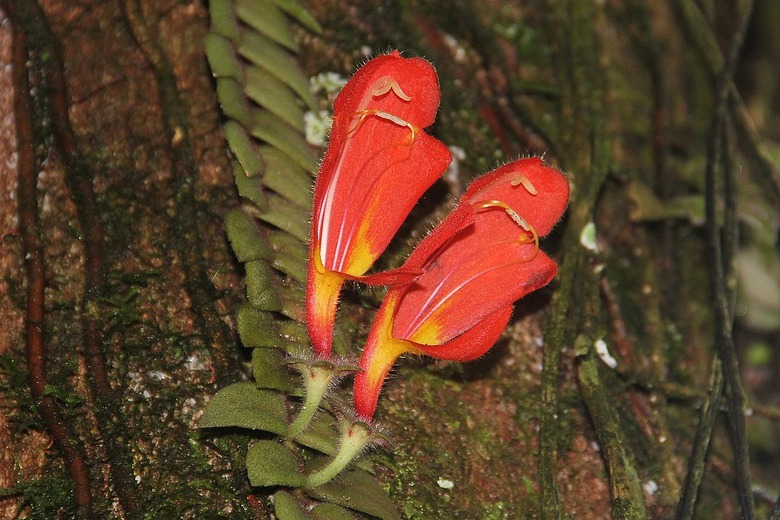
Just as there are numerous types of goldfish swimming around in aquariums, there are numerous species of the goldfish plant: Nematanthus fornix (formerly N. nervosus), Nematanthus gregarius, Columnea gloriosa and Columnea hirta just to name a few.
This plant of many names grows best in USDA plant hardiness zones 10 and 11, and while they carry different scientific names, goldfish plant care is the same across the different genera and species.
Goldfish Plant Characteristics
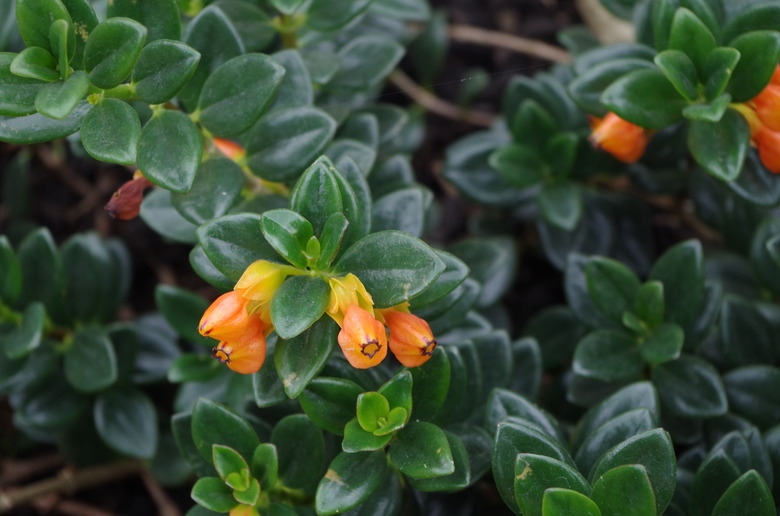
Swimming around among the shiny leaves of the goldfish plant are bright orange flowers that resemble goldfish, with its goiter-like neck and "fish lips" open for collecting food.
A tropical plant native to Brazil and the tropics, the goldfish thrives when temperatures range from 65 to 80°F, and the humidity is high. With the proper environment, a goldfish plant can enjoy up to 10 years of blooming life.
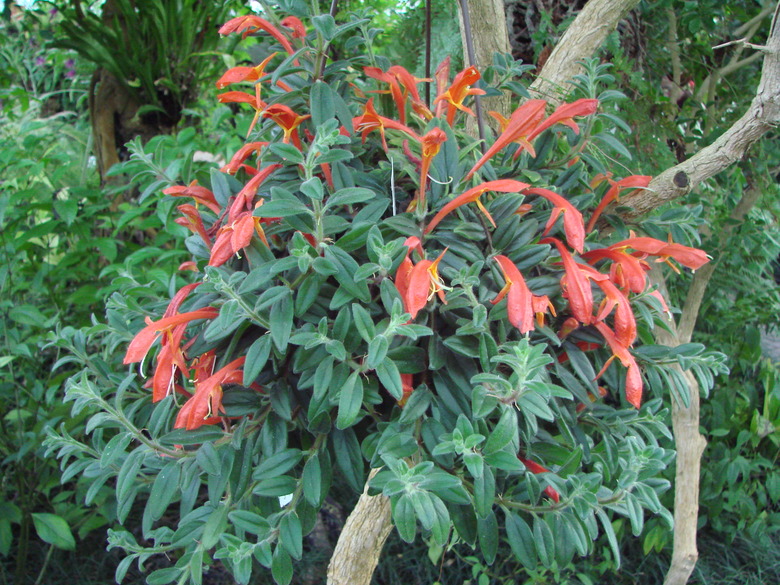
The dark green leaves of the goldfish plant are succulent and firm and provide a dramatic backdrop for the bright orange, red or yellow "flowers" that grace the plant during the spring and summer. Appearing like goldfish leaping from their bowl, the cascading flowers are profuse and perfect for a hanging basket or a dramatic houseplant.
 Dinkum
Raising a Goldfish Plant
The goldfish plant thrives under several temperature conditions. When grown as an indoor plant, the houseplant requires indirect sunlight and humidity and is threatened by high temperatures generated by direct sunlight. As an outdoor plant, indirect light is advisable, and excessive rainfall causes root rot.
Both environments require a rich, African violet-type potting soil that is high in nutrients, including phosphorus and potassium, and the containers must have adequate drainage holes.
Perlite, peat moss and vermiculite potting mix creates a well-draining soil and keeps the roots healthy. Misting is a requirement to create a humid environment.
A stroll in a rainforest may surprise you when you see a goldfish plant that has attached itself to another plant or a tree. These are called epiphytes and, like the orchid, they are commonly known as air plants. They get their sustenance from the moisture and the nutrients present in rainfall and in the air.
Care for a Goldfish Plant
Once the goldfish plant has acclimated to its growing environment, additional year-round care is needed for raising a healthy plant. Liquid fertilizer diluted to half strength is needed every two weeks during the spring and summer growing season.
If the flowers become out of control, pruning in the early spring encourages the redirection of energy within the plant, and showier blooms will result from your indoor garden. Once the stems reach nearly 3 feet in length, trim them down to 1 foot.
Adding a humidifier to the room or bringing the plant into the bathroom when showering is the extra care that the goldfish plant needs.
Why Is My Goldfish Plant Dropping Leaves?
The goldfish plant will tell you if it's not well. Dropping leaves is the first indicator of air temperature problems, overwatering, excessive humidity or the plant entering dormancy. If this is the case, ease up on watering and wait for new growth to appear.
Repotting your goldfish may be necessary. The roots may be soggy, and fungi will be waiting in the wings.
Choose a pot that is just a bit larger than what it's living in and add extra-rich soil. Goldfish like to be root bound. Splash some room-temperature water on the plant, but let the plant adjust to its new environment before adding a regular watering schedule.
 Guérin Nicolas
Propagating a Goldfish Plant
Stem tip cuttings are the easiest method of propagation for the goldfish plant. Snip a cutting about 2 inches long and include some of the green leaves. Don't include any flowers, as energy will be redirected toward them.
Have some rooting hormone nearby and dip the bottom of the stem into the powder. Then, place it into a pot filled with potting mix. Be sure there are draining holes at the bottom of the pot.
Create a dome using a plastic bag and place it over the potted stem to create a humid environment. With bright light and moist soil, flower buds will appear the following year.
Diseases and Pests Affecting Goldfish Plants
Like all plants, goldfish plants are susceptible to pests, with aphids, mealybugs and spider mites being the most prominent. You'll recognize the infestation when you see ants marching toward the honeydew that the pests leave behind. Neem oil sprayed on the leaves, both on top and on the underside, should temper the infestation.
Fuzzy gray spores found on the goldfish leaves indicate that Botritys, a moisture-loving disease, has moved in. Be sure your plant is well ventilated and that you prune enough to let air pass through the leafy growth.