

The Advantages Of Fungicides
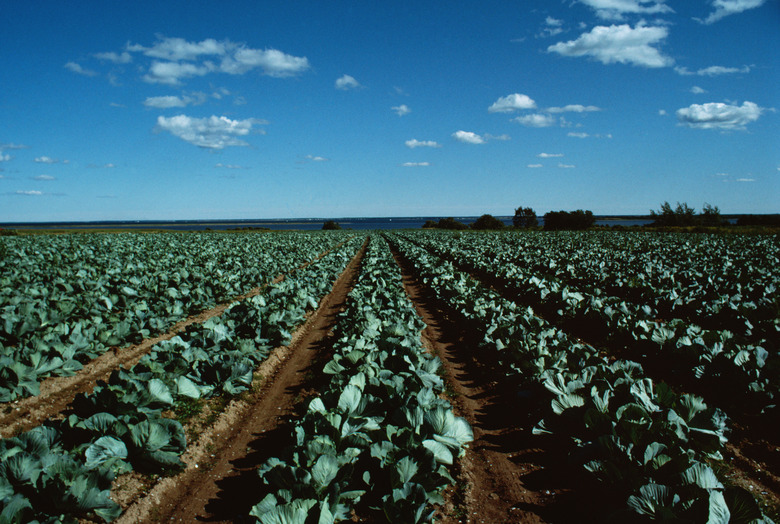
A fungicide, considered a pesticide, helps to inhibit or prevent the growth of fungi on plants, roots or seeds. Applied as a spray, powder or systemic formula, they provide protection to mature plants, crops and help keep seeds healthy. They have historically been risky due to their high toxicity, which can inadvertently result in poisonings and even deaths. Modern fungicides have lower toxicity and, when used correctly, the advantages far outweigh the risks.
A fungicide, considered a pesticide, helps to inhibit or prevent the growth of fungi on plants, roots or seeds. Applied as a spray, powder or systemic formula, they provide protection to mature plants, crops and help keep seeds healthy. They have historically been risky due to their high toxicity, which can inadvertently result in poisonings and even deaths. Modern fungicides have lower toxicity and, when used correctly, the advantages far outweigh the risks.
Crop Yield
Without fungicides, the yield of fruit and vegetables would drop by 50 to 95 percent, the Western Farm Press states. The Crop Protection Research Institute found that carrot production would decline by 24 percent without the use of fungicides. The study by the institute further found that the use of fungicides on a carrot crop increased the yield by 22 tons per acre. When properly applied, they can prevent the growth of fungus on the seeds of the crop and on the developing plants.
- A fungicide, considered a pesticide, helps to inhibit or prevent the growth of fungi on plants, roots or seeds.
- When properly applied, they can prevent the growth of fungus on the seeds of the crop and on the developing plants.
Grapes
Grapes are highly susceptible to fungal infections. Vines not treated for fungus will have grapes that fail to thrive. Fruit suffering from infections can affect the taste of wine. Fungicides provide exceptional protection for grape vines, which often suffer from powdery mildew, botrytis and downy mildew. Using them effectively helps prevent and control the diseases. Europe sprays fungicides on grape crops — five to seven applications in the northern areas and 10 to 12 in the southern regions — which protect the grapes from infection.
Systemic and Spray Fungicides
Strawberry plants often suffer from root-infecting fungi. Systemic fungicides help prevent infections in strawberries which helps to increase the plant's yield potential. Fungicide sprays control gray mold when applied every five to seven days during strawberry flower and berry production. Broad spectrum systemic fungicides also help lawn grasses look their best by penetrating the root system and traveling into each blade to control infections. Systemic and spray fungicides effectively damage the fungi by obstructing its respiration, destroying its ability to activate enzymes or proteins and disrupting the fungi's cell membranes.
- Grapes are highly susceptible to fungal infections.
- Broad spectrum systemic fungicides also help lawn grasses look their best by penetrating the root system and traveling into each blade to control infections.
Seed Treatment
Soil-borne fungi often affect seeds and seedlings. Treating seeds with fungicides prior to planting will help prevent rot from occurring, especially during the early spring months. Seeds that have a low germination rate or poor seedling growth benefit from these treatments. Soybeans, which are prone to damping-off diseases, benefit from seed pretreatment with a fungicide. Cereal crops, corn, wheat, oats, alfalfa, peas, sugar beets, canola, sunflowers, chickpeas and beans also benefit from fungicide treatments prior to planting.