

Long Leaf Plants
Step 1
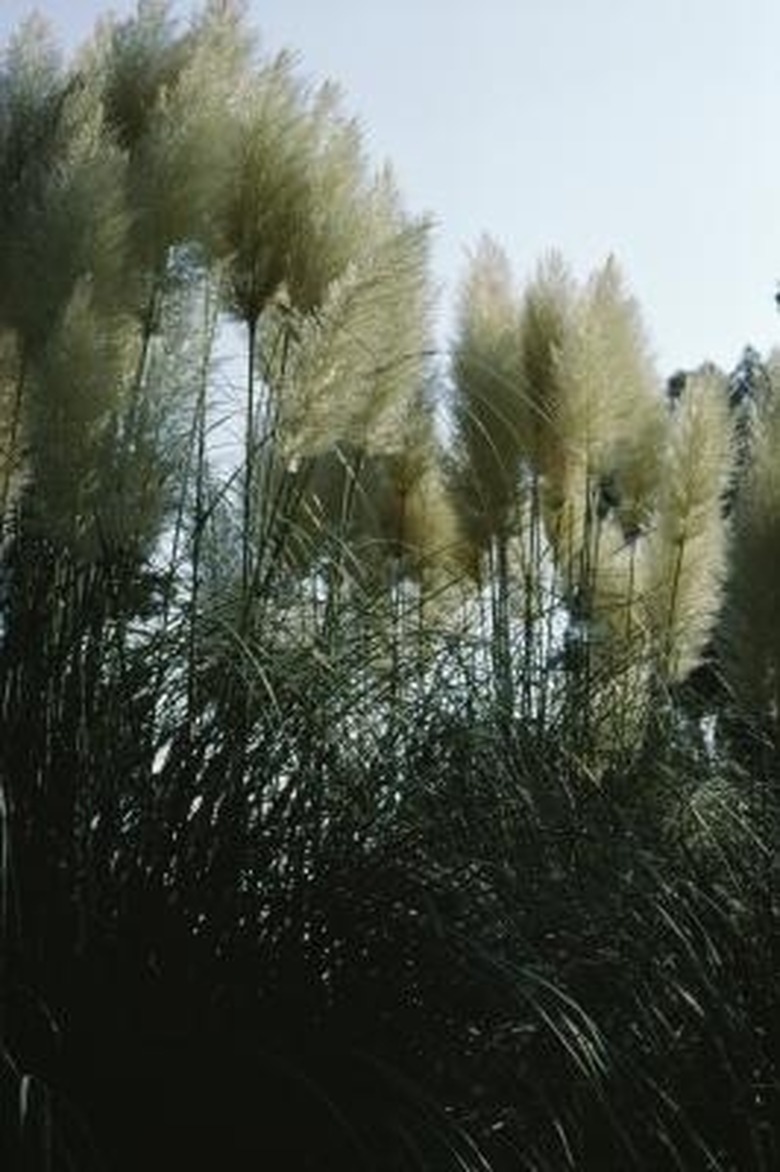
Ornamental grasses have long arching leaves that add a graceful touch to the garden. Many ornamental grasses also bear flowers. Ornamental grasses are available for any type of garden or growing condition, from bog, or wet gardens near water features, to xeriscaped, or low-water gardens. The greenish-blue leaves of big blue stem (Andropogon gerardii) grow to 6 feet tall. This warm-season grass is shade-tolerant. The leaves turn orange in the fall before dying back. Giant silver grass (Miscanthus 'Giganteus' floridulus) reaches a height of 8 feet and bears silver flowers in partial to full sun.
Step 2
Step 3
- Ornamental grasses have long arching leaves that add a graceful touch to the garden.
- Giant silver grass (Miscanthus 'Giganteus' floridulus) reaches a height of 8 feet and bears silver flowers in partial to full sun.
Perennials
Step 1
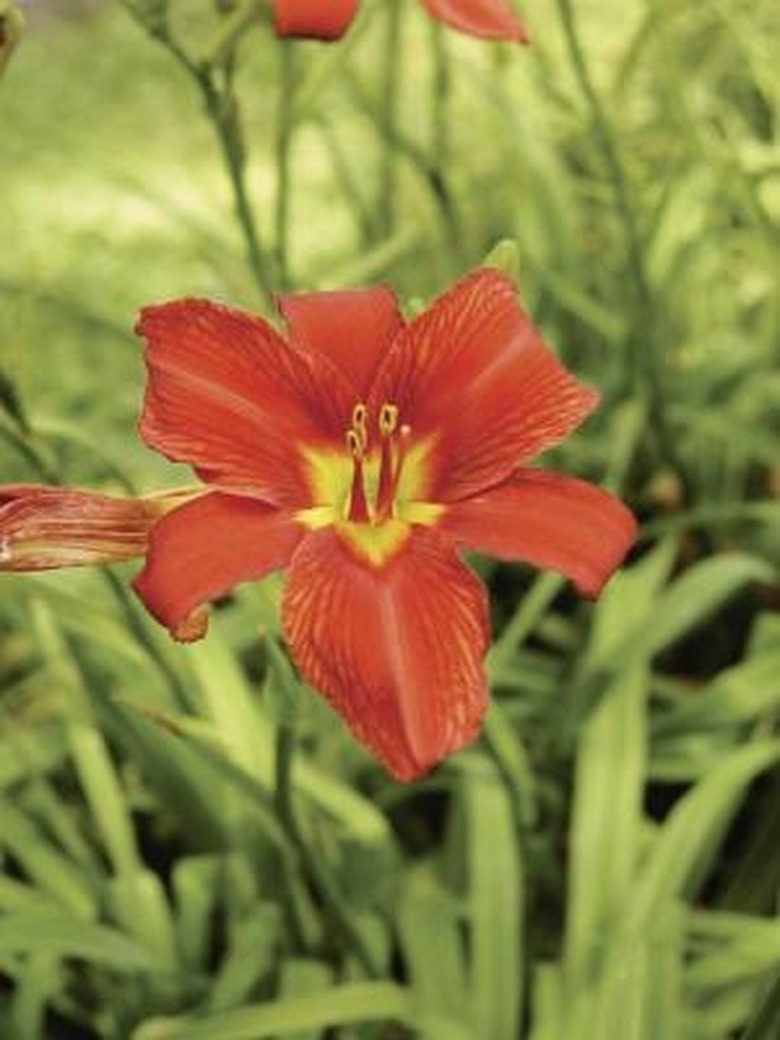
Perennials return year after year, providing consistency in the garden. African iris (Dietes iridioides) has long, thin, deep green leaves. These leaves are evergreen, or don't die back in the winter. The leaves grow in an erect clump and reach about 24 inches tall. White flowers bloom on stalks that extend above the leaves. African iris grows in USDA Hardiness Zones 8 through Zone 10 in full sun. Daylily (Hemerocallis) is a hardy herbaceous perennial that grows in almost any condition. Long, arching green leaves provide a perfect backdrop for colorful flowers. Depending on the cultivar, these leaves reach between 6 and 36 inches long.
Step 2
Step 3
- Perennials return year after year, providing consistency in the garden.
- These leaves are evergreen, or don't die back in the winter.
Bulbs
Step 1
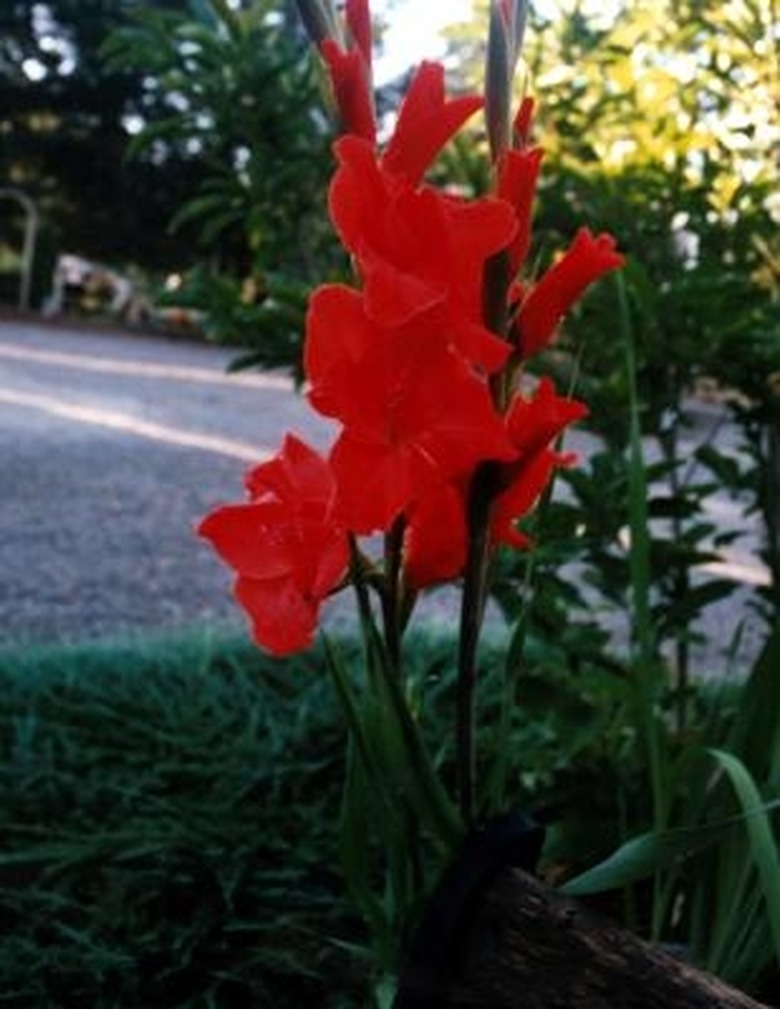
Boasting a wide range of foliage types and growing in a wide range of conditions, bulbs are a welcome addition to any garden. Daffodils (Narcissus) are known for their sunny yellow flowers, but the long green leaves are also attractive. These bulbs need well-drained soil in partial to full sun. Gladiolas (Gladiolus aureus) grow in full sun. Each bulb produces tall, sword-like green leaves and spires of colorful flowers. Do not cut back the foliage after the flowers have faded. The foliage continues to gather energy to store in the bulb for next year's flowers.
Step 2
- Boasting a wide range of foliage types and growing in a wide range of conditions, bulbs are a welcome addition to any garden.
- Daffodils (Narcissus) are known for their sunny yellow flowers, but the long green leaves are also attractive.
Houseplants
Step 1
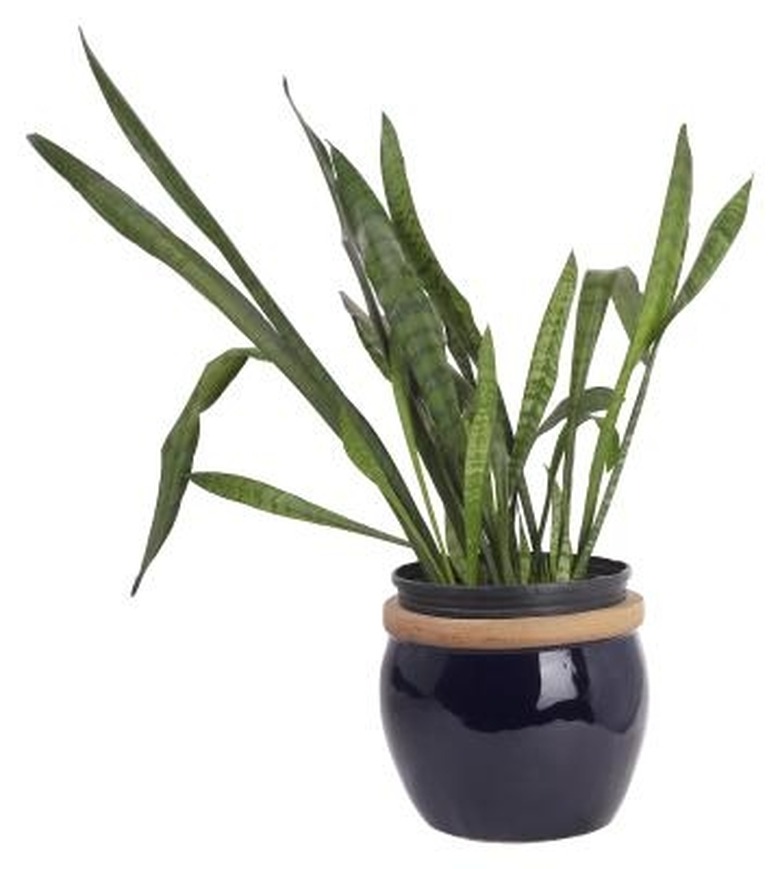
Plants with long leaves aren't limited to the garden. Many houseplants also boast sword or grass-like leaves. The spider plant (Chlorophytum comosum) has long, arching green leaves. These leaves may be variegated cream or white, depending on the cultivar. Spider plant grows in bright light but tolerates shade and prefers moist soil during the growing season. Snake plant (Sansevieria trifasciata) has thick, long, variegated green leaves. These leaves grow to 2 feet tall in indirect, bright light. Also known as mother-in-law tongue, the snake plant is an easy-care houseplant.
Step 2
- Plants with long leaves aren't limited to the garden.
- The spider plant (Chlorophytum comosum) has long, arching green leaves.
Succulents
Step 1
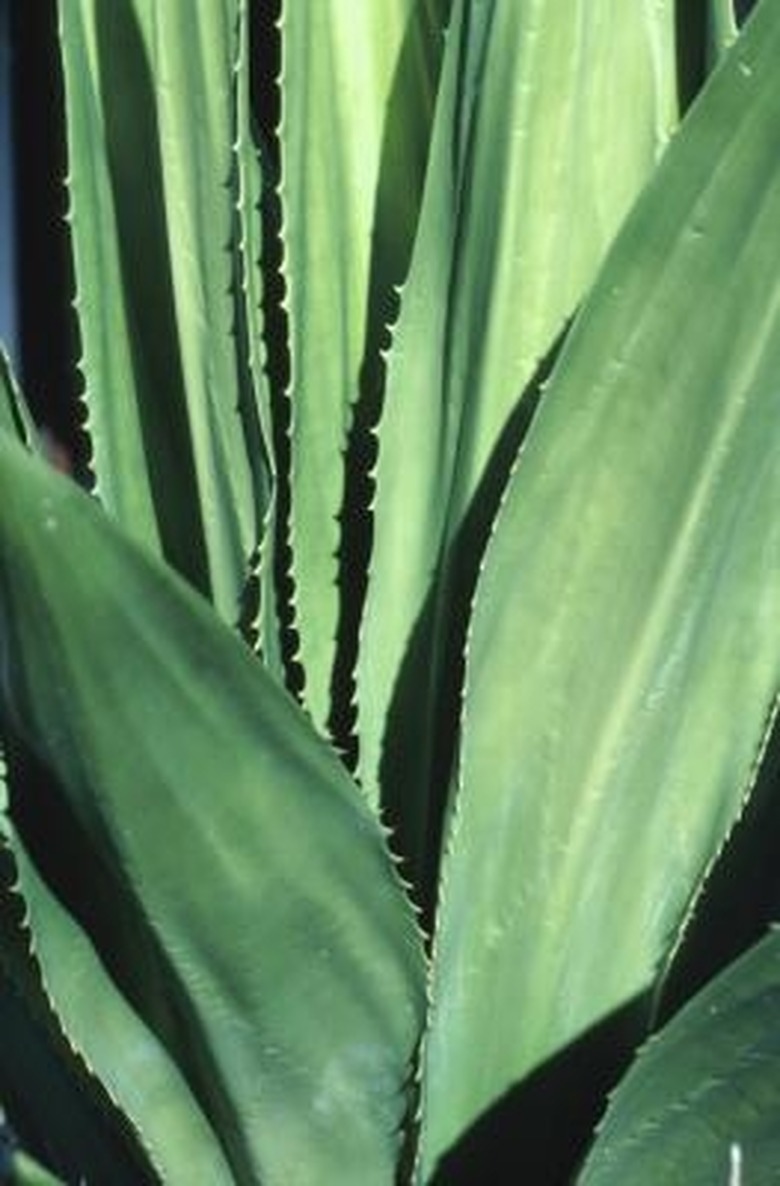
Succulents are plants that store moisture in their leaves. Aloe (Aloe) is a succulent with long, fleshy leaves. A well-known aloe, aloe vera, is commonly used as a treatment for cuts or burns, as the sap inside its leaves has a soothing quality. There are more than 450 types of aloe grown. Golden sword yucca boasts green and yellow striped leaves that reach 4 feet tall. This evergreen succulent is deer-resistant and an excellent addition in low-water landscapes.