

Introduction To Vermiculture And Vermicomposting
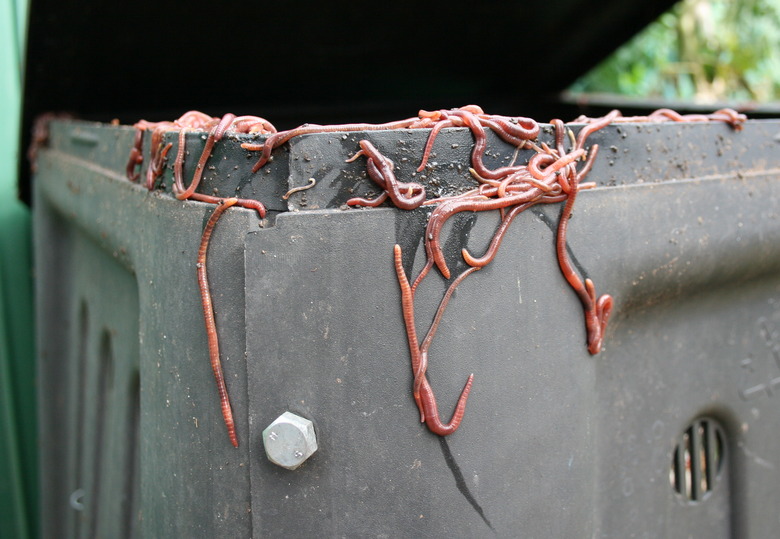
Vermiculture refers to growing worms in a controlled environment. Worms may be grown for use in vermicomposting, which relies on worms to break down food waste. This is an alternative to composting with fungi or bacteria.
What Is Vermiculture?
Vermiculture refers to growing worms for specific purposes. Sometimes, worms are grown to be used as fish bait.
Worms are also grown, however, for vermicomposting. When worms feed, they excrete castings that are rich in nutrients, including nitrogen, as well as beneficial bacteria. These castings, or compost, can be used in the garden to feed plants.
Worms Used for Vermicomposting
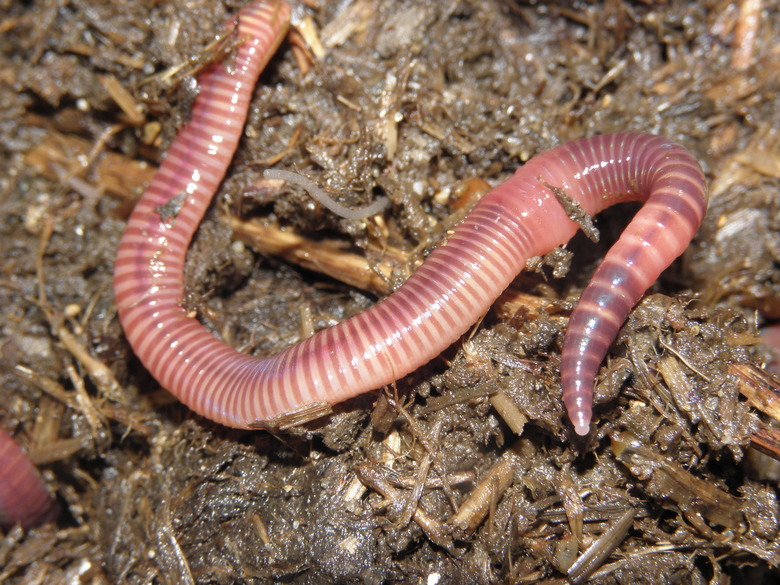
Not all worms can be used for vermicomposting. The species of worm most commonly used for composting is the red wiggler worm, Eisenia fetida. As its common name suggests, these worms are red in color. They also tend to wiggle when disturbed or exposed to light.
Red wigglers are usually under 3 inches in length. They can be purchased from worm farms to start your own vermiculture bin at home. These worms, also known as tiger worms because of the markings they display when they stretch, thrive at temperatures between 55 and 77°F. The worms may die if exposed to temperatures above 85°F.
 Rob Hille
Creating a Worm Bin
Let's take a look at everything that you'll need to create a vermiculture container.
Container
It is possible to make a vermiculture container out of many different types of containers, including plastic bins and wooden crates. It is important that the container have holes for ventilation, although if the holes are too large, the worms might crawl out. Covering the holes with mesh can eliminate this problem.
The container should also have holes on the bottom for draining and a tight lid to keep pests out.
Bedding
Before adding worms to your vermiculture bin, you'll want to add bedding, which creates a home for the worms. Shredded newspaper and dried leaves work as bedding. Worms also need moisture, so you'll want to add some moist food scraps to the bedding about a week before introducing worms.
Tray
In addition to the main container, you will also want to place a large tray beneath your composting bin to catch the moisture that seeps out of the bin, known as leachate. This liquid can be used to fertilize plants in the garden.
Can Worms Eat Mango or Other Fruits?
Once your worm bin is set up, it is time to start feeding the worms. Red wiggler worms will eat a variety of plant-based kitchen scraps, including fruit scraps and vegetable scraps. Avoid meats and dairy products. You can feed egg shells to the worms if you grind them up first.
Tip
If you are using compost to fertilize fruit or vegetable plants that come in contact with the soil, you'll want to apply the compost at least 120 days before harvest. For fruits and vegetables that do not touch the soil, apply the compost 90 days before harvest.
Harvesting Worm Compost
It can take two to five months for a worm bin to produce a usable amount of compost. That means that compost from a worm bin can be harvested two or three times a year. The compost can be used in the garden immediately or stored for later use.
Worm casting compost can be used on both ornamental and edible plants. If you are using compost to fertilize fruit or vegetable plants that come in contact with the soil, you'll want to apply the compost at least 120 days before harvest. For fruits and vegetables that do not touch the soil, apply the compost 90 days before harvest.