

How To Identify Common Grass Types In The Northeast
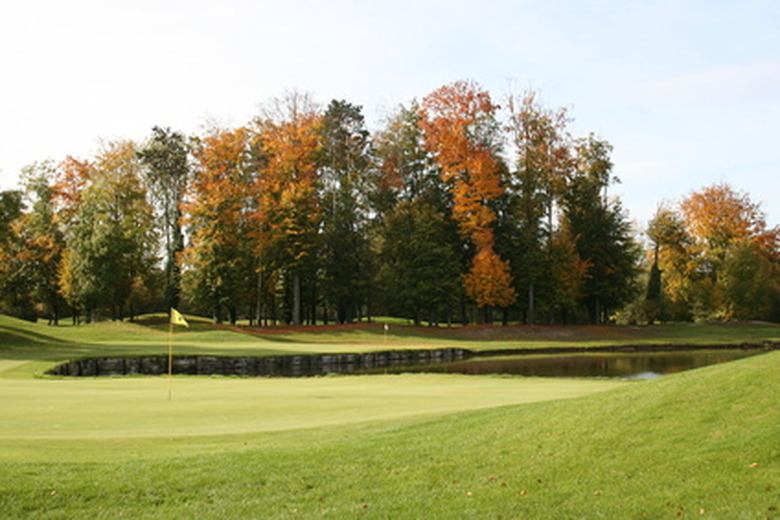
Two basic types of grasses exist in the United States; warm-season grasses and cool-season grasses. In the Northeast, cool-season grasses are grown due to their need for cold winters and warm or hot summers. The most commonly grown cool-season grasses in the Northeast include Kentucky and rough bluegrasses, bentgrass, red fescue, and annual and perennial ryegrasses. Identifying common grass types in the Northeast is simple and can usually be accomplished by observing whether the grass is growing in lawns, golf course greens or sports fields.
Step 1
Identify bentgrass, also called creeping bentgrass, by its bluish-green, slender, long leaves that are smooth on the upper surface and ridged underneath. Most commonly grown on golf courses and not in residential lawns due to its high-maintenance needs, creeping bentgrass spreads by surface stolons and has very shallow roots.
Step 2
Look for grass with boat-shaped leaf tips, as well as shallow rhizomes and roots, that forms a dense lawn to spot Kentucky bluegrass. This grass has straight, upright growth in the sunny growing season and grows slightly flattened during the shorter daylight months of the fall and winter.
- Two basic types of grasses exist in the United States; warm-season grasses and cool-season grasses.
- Identifying common grass types in the Northeast is simple and can usually be accomplished by observing whether the grass is growing in lawns, golf course greens or sports fields.
Step 3
Identify annual ryegrass, also known as Italian ryegrass, by its fine texture and bright green color. Annual ryegrass doesn't survive cold winters and is usually used as temporary grass cover for lawns or sports fields when establishing the slower-growing bluegrasses.
Step 4
Look for a deep green, fine bladed grass to identify red fescue. Red fescue has leaves that are folded in the buds, and can either grow by creeping and spreading or by growing bunched and upright. Red fescue grows best in shaded areas and requires little maintenance.
Tip
Perennial ryegrass is also used as a temporary lawn cover while growing bluegrasses, and although perennial ryegrass will survive cold winters, it won't endure summer heat. Due to its rapid growth rate and high water needs, perennial ryegrass is one of the most high maintenance lawn grasses.
Warning
Don't confuse Kentucky bluegrass with rough bluegrass. Although both bluegrass types spread by stolons and have boat shaped leaf tips, rough bluegrass has yellowish green, soft leaf blades that tend to lie flat in the same direction.