

Whitefly Ficus Treatment

Step 1
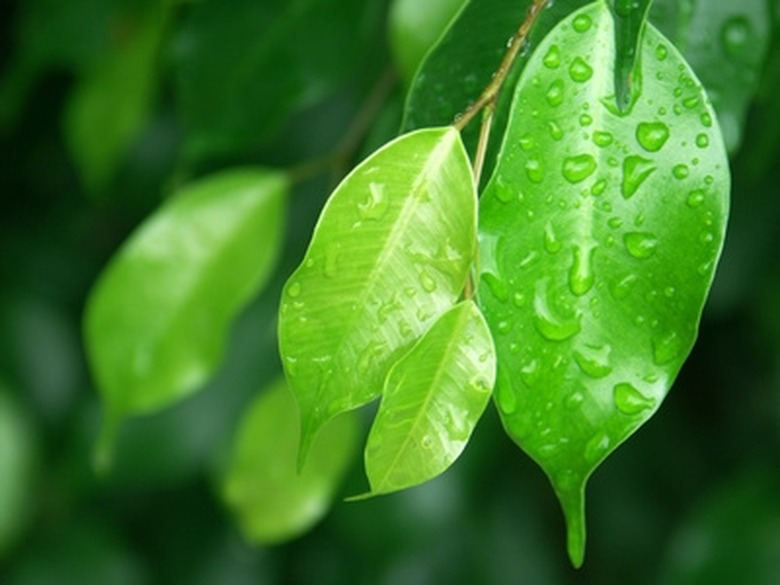
The most affected ficus is the popular ornamental Ficus Benjamina or weeping fig. In southern Florida, this variety is heavily used for landscaping and hedging. Other varieties commonly affected: Ficus altissima (banyan tree), Ficus aurea (strangler fig), Ficus microcarpa (Cuban laurel), Ficus lyrata (fiddle-leaf fig) and Ficus maclellandii (banana-leaf fig).
Step 2
First Signs
Step 1
Gardeners look for infestation before it becomes critical. Initial signs are streaks of whitish or yellowed discoloration underneath ficus leaves, before the leaves turn yellow. There may also be small pieces of white debris moving or static among the leaves, which are the flies themselves, approximately ¼ inch in size. Silvery-white spots underneath leaves are old skins of immature flies.
Step 2
- The most affected ficus is the popular ornamental Ficus Benjamina or weeping fig.
- Initial signs are streaks of whitish or yellowed discoloration underneath ficus leaves, before the leaves turn yellow.
Treatment
Step 1
Treat plants at the early stage and when they aren't drought stressed. It's too late when leaves are yellow or dropping. Either use a systemic-drench approach in the soil, or wait for fresh growth. Treat small plants with insecticidal soap spray or smother leaves in horticultural oil every seven to 10 days. The spray and oil are found in garden centers and prevent flies from breathing, causing death. When using a spray or oil, ensure all underside leaf surfaces are covered.
Use a small vacuum to remove flies, freezing removed contents before disposal. Yellow sticky traps are effective; hang close to the top of plants facing away from the sun, also near greenhouse entry points. Never stand infected plants near healthy plants.
Sprays containing neem or pyrethrum give efficacy, but see "Insecticide Cautions." Applications must be repeated as on the pack. Spray late in the day, avoiding leaf burns. Do not remove debris from premises as it encourages spreads to other areas. Removed leaves make excellent mulch.
Treat large areas including hedges with products such as imidacloprid or commercially available soil-applied treatments like dinotefuran or thiamethoxam.
These products last several months, but must not be used near water. Follow instructions.
Step 2
- Treat plants at the early stage and when they aren't drought stressed.
- Use a small vacuum to remove flies, freezing removed contents before disposal.
Insecticide Cautions
Step 1
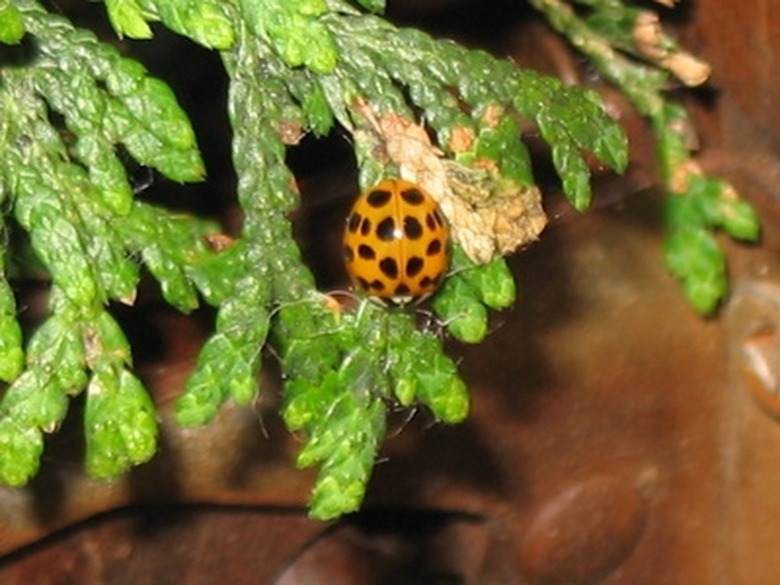
In using insecticides, especially pyrethrins and imidacloprid, natural predators are adversely affected. Only use powerful insecticides where there really is no natural alternative.
Natural Predators
Step 1
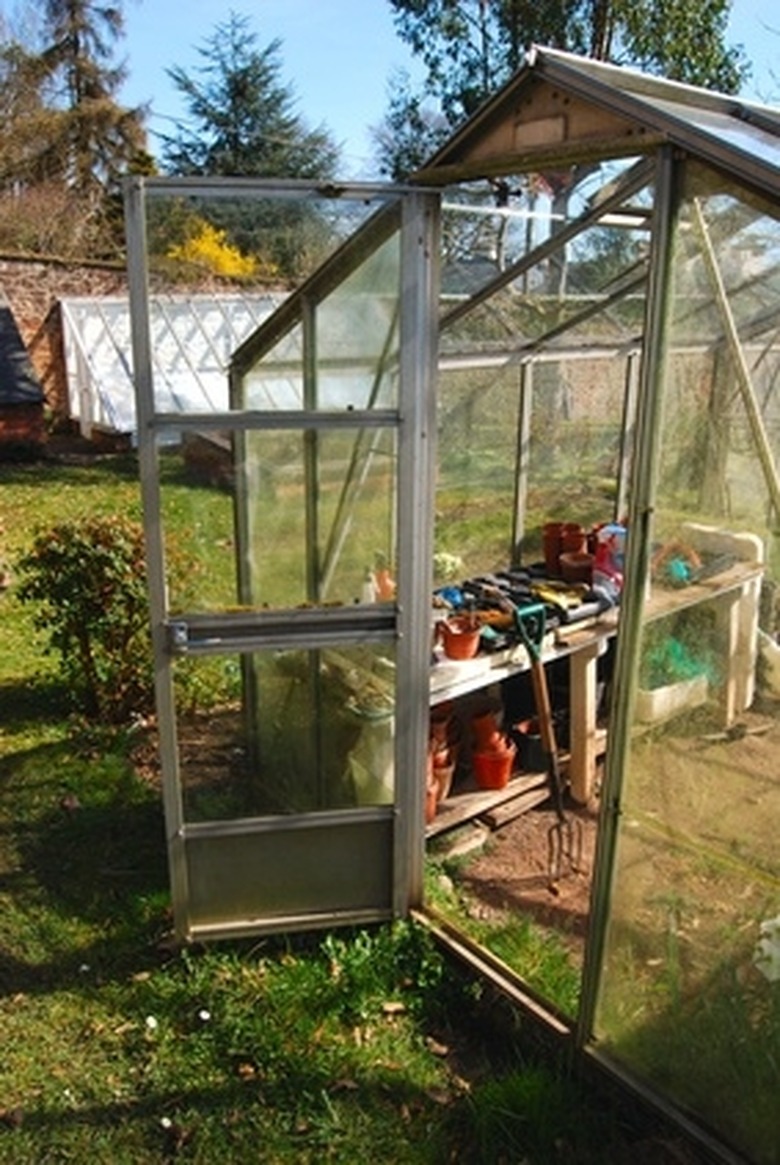
One form of management is the introduction of natural predators to the ficus plant. Exochomus childreni (the ladybird beetle) is a suitable natural predator. Encarsia formosa, a small wasp, parasitizes up to 100 immature greenhouse whiteflies each. Encarsia populations prefer temperatures above 70 degrees F for development. The best time to use Encarsia is between mid-March and mid-September. Delphastus pusillus, a small black ladybird beetle, controls both greenhouse and silverleaf whitefly. The larvae will consume up to 1,000 whitefly eggs in its lifetime, but will also feed on nymphs. Like Encarsia, the beetles perform best at temperatures between above 65 F. Local university extension services may advise on natural predators and provide specimens.
Step 2
- In using insecticides, especially pyrethrins and imidacloprid, natural predators are adversely affected.
- Like Encarsia, the beetles perform best at temperatures between above 65 F. Local university extension services may advise on natural predators and provide specimens.