

Problems With Crown Vetch As A Ground Cover
Crown vetch (also, "crownvetch") is an often-used ground cover, especially in challenging landscaping spots like hills. Plants reach about 2 inches high, with leaves that grow to about 4 inches long. Flowers range in color from pink to lilac and look similar to those of pea flowers, to which crown vetch is related. Though crown vetch can serve usefully gardeners usefully to, for instance, help control erosion, the vine has several drawbacks that gardeners should take seriously.
Invasive
Crown vetch is very successful at surviving and reproducing itself, not only using seeds, but also rhizomes–underground stems–to spread. Though these qualities are useful in places where other plants might fail, they also make crown vetch a threat to other plant life like crops and pasture land. According to the USDA Forest Service, one crown vetch plant alone can cover 100 square feet in four years. Each rhizome can grow up to 10 feet.
- Crown vetch (also, "crownvetch") is an often-used ground cover, especially in challenging landscaping spots like hills.
- Though these qualities are useful in places where other plants might fail, they also make crown vetch a threat to other plant life like crops and pasture land.
Crown vetch is a native of Europe, Asia and Africa. In the United States, it has become naturalized and crowds out native growth not only on the ground, but growing up trees and shrubs. Indeed, crown vetch can create areas only populated by itself.
Attracts Wildlife
While many gardeners welcome plants that attract wildlife, this isn't always a good thing. Deer, doves and quail come to crown vetch, and, since deers will feast on other plants besides crown vetch, it wouldn't be a good idea to have the plant growing in areas where the deers can gain access to gardens nearby.
Toxic to Horses
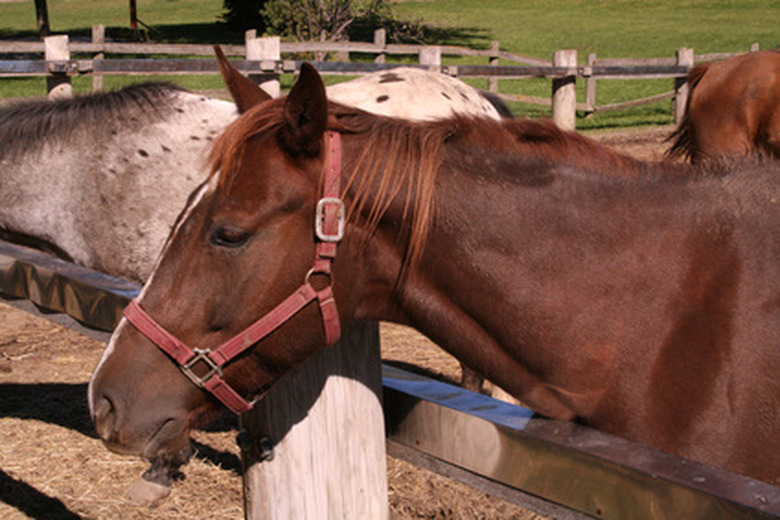
Horses that graze liberally on crown vetch hurt themselves. The consequences include paralysis or even death. The toxicity is due to nitroglycosides within the plant.
- Crown vetch is a native of Europe, Asia and Africa.
- Deer, doves and quail come to crown vetch, and, since deers will feast on other plants besides crown vetch, it wouldn't be a good idea to have the plant growing in areas where the deers can gain access to gardens nearby.
Persistent
After pulling out the crown vetch and perhaps, even, resorting to herbicide, it may seem you've gotten control of a case of crown vetch gone wild. Think again. If the vetch had the opportunity to go to seed–in other words, the flowers are allowed to complete their mission of producing seed–it can come back. The seed can remain viable for years.