

Care Instructions For A Lisianthus Plant
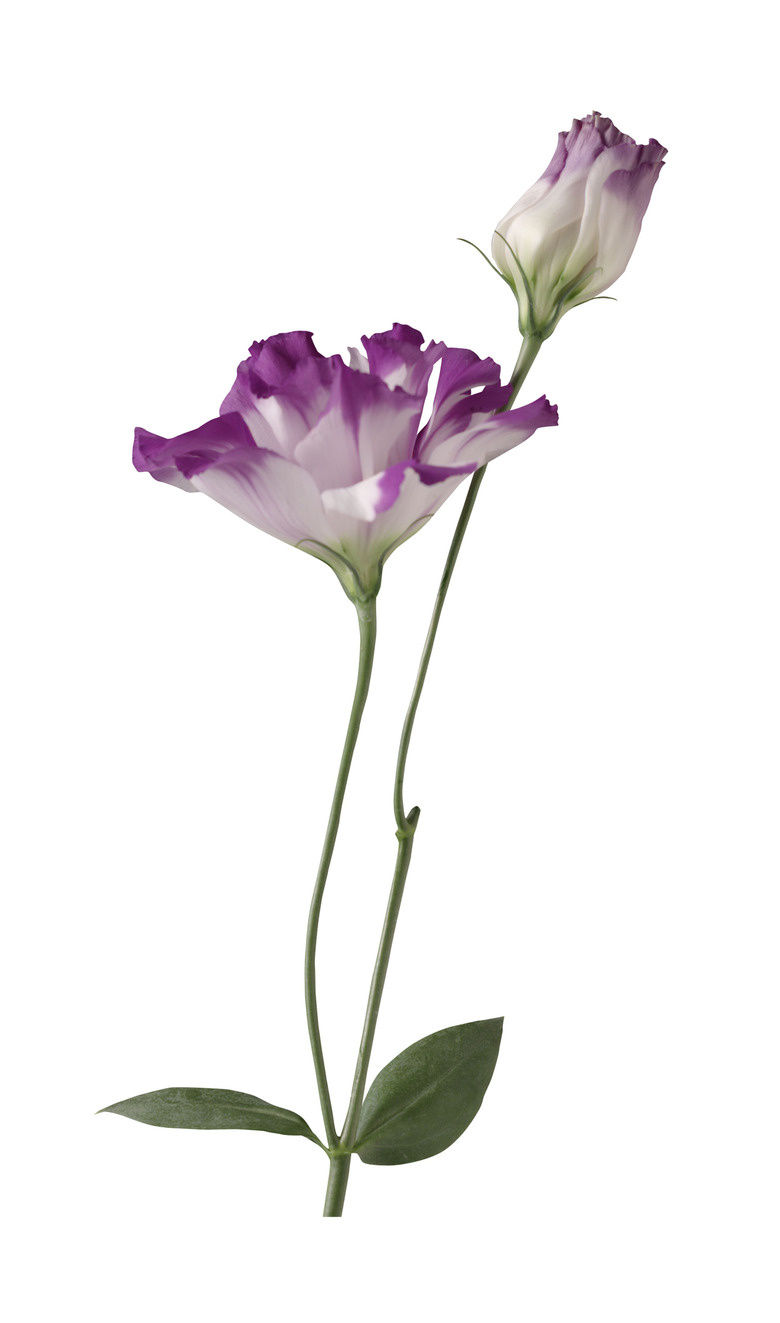
Lisianthus is a wildflower that has large, long-lasting single or double flowers that resemble roses. Native to western prairie states and botanically known as Eustoma grandiflorum, it is a short-lived perennial often grown as an annual.
Step 1
Plant lisianthus in full sun or light shade. The flowers can be grown in the ground or in containers.
Soil Requirements
Step 1
Lisianthus requires excellent drainage and soil pH between 6.5 and 7.0. According to the University of Arkansas, overly acidic conditions cause slow growth in lisianthus. Use a light potting soil with added pumice or perlite for container-grown plants.
Watering
Step 1
Water lisianthus when the top 2 inches of soil have dried during the active growth period in spring and summer. Don't water once the weather cools and the plant stops flowering, as lisianthus requires dry winters.
Step 2
- Plant lisianthus in full sun or light shade.
Pruning
Step 1
Michigan State University Extension suggests pinching lisianthus flowers back when they fade to encourage branching and re-blooming.
Staking
Step 1
Prevent taller varieties of lisianthus from falling over when they bloom by staking plants before flowering occurs.
References
- University of Arkansas Cooperative Extension Service: Lisianthus
- University of Florida IFAS Extension: Lisianthus Anyone?
- Michigan State University Extension: Eustoma Grandiflorum-Lisianthus
- "Sunset Western Garden Book"; Kathleen Norris Brenzel; 2001