

Allergy To Hyacinths
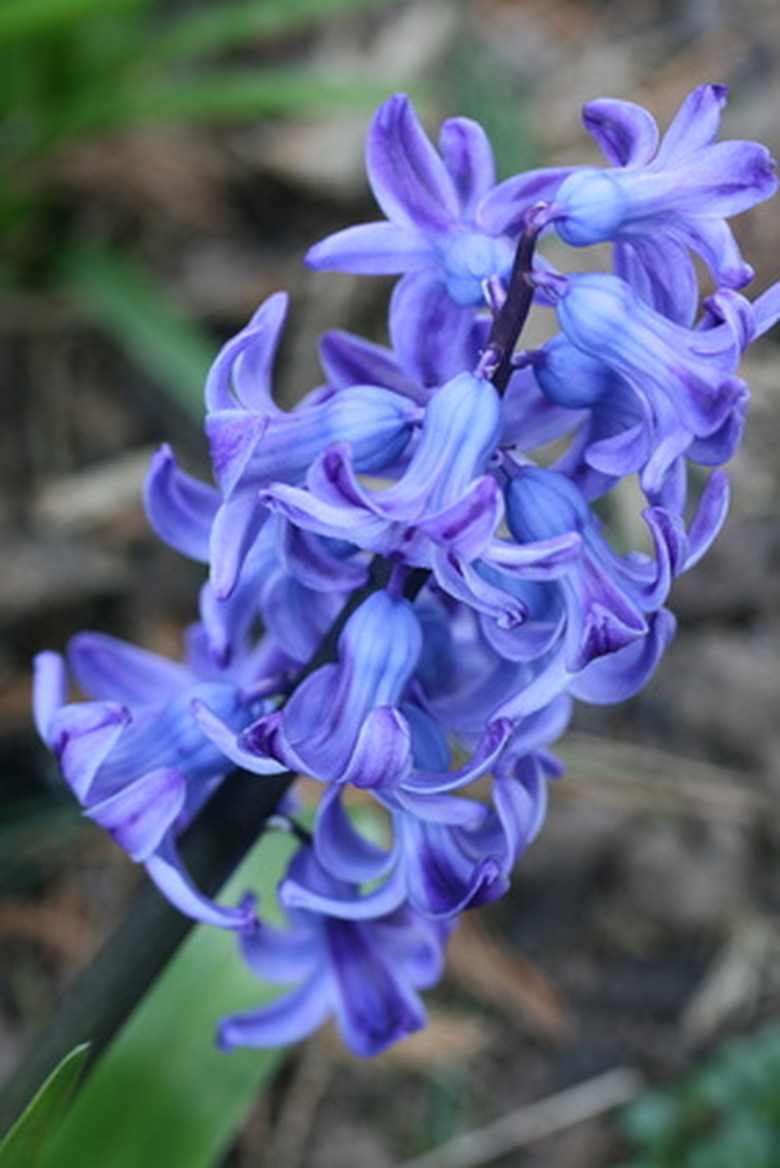
The hyacinth is a bulb flower that blossoms in the spring. The bulb, sap and leaves of the hyacinth contain allergenic components. When these components are touched or ingested, they can cause an allergic reaction.
Hyacinth Itch
The hyacinth bulb, sap and leaves contains an oil that contains many toxic elements. When this oil comes in contact with the skin, it can cause a condition known as "hyacinth itch."
Symptoms
According to SpookSpring.com, hyacinth itch can cause a rash, violent itching, inflammation and blisters on the skin. The blisters put the body at risk for further infection.
- The hyacinth is a bulb flower that blossoms in the spring.
- The hyacinth bulb, sap and leaves contains an oil that contains many toxic elements.
Ingestion
Hyacinths are also poisonous to humans and cattle, as explained by Weather.com. When consumed, hyacinth bulbs will cause vomiting, diarrhea and stomach cramps.
Treatment
An allergic reaction to a hyacinth bulb or flower should be treated immediately by washing the area thoroughly with warm water and mild soap. Severe allergic reactions should be referred to a physician for additional treatment.
Prevention
To prevent an allergic reaction, individuals should wear thick gloves while handling a hyacinth bulb or flower. After handling, the hands should be washed thoroughly and dried with paper towels that can be disposed of.
Kill Blue Hyacinths
Dig the blue hyacinths bulbs out of the ground with a hand trowel. Place the unwanted bulbs in a garbage bag. Missed plant matter can sprout weeks after the initial removal. Use the hand trowel to dig up any new growth and dispose of the plant matter in a garbage bag. Wear chemical-resistant rubber gloves. Mix concentrated broad-leaf herbicide with the appropriate amount of water as stated on the usage instructions. Add the mixture to a garden sprayer. Alternatively, purchase a nonconcentrated herbicide. Saturate the foliage and flowers of the blue hyacinths with the herbicide. Refrain from spraying other plants as the herbicide will damage other vegetation such as grass and flowers. Wait two weeks before mowing the area again.
- Hyacinths are also poisonous to humans and cattle, as explained by Weather.com.
- To prevent an allergic reaction, individuals should wear thick gloves while handling a hyacinth bulb or flower.
References
- The Weather Channel: Common Allergy Triggers in Texas – Hyacinth
- Spook Spring: Online Guide to Skin Dermatitis, Caused by Chemical and Physical Agents in Plants
- Safe Gardening: Poisonous Shrubs
- Clemson University Cooperative Extension Service: Wild Garlic & Wild Onion
- North Dakota State University Extension Service: Weed Control
- PennLive: Grape Hyacinth Excess