

Lemon Balm Plant Care
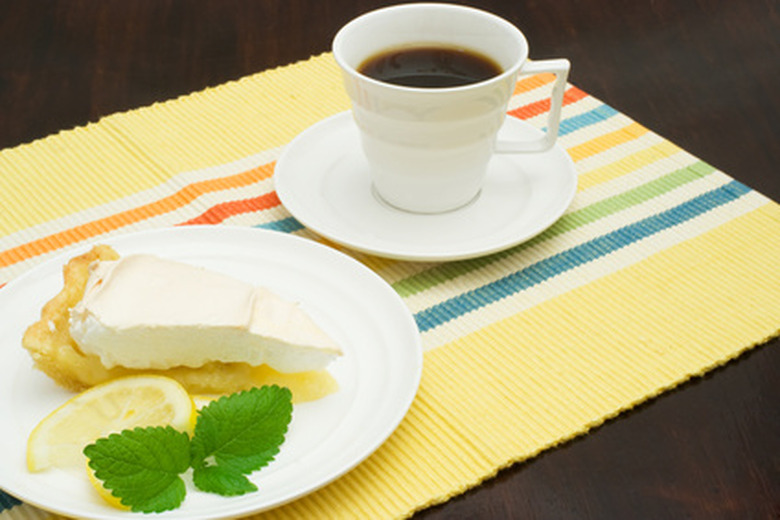
Contrary to what its name implies, lemon balm is actually a type of mint. The lemony smell of its leaves and its zesty flavor contribute to its name. Lemon balm is a reasonably hardy herb and, while not considered ornamental, is still popular in herb gardens for its pretty, serrated leaves and its many culinary and medicinal uses. Lemon balm plant care is fairly straightforward, and the plant will live for some time and remain productive if you tend it properly.
Soil and Watering
Lemon balm is drought resistant, and likes well-drained, dry soil that can be either slightly acidic or slightly alkaline. A pH of 4.5 to 7.6 is best. If your lemon balm is growing outside, then you will probably not need to water it at all. However, indoor lemon balm plants should be watered when the soil is dry to the touch, or if the leaves are starting to curl slightly around the edges.
- Contrary to what its name implies, lemon balm is actually a type of mint.
- Lemon balm plant care is fairly straightforward, and the plant will live for some time and remain productive if you tend it properly.
Light and Growth Habits
When you first plant lemon balm, it will grow best in direct sunlight. However, mature plants do well in partial shade. Lemon balm plants will grow into a bush about 2 feet in diameter if allowed to grow without picking or pruning. If you are growing lemon balm indoors from a seed, plant the seeds about 8 weeks before the last spring frost date in your area. If you are planting the seeds outdoors, then you should plant them in late fall in full sun.
Harvesting Lemon Balm
Lemon balm leaves are often used in cooking (such as to season roast chicken) and to make medicinal teas. As a result, lemon balm plants are usually pruned "as needed," in that their owners prune them as they need leaves. However, you can prune your lemon balm plant entirely 2 to 3 inches from the base of the plant and the bush will return with renewed vigor.
- When you first plant lemon balm, it will grow best in direct sunlight.
- However, you can prune your lemon balm plant entirely 2 to 3 inches from the base of the plant and the bush will return with renewed vigor.
Reproduction
If you want to propagate your lemon balm via cuttings, then you can use root or branch cuttings to do the job. If you are going to take cuttings from the plant, then do so in midsummer and bring them indoors to root. You can harvest root cuttings in the fall or early spring, but make sure that the roots have three or four buds to ensure that they will grow into new lemon balm plants.
Warning
Lemon balm is also called "bee balm" because it attracts lots of these insects. Be careful not to get stung when harvesting or pruning your lemon balm. Additionally, lemon balm causes contact dermatitis in some people, so test yourself around lemon balm before using it in food or medicinal compounds in case you are allergic.