

What Does It Mean If My Broccoli Is Flowering?
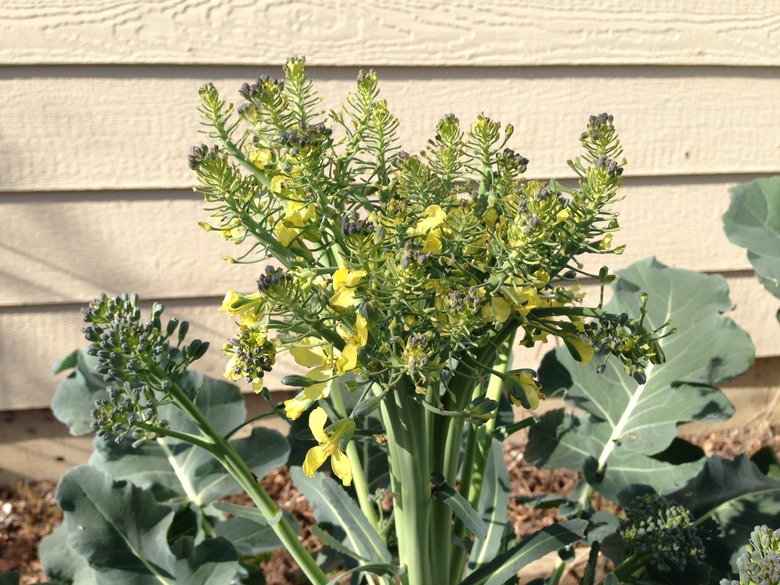
Can You Eat Broccoli Flowers?
A broccoli that flowers is a sign that the plant is preparing to create seeds to self-propagate, which is the natural scheme of things. But it also means that you have missed your chance to enjoy the plump, tasty broccoli heads.
Bloomin' broccoli! What to do now? The flowers of broccoli (Brassica oleracea [Italica Group]) are actually edible, and in some cases, taste good. They also can be bitter, however. So it's time to experiment, but perhaps also time to learn how to prevent the broccoli from flowering next year and to ensure a larger crop.
When and Why Broccoli Flowers
A healthy broccoli plant forms tight, deep-green heads after about 80 to 100 days from planting, which is when you should harvest it.
Like all plants, broccoli's internal time bomb pushes it to self-propagate after it reaches maturity, but your goal is the opposite: You want to slice off its head before it can flower and go to seed, a process called "bolting."
**A broccoli plant will flower when it's stressed or if it receives too much heat, too little moisture or experiences a severe frost.** This can happen before the mature head forms or afterward. Unfortunately, if it happens before it can form a head, you won't get a crop.
In summer, it senses that daylight hours are lengthening, which is another cue for broccoli to flower and go to seed.
Tip
You should harvest your broccoli about 80 to 100 days from planting, when the plant forms tight, deep-green heads.
Eating Broccoli Flowers and Leaves
Boltin' broccoli! But wait—you can actually eat those flowers in many cases and the leaves too. It's true that broccoli flowers may have a bitter flavor, but they often taste quite flavorful. Some gardeners report that they are mild and nutty and great raw in salads. Some upscale markets actually sell them.
To eat the leaves, most people recommend that you remove the center stem the way you would with kale, then chop them and add them to soups and stir fries.
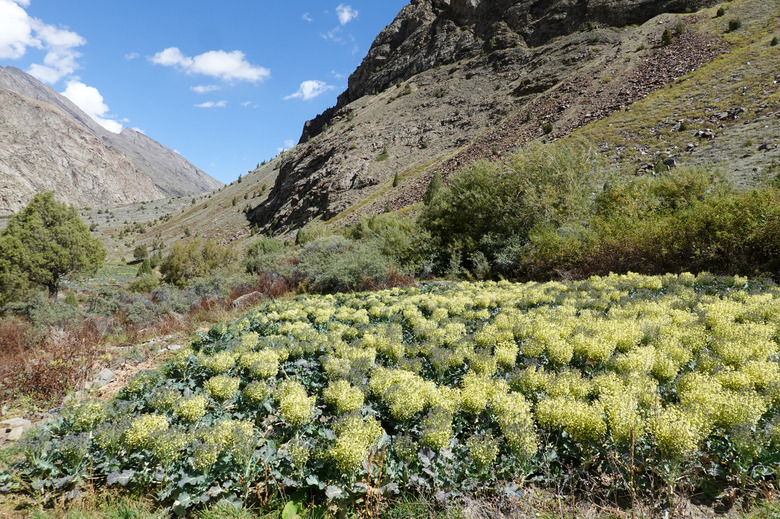 Timothy A. Gonsalves
Using Broccoli Seeds
Instead of eating the broccoli flowers, consider allowing some to go to seed. If you have an heirloom variety, the seeds will remain true to the parent—but be aware that with hybrids you have no guarantee.
Broccoli seeds take their sweet time to form. When the seedpods turn a light beige, they're ready to harvest. Cut off the plant and hang it in a well-ventilated area for a couple weeks; then remove the seeds from their pods, which are called "silques."
Save the seed and plant next year as you normally would.
Preventing Broccoli Bolting
Broccoli is a cool-season plant. Too much heat, and poof!—flowers appear. But if the plant is stressed in other ways, it will also flower. So the best way to avoid premature flowering is to provide it with the optimum environmental conditions and to harvest it when it's ready. Here are the basics:
- Plant broccoli early enough or late enough that it can mature before, or after, hot weather. In spring, this means about mid-spring; for a fall crop, start seeds in mid-summer. Temps that are consistently 75°F or above will signal to broccoli that it's time to flower and set seed.
- **Ensure regular watering.** Broccoli that has dried out will become stressed and tend to bolt.
- Mulch to keep the soil from warming too quickly.
- **Harvest at the right time.** Don't leave healthy broccoli plants for too long. You can harvest side shoots or the head and leave the plant in the ground if it's not too late in the season, then come back and harvest again.