

Plants Native To Germany That Are Also Grown In The U.S.
When people left their native countries to immigrate to the United States, many of them came carrying native plants and flowers in an attempt to bring a bit of their national pride with them.
Western New York got tulips from Holland, while pansies were brought from Sweden and daffodils from Wales. And who can forget Christopher Plummer strumming his guitar and singing "Edelweiss," an ode to the flower that originated in Germany but which is better known as Austrian.
The National Flower of Germany
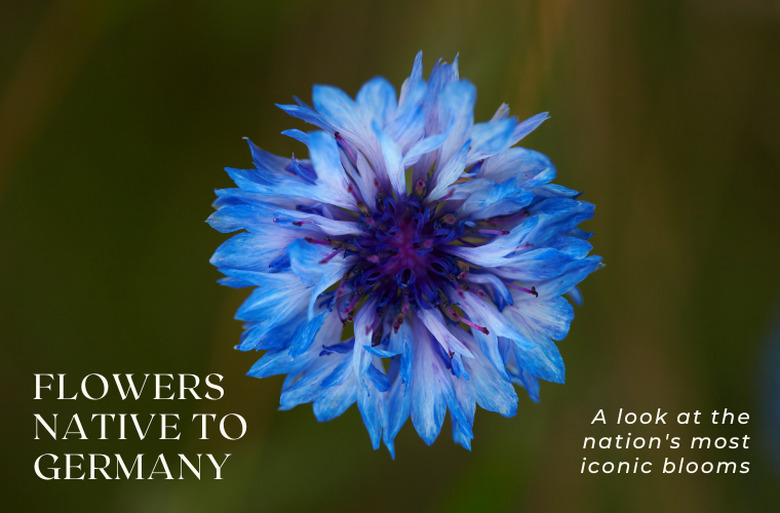
Wilhelm I of Prussia proclaimed the cornflower (Centaurea cyanus) as the German national flower. Its color has since become known as Prussian Blue after the colors of the uniforms worn by the Prussian soldiers, according to Berlitz. It was once considered a wildflower and popped up in cornfields because its seeds thrive in the same conditions as corn, hence the name.
Other German flowers native to Germany, yet found in the United States, survive in the climates of some of the states that mirror those of Germany. They include bugloss (Anchusa officinalis), considered a noxious weed in Oregon and Washington; the gypsy flower (Cynoglossum officinale); and forget-me-nots (Myosotis sylvatica), writes Garden Guides.
Recognizing German Flowers
Let's take a look at some of the most iconic German flowers.
 Spisah
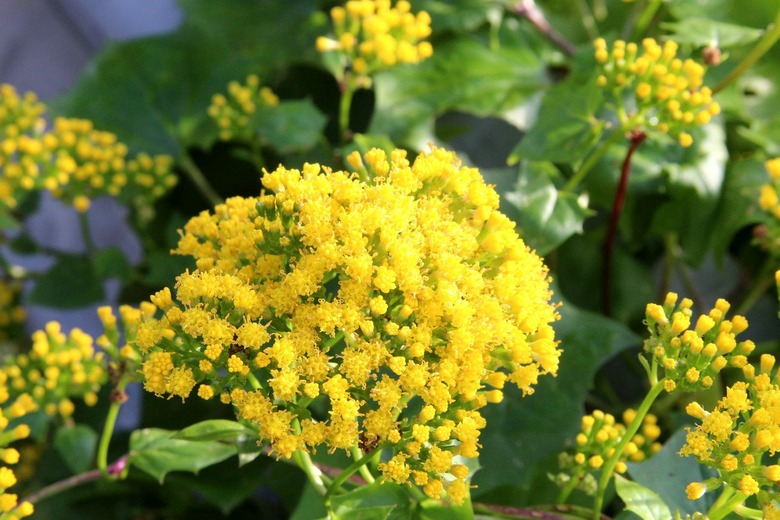
German Ivy
German ivy (Senecio mikanioides) is actually native to South Africa but was transported to Germany after its discovery.
It has been grown in American gardens but gained an unfavorable reputation. The vines form dense veils over other vegetation, according to Cal Ipc, and can suffocate plants and fish if bordering a pond.
 Agnieszka Kwiecień
European Spindle
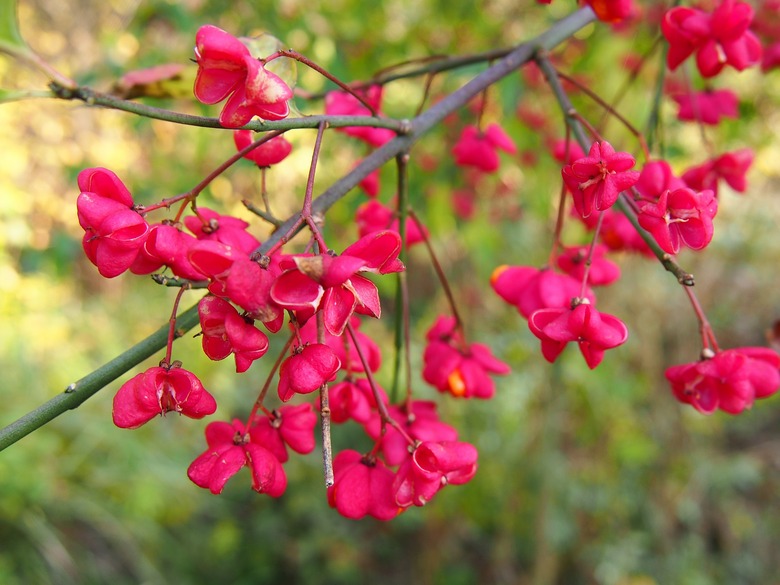
The European spindle (Euonymus europaeus) is another German native that is now considered invasive in the U.S. It lives at the edges of forests and on gentle slopes.
In their haste to forage for the spindle's seeds, birds drop many, spreading the plant across a territory to the point that it can become invasive.
 Krzysztof Golik
German Chamomile
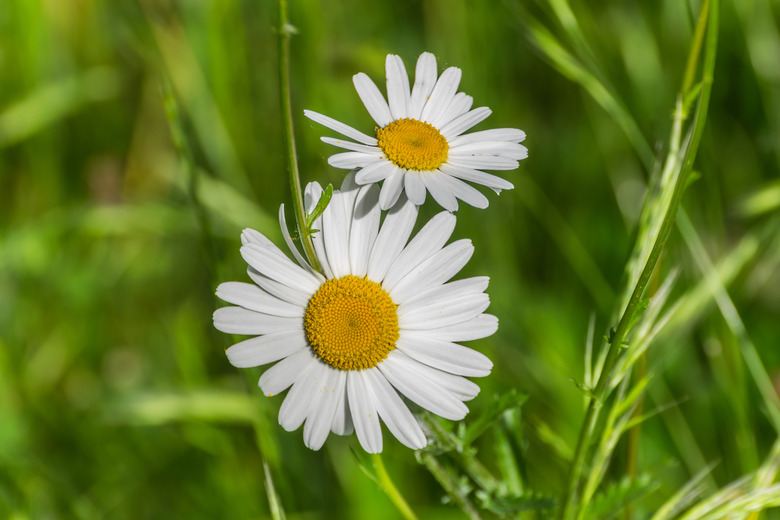
On a more positive note, the German chamomile (Matricaria chamomilla) is responsible for lulling many of us to sleep at night and curing muscle spasms.
Daisy-like in appearance, the flower is less than an inch wide and easily self-seeds, according to Mount Sinai's Health Library.
 Roman Eisele
Love-in-a-Mist
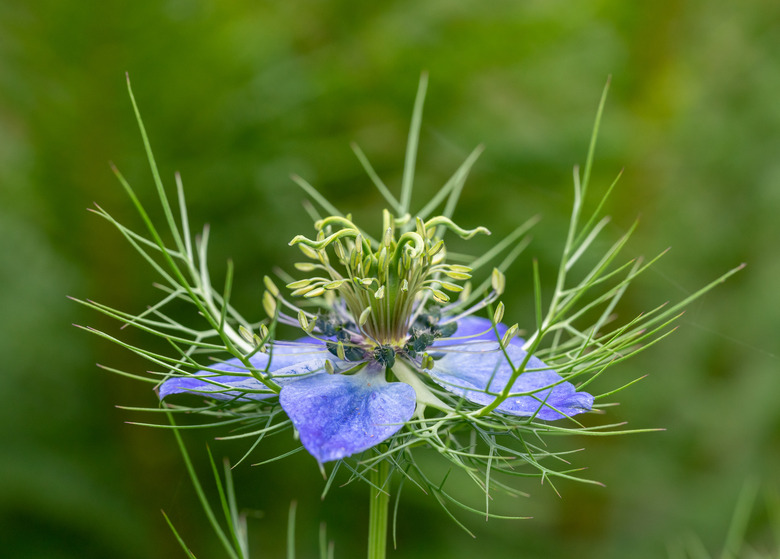
Lilies, roses and carnations are common in German gardens, and all three traveled across the ocean to inhabit American gardens. Germany's varied climate supports a large wildflower population. The well-known German flower love-in-a-mist (Nigella _damascena)_, which produces black seeds often used in cooking, is found in the cooler climates of Wisconsin.
 David J. Stang
Baby's Breath
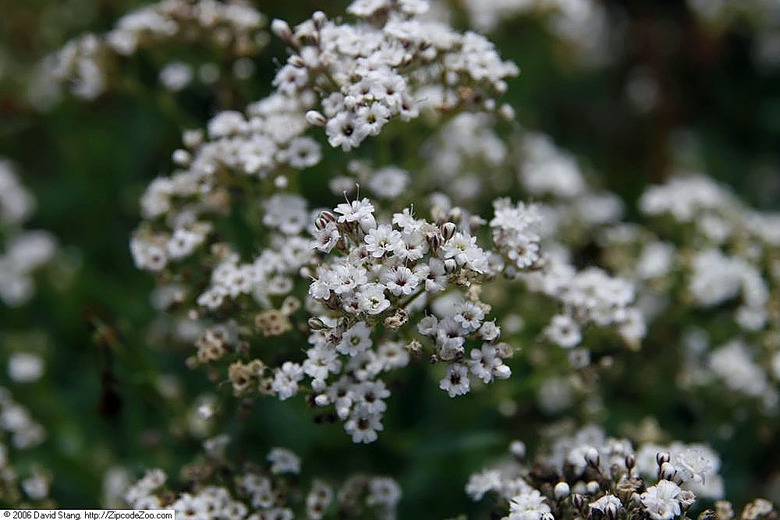
And, of course, there's the "bridesmaid" of all flowers, baby's breath (Gypsophila spp.). While toxic to animals and people, baby's breath is of German origin and grows abundantly in the German landscape.
 Mummelgrummel
Mainau: An Island of Flowers
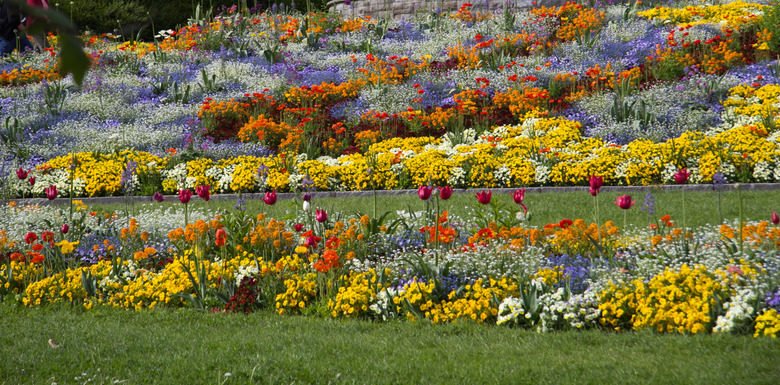
Located in southwestern Germany, Mainau, also known as the "Flower Island," is in Lake Constance. Its 111 acres boasts trees that are 150 years old, including a gnarled banyan tree, mighty oaks and noble cedars, according to Germany Travel.
Lush gardens surround a baroque palace, and the Palm House features 1,200 orchids and the largest butterfly house in Europe. Its colorful presentation of hundreds of species of flowers impresses its million+ yearly visitors.