

Vegetable Planting Times In Mississippi
As a southern state, Mississippi has a ten-month growing season, which means gardeners are able to start planting earlier than their northern counterparts. The state is divided into two hardiness zones, which are based on the minimum average winter temperature: zone 7, which ranges from zero to 10 degrees and zone 8, which ranges from 10 to 20 degrees, allowing gardeners to take maximum advantage of the weather.
Winter
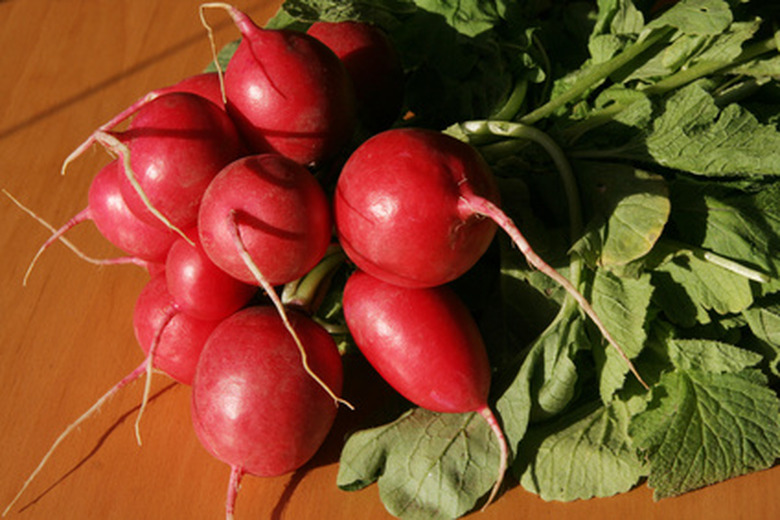
University of Mississippi Extension recommends planting sweet peas in prepared beds in January . February is the time to start cool weather vegetables, including broccoli, onion, collards, cauliflower, beets and radishes, in seed frames for later transplant to the garden. Asparagus can be planted outside in February. In March, start the seeds for tomatoes and eggplant in seed boxes and plant sweet peas outside.
Spring
In April, start okra, peppers and squash in seed trays, recommends the Brooklyn Botanical Garden Gardener's Desk Reference. In May, transplant any vegetables in seed trays to the garden, including eggplant, tomatoes, beans and cucumbers. Plant watermelons and cantaloupe directly in the garden. In June, plant tomatoes for harvest in the fall and snap beans.
- As a southern state, Mississippi has a ten-month growing season, which means gardeners are able to start planting earlier than their northern counterparts.
- In April, start okra, peppers and squash in seed trays, recommends the Brooklyn Botanical Garden Gardener's Desk Reference.
Summer and Fall
In July, plant pumpkins and fall vegetables like parsley. In August, plant the second harvest of cool season vegetables such as broccoli, cabbage and spinach. Plant cool season root vegetables like carrots in September, allowing two to three months from germination to maturity, according to America's Garden Book.
December is the time to plant citrus, fruit and nut trees.
References
- Mississippi State University Extension: Garden Calendar
- "Brooklyn Botanical Garden's Gardener's Desk Reference;" Janet Marinelli, ed.; 1998
- "America's Garden Book;" Louise and James Bush-Brown; 1996